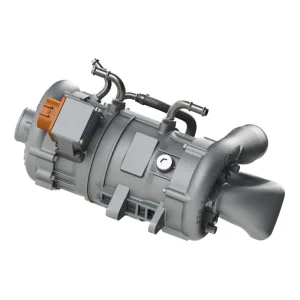
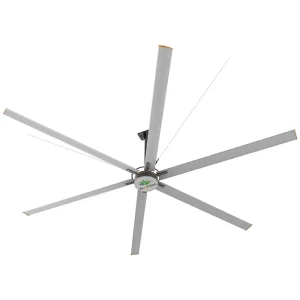
Engineered to mitigate humidity and reduce energy consumption across maritime logistics hubs and manufacturing spaces.
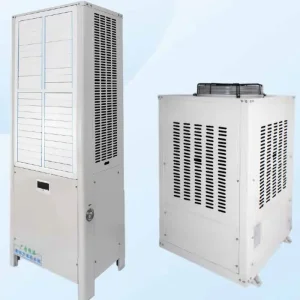
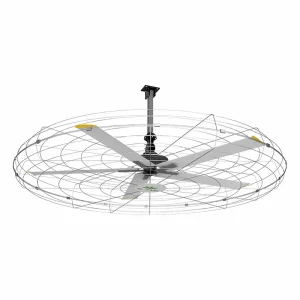
Lisbon, located in the Iberian Peninsula along the Tagus estuary, experiences a Mediterranean climate strongly influenced by Atlantic oceanic currents. This geographical positioning produces hot, dry summers paired with high relative humidity levels, creating unique challenges for industrial air conditioning. Traditional cooling solutions often experience elevated energy draws when attempting to manage latent heat loads in massive warehouses, logistics hubs, and industrial parks in areas like Alverca, Azambuja, and the Setúbal peninsula.
With the European Green Deal and Portugal’s National Energy and Climate Plan (PNEC 2030) mandating strict carbon reductions, businesses in Lisbon are facing a dual challenge: maintaining optimal indoor temperatures and air change rates while minimizing electricity costs. A standard evaporative system or a traditional compression chiller operating alone often fails to balance these requirements. Modern engineering demands a hybridized approach, combining low-energy direct expansion (DX) technology with High Volume Low Speed (HVLS) fans to generate an evaporative cooling effect through high air displacement.
By using Suzhou Liangzhi’s state-of-the-art permanent magnet synchronous motor (PMSM) direct-drive technology, operators can reduce cooling energy footprints by up to 30%. This combined layout leverages air velocity to lower the perceived temperature on the factory floor, allowing the setpoint of traditional industrial air conditioners to be raised without reducing worker comfort.
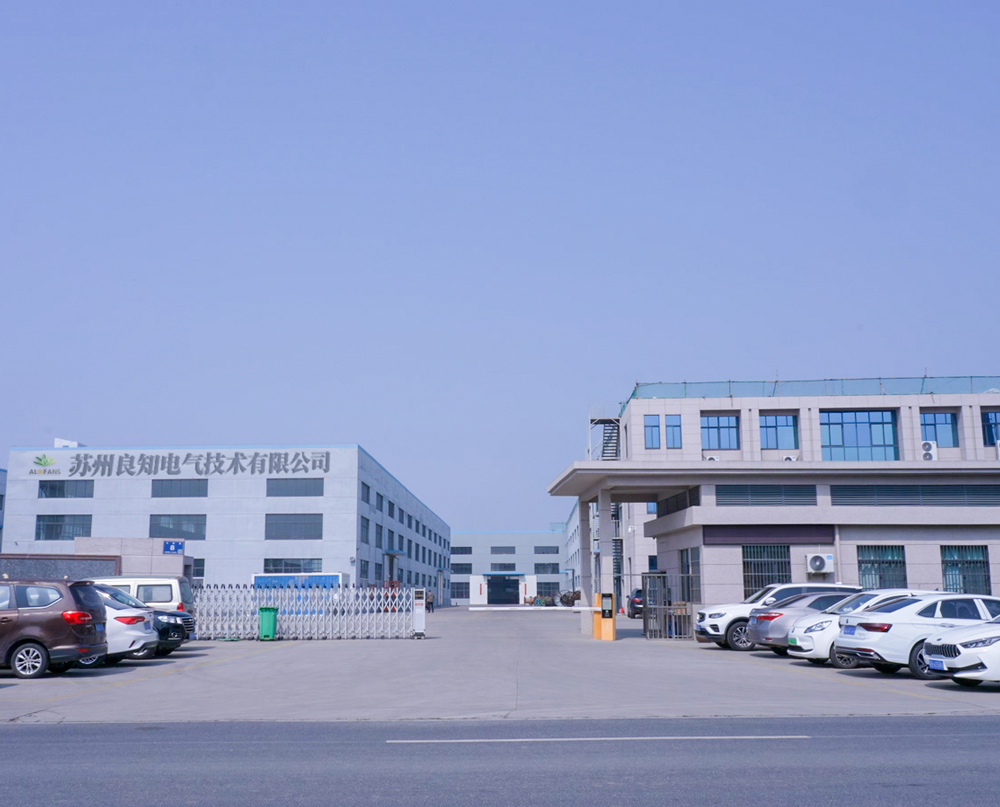
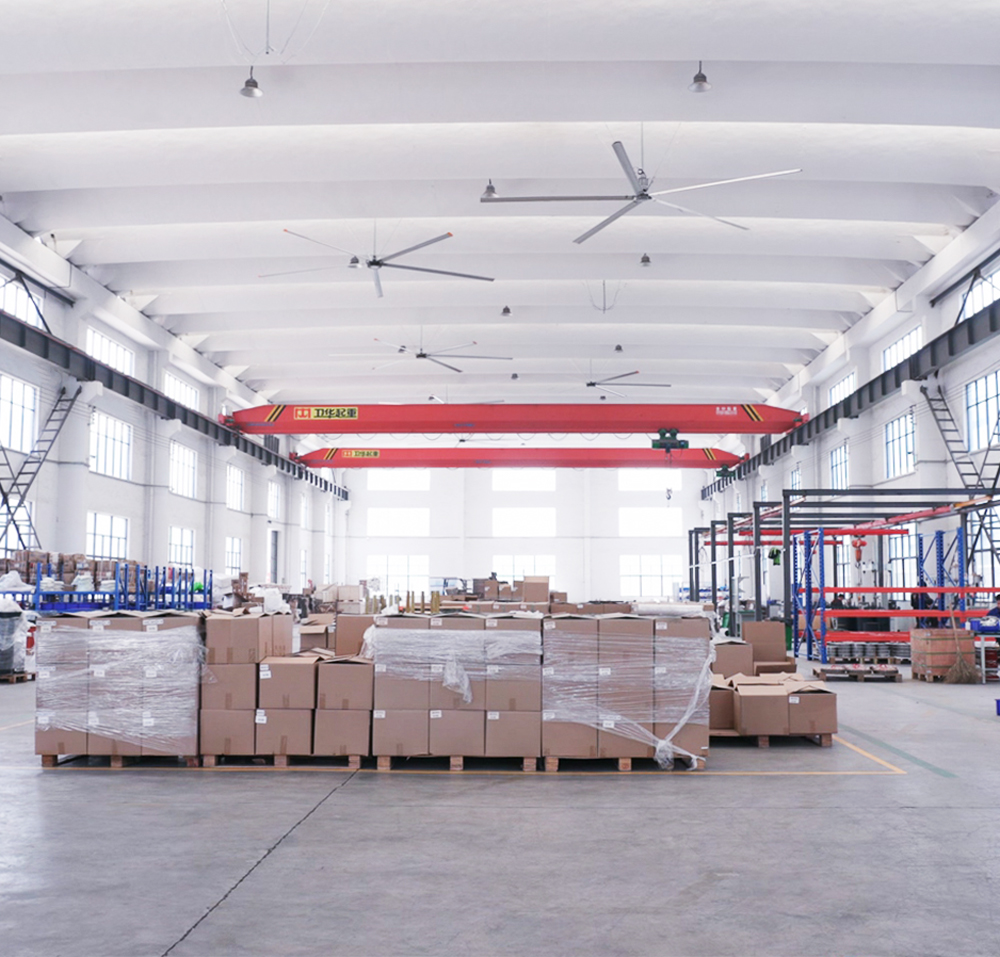
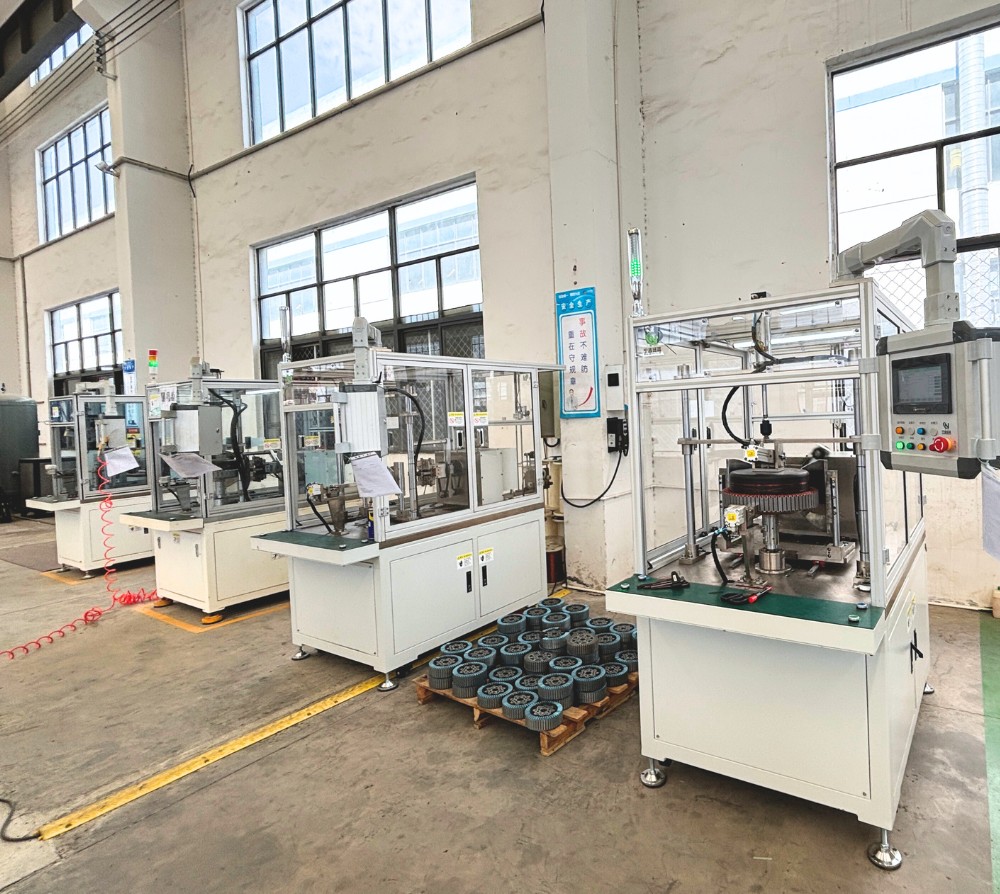
Established in March 2018, Suzhou Liangzhi Electrical Technology Co., Ltd. has developed into an industry-focused manufacturer of Permanent Magnet Synchronous Motors (PMSM) and High Volume, Low Speed (HVLS) fans. Over more than six years of technical development, our dedicated design and manufacturing teams have introduced multiple generations of energy-efficient direct-drive motor technology.
Operating under the premium brand Aloe Fans, we develop systems that address high and open environments, including warehouses, distribution hubs, heavy manufacturing bays, and livestock stables. We maintain control over the entire production cycle, from raw electromagnetic material selection to precision CNC motor casing engineering, fluid dynamic blade pressing, and variable frequency drive programming.
The industrial sector is transitioning toward decarbonization, digitalization, and mechanical integration.

Transitioning away from carbon-intensive heating and cooling systems via direct-drive electric powertrains paired with local smart grid systems.

Using macro-ventilation to homogenize indoor air, eliminating hot air layers and thermal stratification, which reduces AC loads in large facilities.

Replacing geared motors with permanent magnet synchronous motors to reduce friction loss, mechanical wear, oil leakage risks, and operational noise.

Utilizing vector control systems to adjust motor speeds based on real-time ambient temperature, air density, and occupancy profiles.
How we design and deploy systems for specific industrial and commercial requirements across Portugal.
High-bay warehouses in Alverca require continuous, gentle air movement to prevent condensation on stored inventory. Our HVLS ceiling fans stabilize humidity levels to help protect packaging integrity.
Automotive assembly and metal processing plants generate substantial process heat. Combining industrial wall fans with centralized direct-expansion AC units improves cooling efficiency on the production floor.
Historic dining rooms and modern fitness centers require quiet, effective cooling. Our direct-drive PMSM ceiling fans operate quietly while helping to maintain comfortable indoor conditions.
Dairy farms and livestock barns face ambient summer heat challenges. High-flow wall fans help mitigate animal heat stress, supporting livestock comfort and yield stability.
Our ongoing development focus for permanent magnet motors and smart industrial cooling equipment.
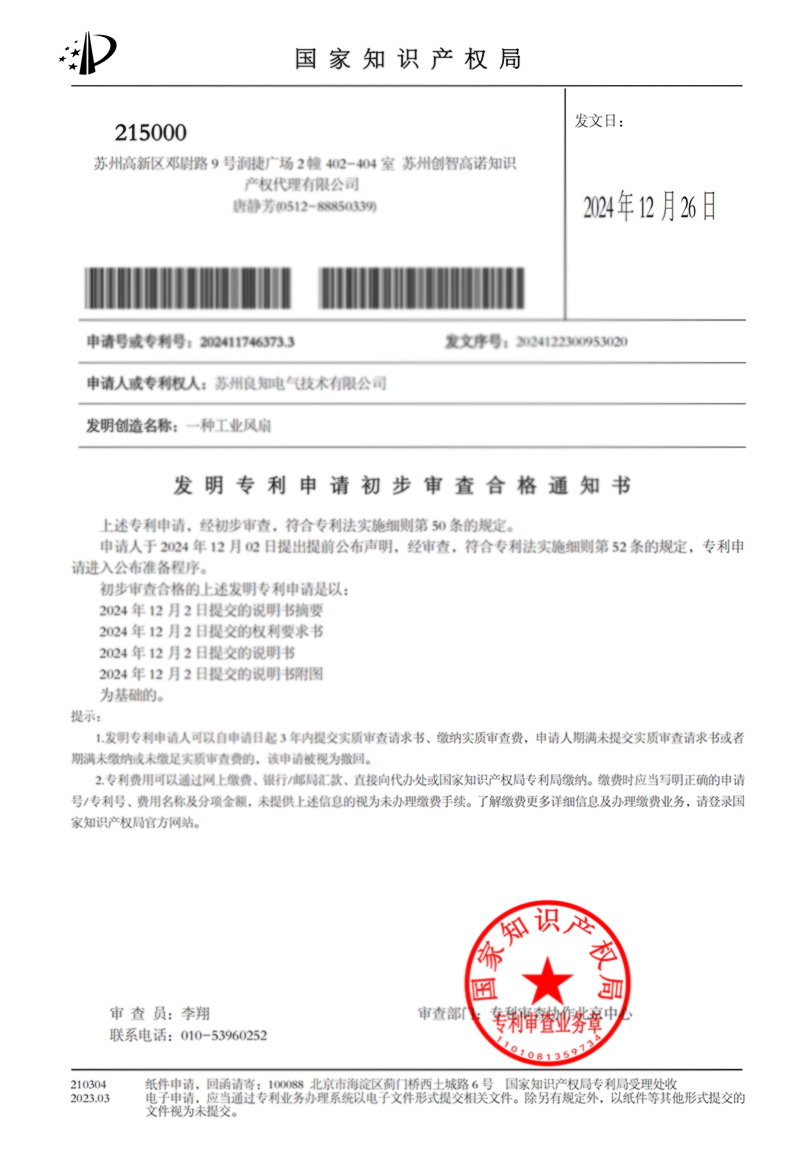
Developing high-torque-density PMSM motors with low electromagnetic noise profiles and reduced thermal output.
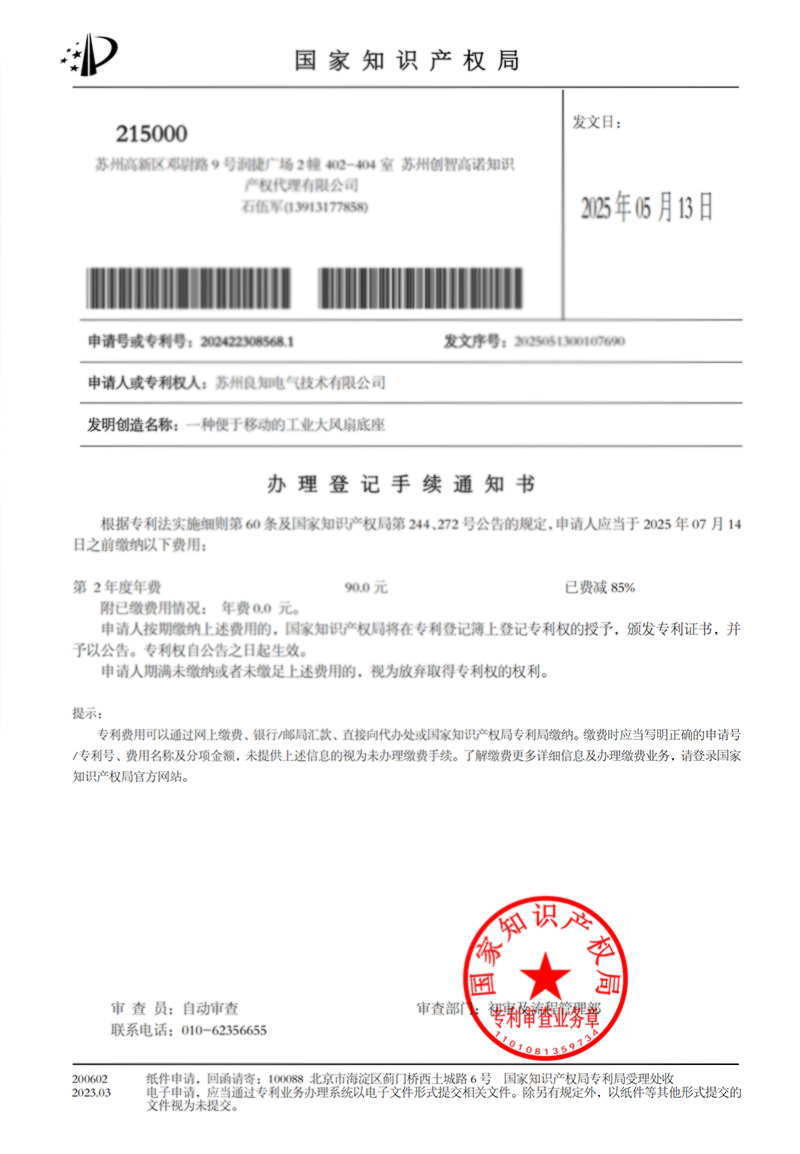
Designing bionic fan blades to maximize air displacement per watt, reducing aerodynamic drag and energy demand.
Integrating MODBUS and IoT sensors into VFD control setups to support building automation and remote diagnostics.
Co-developing low-GWP industrial evaporative air conditioning units to integrate with high-volume ceiling fan arrays.
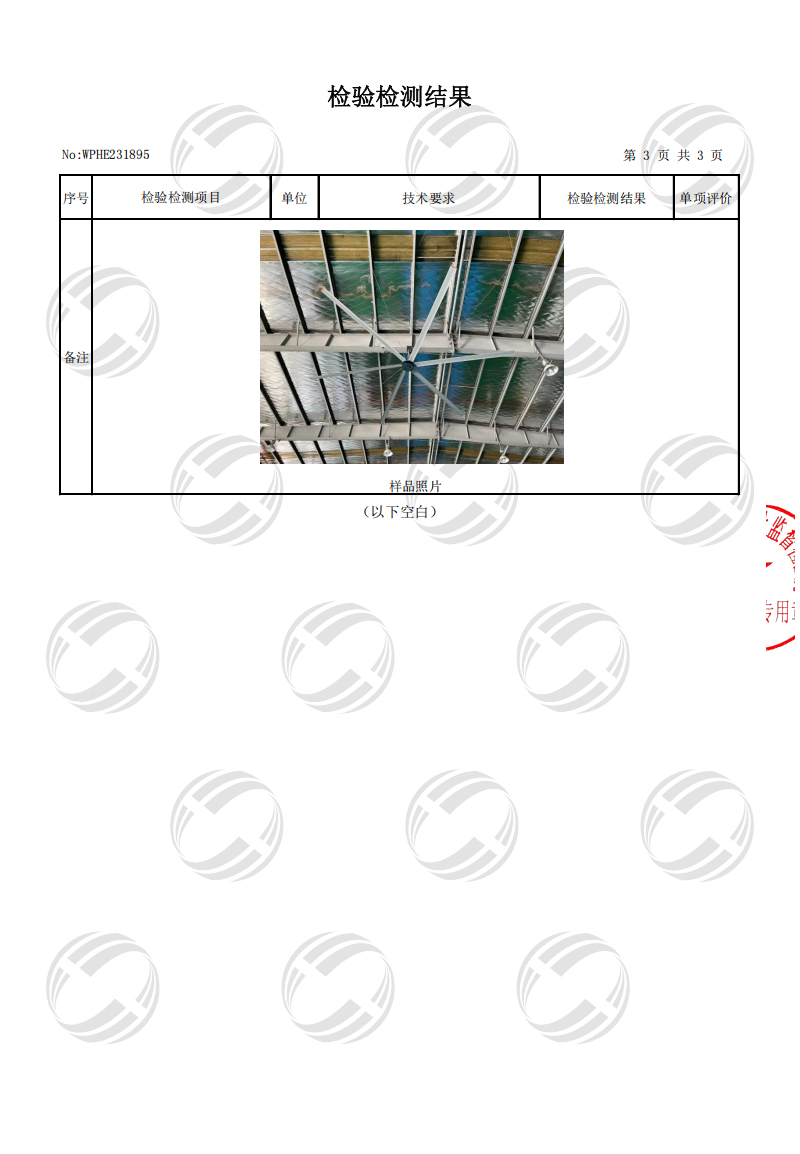
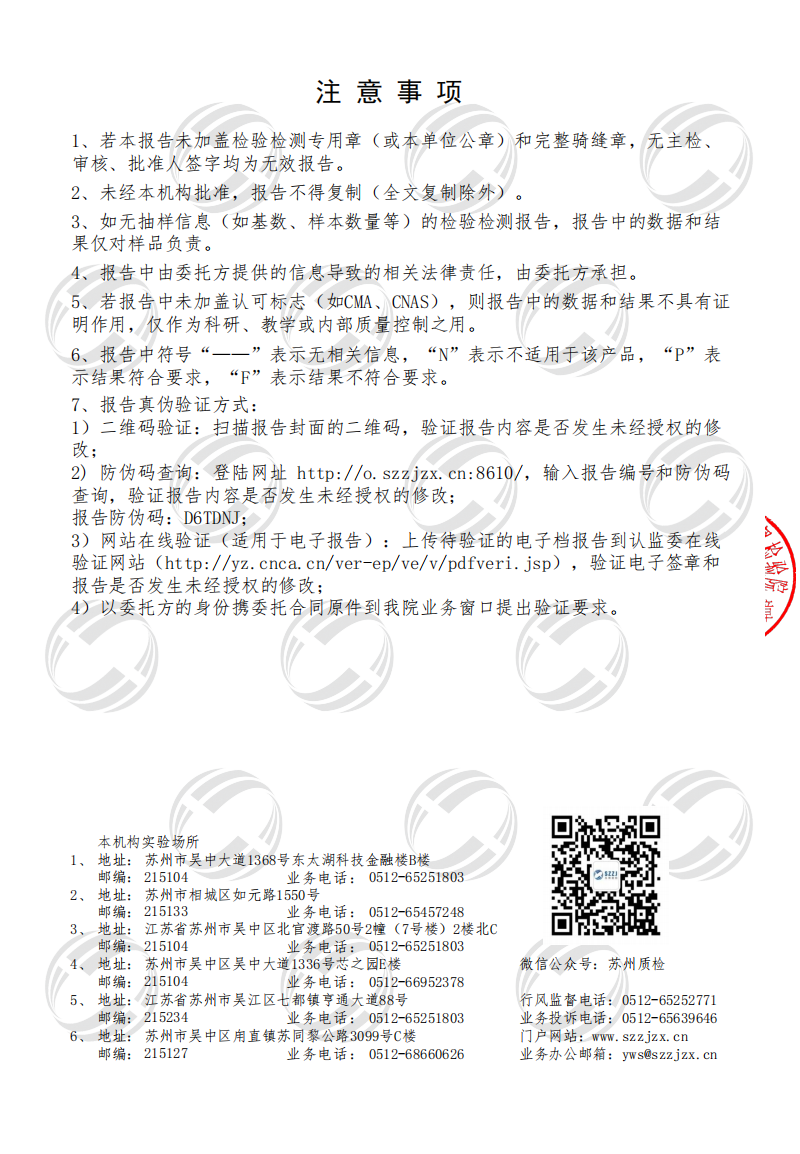
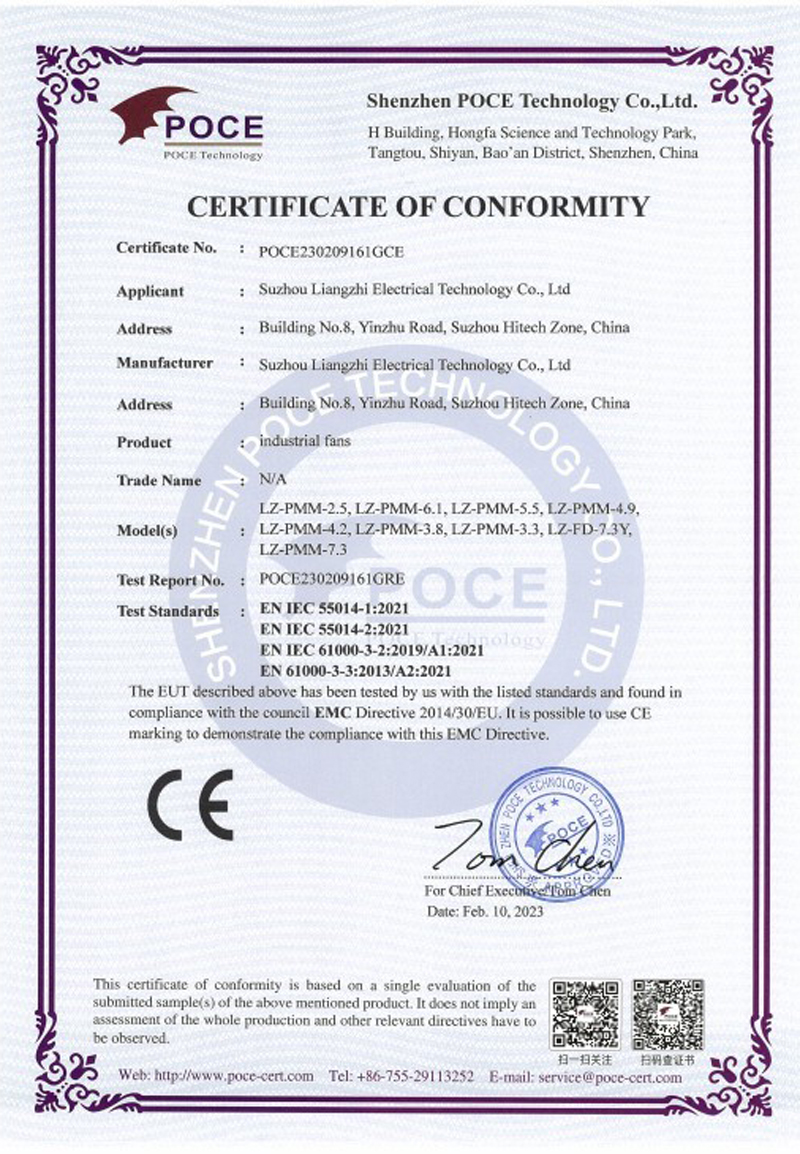
Our manufacturing and testing protocols comply with ISO9001, CE, EMC, and LVD certifications.
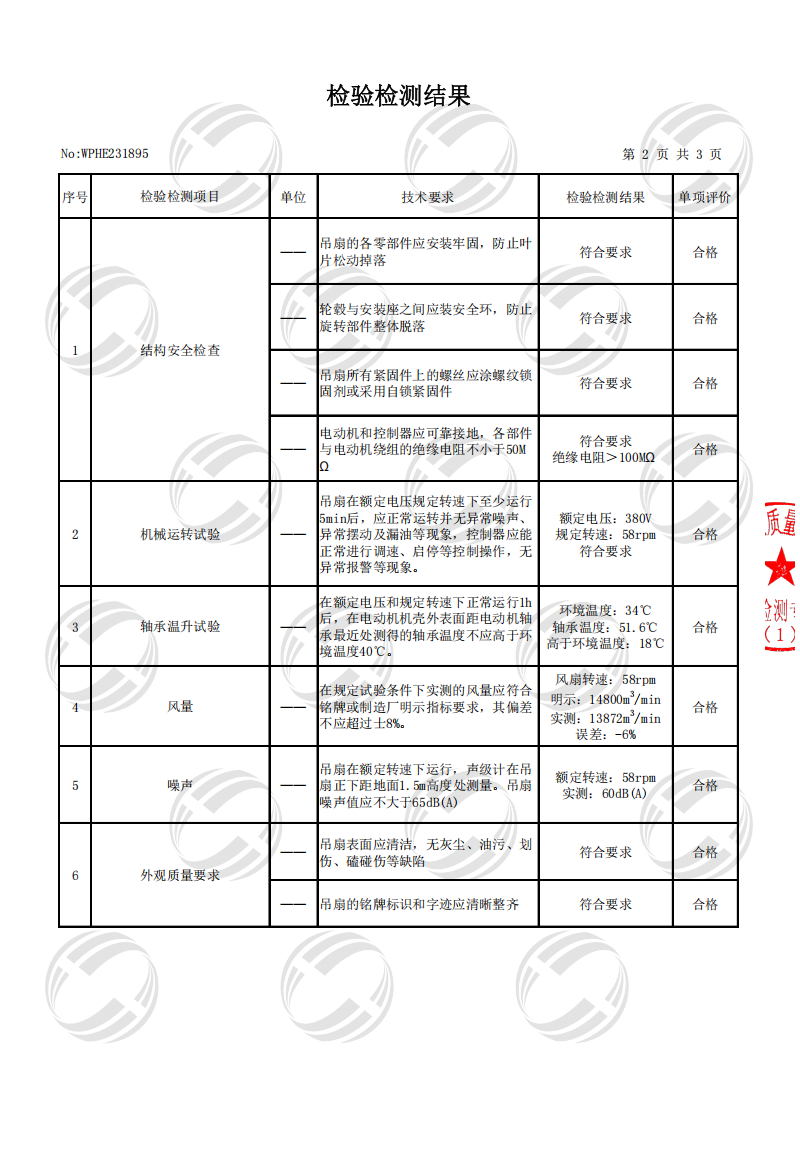
We work closely with local engineering partners, HVAC mechanical contractors, and industrial distributors throughout Portugal to ensure reliable installation and performance.
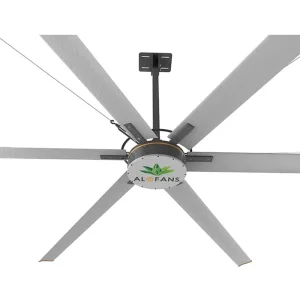
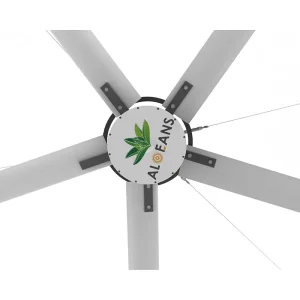
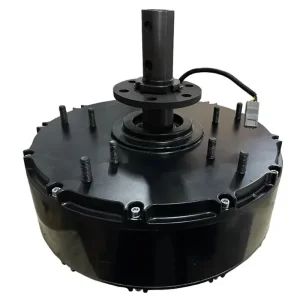
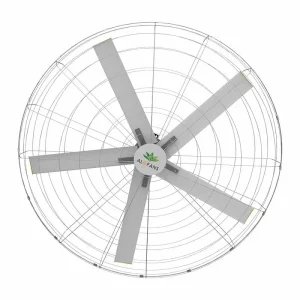
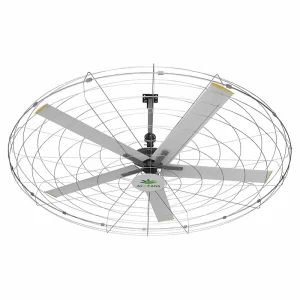
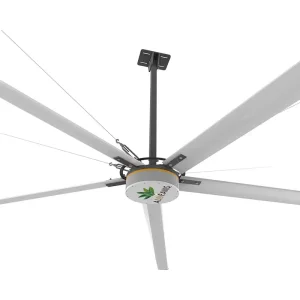
Our complete catalog of PMSM-driven fans and motors designed for light commercial, heavy industrial, and fitness applications.
Technical guidance on motor technologies, design calculations, and environmental considerations for Portugal's climates.
Using high-volume, low-speed fans alongside industrial air conditioning addresses air stratification. Large buildings naturally develop hot air pockets near the roof. HVLS fans mix these thermal layers, distributing conditioned air more evenly at the working level. The wind-chill effect also allows operators to raise AC temperature settings by 2 to 3°C while maintaining the same thermal comfort, helping to control peak electricity costs.
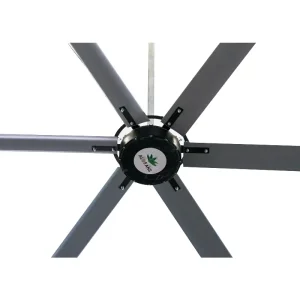
Traditional AC induction motors rely on reduction gears, which introduce mechanical losses, wear points, and noise. In contrast, our permanent magnet synchronous motor (PMSM) systems drive the fan blades directly. This eliminates gearbox wear, reduces overall motor noise, and maintains higher energy efficiency under variable operating speeds.
Coastal humidity can cause surface condensation, leading to potential structural corrosion or package damage. Our fan blades are treated for corrosion resistance, and our direct-drive motors are sealed against dust and moisture. Continuous air circulation helps dry surfaces and stabilize relative humidity levels across warehouse spaces.
Our controllers support standard communication protocols such as MODBUS. This allows the fans to interface with building management systems (BMS), enabling centralized control, scheduling, and automatic speed adjustments based on readings from local temperature and humidity sensors.
We provide detailed CAD files, wiring schematics, and performance metrics to simplify the system design process. We can also generate computer fluid dynamic (CFD) models of specific spaces to help project managers verify air velocity coverage and optimize installation coordinates before ordering equipment.
Connect with our technical design team to request product specifications, custom layout design support, or a commercial quote tailored to your Lisbon facility.
 Liangzhi Electrical