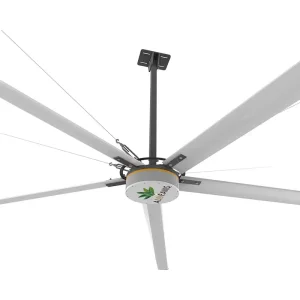
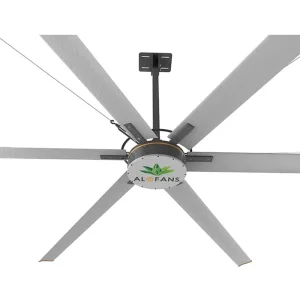
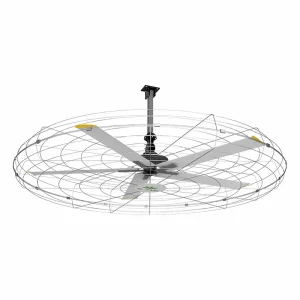
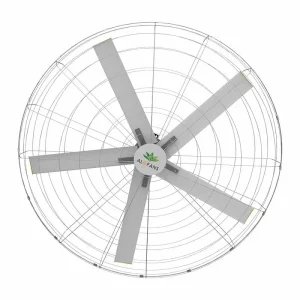
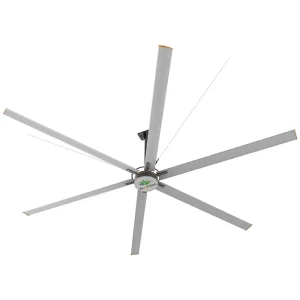
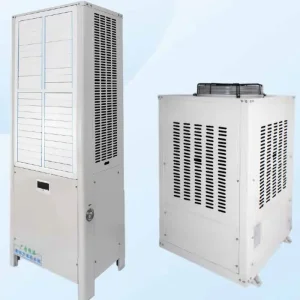
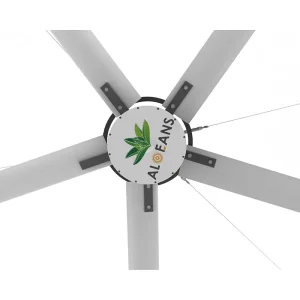
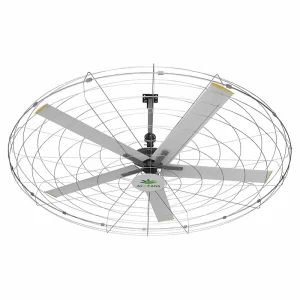
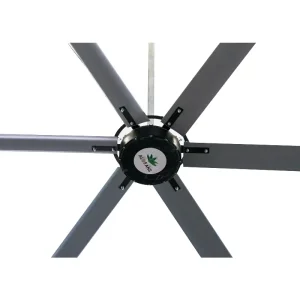
In the realm of OEM manufacturing, "changing direction" isn't just a manual task; it's a fundamental aspect of thermal destratification. For industrial HVLS (High Volume Low Speed) fans, the direction of rotation determines whether you are providing a cooling breeze or recirculating trapped heat from the ceiling.
Are you looking for a quick fix or an integrated B2B solution? Our research shows that facility managers search for "how to change direction" primarily to optimize energy efficiency during seasonal transitions. We provide the technical roadmap to automate this via PMSM motor controllers.
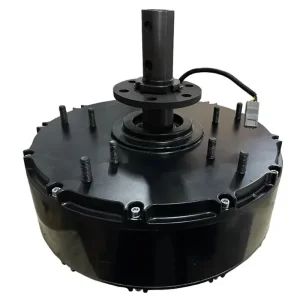
Unlike basic guides, we delve into the PMSM (Permanent Magnet Synchronous Motor) logic. Changing direction at the OEM level involves phase-switching within the Variable Frequency Drive (VFD), allowing for seamless transitions without mechanical wear.
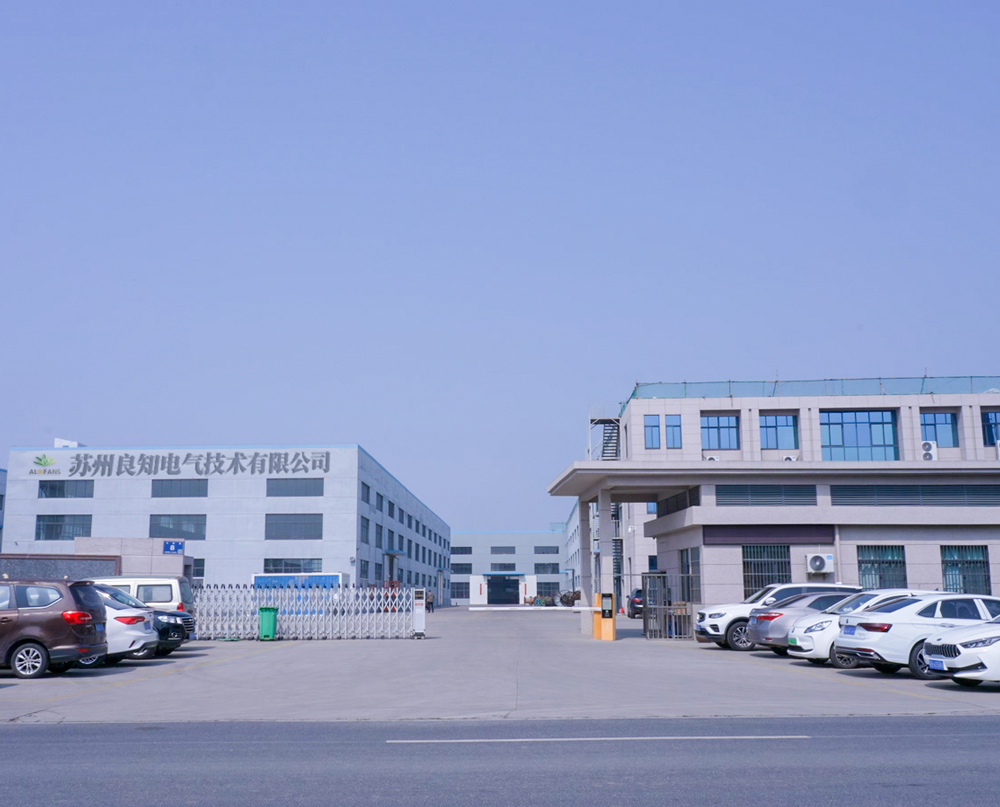
Suzhou Liangzhi Electrical Technology Co., Ltd. was established in March 2018.
We specialized in the production of PMSM motors and HVLS fans. Our independently developed permanent magnet motors and controllers have accumulated over 6 years of industry experience. Continuously upgrading and improving, the core technology is now leading the HVLS fan industry.
Summer Mode (Counter-Clockwise): Creates a downdraft, producing a wind-chill effect.
Winter Mode (Clockwise): Creates an updraft, pushing warm air trapped at the ceiling back down to the floor.
Most OEM industrial fans utilize a digital control panel. To change direction, navigate to the "Rotation" settings on the VFD (Variable Frequency Drive) or flip the toggle switch on the remote control unit.
Always wait for the fan to come to a complete stop before reversing direction. Suzhou Liangzhi's PMSM controllers feature a "soft-stop" and "soft-start" sequence to protect the motor's electromagnetic alignment.

Suzhou Liangzhi is a high-tech enterprise dedicated to the R&D and manufacturing of permanent magnet synchronous motors. We possess technical mastery in motor structure, fluid dynamics, and electromagnetic thermal management.
In temperate climates, the winter reversal mode is critical. By pushing warm air down, facilities can reduce heating costs by up to 30%. Compliance with UL/CE standards is mandatory for these markets.
Focus remains on downdraft cooling. However, direction control is used during maintenance or to clear dust from blades. Moisture-resistant (IP55+) PMSM motors are the localized preference here.
China's supply chain resilience allows companies like Suzhou Liangzhi to offer high-efficiency PMSM motors at a fraction of the cost of traditional induction motors, with rapid prototyping for OEM partners.
Integration of temperature and humidity sensors that automatically trigger a change in fan direction based on ambient conditions, eliminating human error.
Cloud-based management systems where facility managers can change the direction of 100+ fans across multiple sites through a single mobile application.
AI algorithms that adjust blade pitch and rotation direction in real-time to optimize airflow patterns based on the specific occupancy and machinery heat-load of a factory floor.
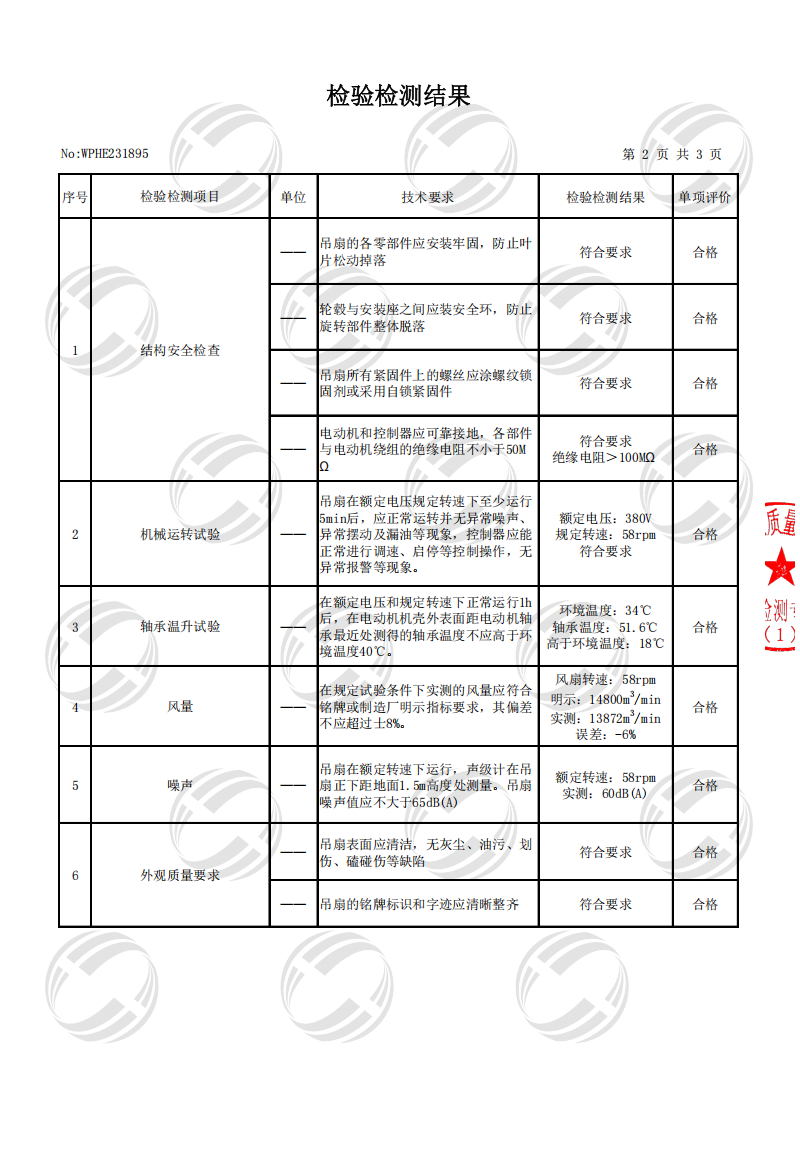
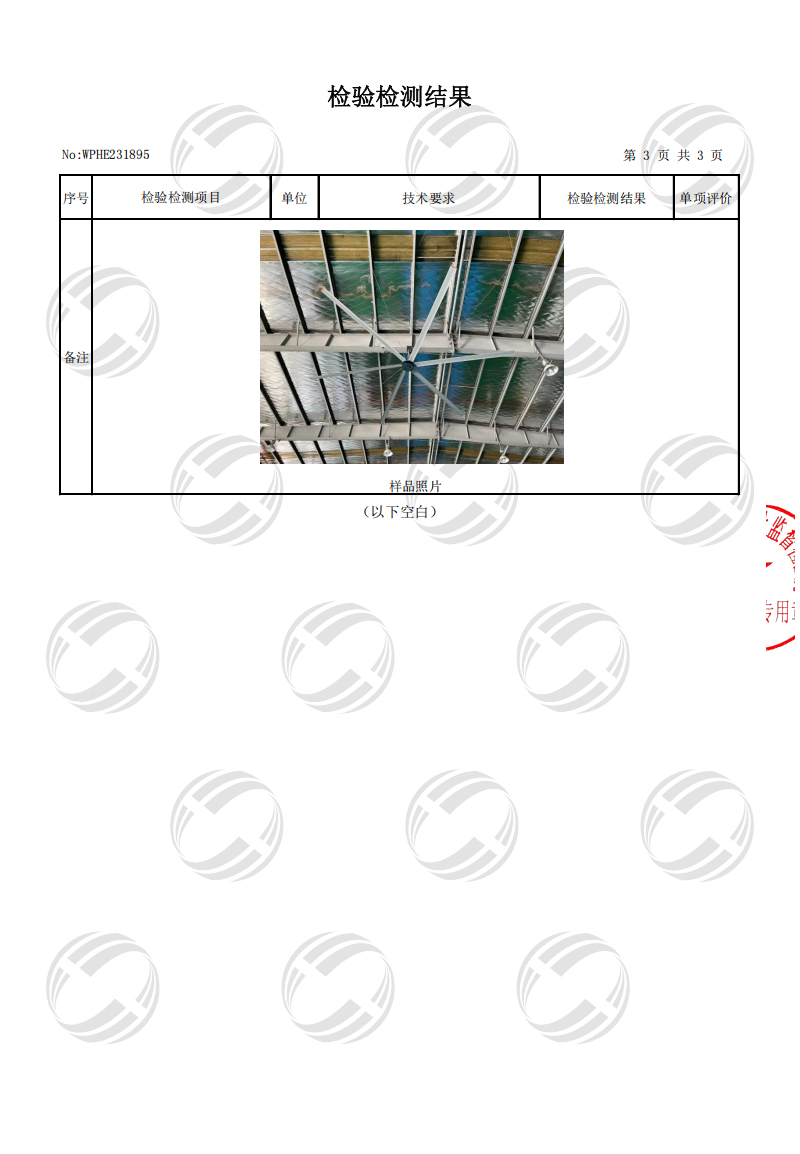
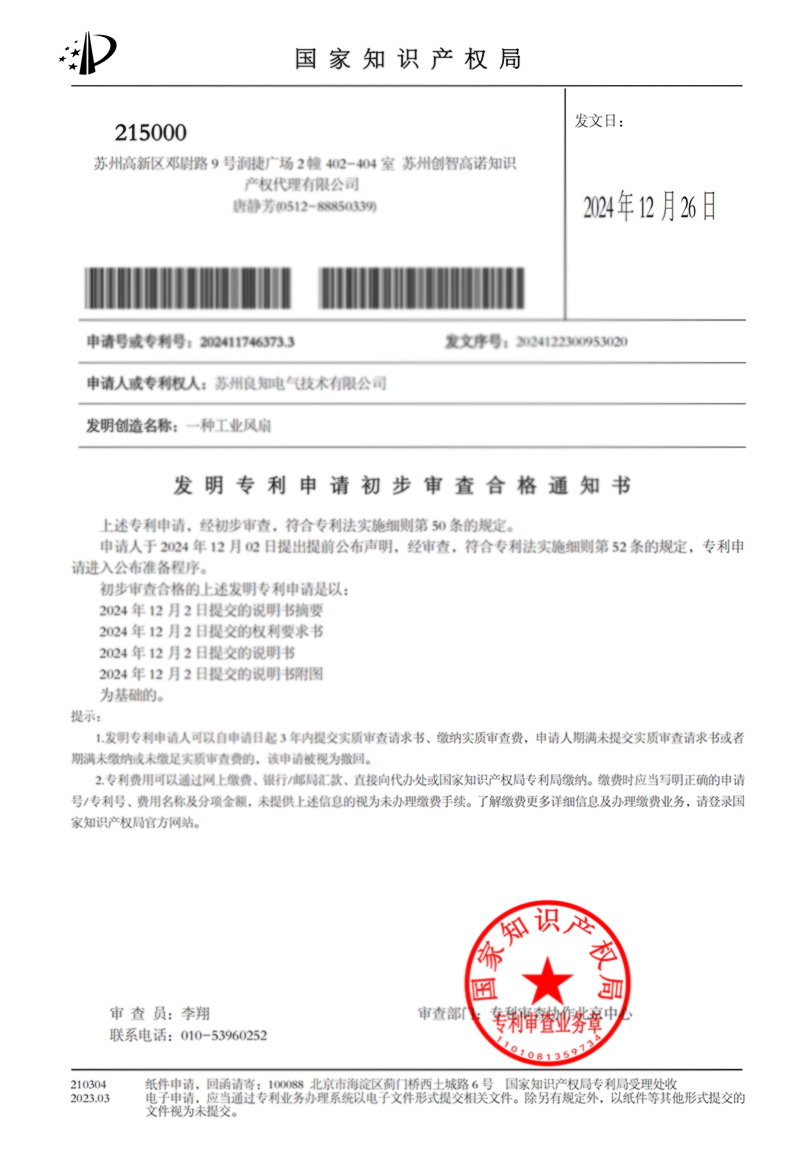
Certified with ISO9001, CE, EMC, and more to ensure global reliability.

Online video tour of factory production line.

Full air cooling and ventilation solutions provided.

OEM & ODM Bespoke Manufacturing.

24-hour online installation guidance.

Three years' warranty with free accessories.
By switching to winter mode (clockwise), you can recover heat trapped at the ceiling, reducing thermostat reliance and lowering energy bills by 20-30% in high-ceiling warehouses.
It is not recommended. While modern PMSM controllers have protective logic, switching direction mid-spin can cause electromagnetic stress. Always stop the fan first.
For industrial HVLS fans, the direction is usually controlled via the VFD interface. If your fan lacks this, it may be an older induction model that requires manual phase rewiring by a technician.
 Liangzhi Electrical