Advanced HVLS cooling solutions engineered for maximum air volume and minimum energy consumption.
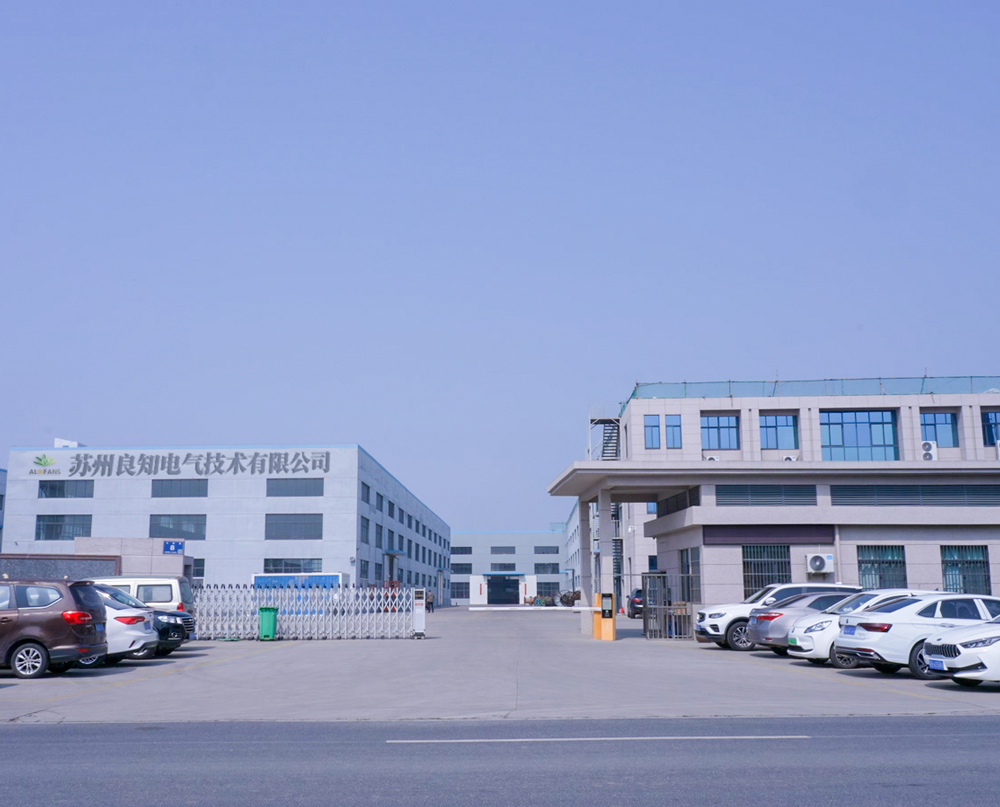
Suzhou Liangzhi Electrical Technology Co., Ltd.
Established in March 2018, we have pioneered the integration of PMSM motors into the HVLS fan industry.
Our independently developed permanent magnet motors and controllers have accumulated over 6 years of industry experience. Continuously upgrading and improving, the core technology is now leading the HVLS fan industry. Our company vision is to provide reliable and affordable HVLS fans for every large space.
Founded
Industry Experience
Core Technology
Certified Factory
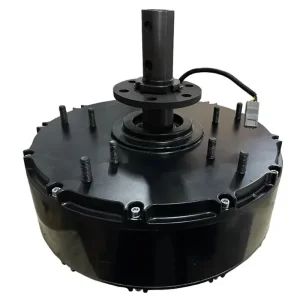
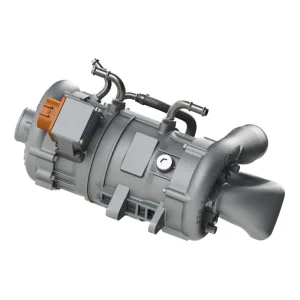
Suzhou Liangzhi is a high-tech enterprise dedicated to the R&D and manufacturing of permanent magnet synchronous motors and high-speed motors. We master motor structure, fluid dynamics, thermal dissipation, and electromagnetic technologies.
As the global center for industrial manufacturing, China's HVLS fan factories offer more than just cost-efficiency. The concentration of the supply chain in regions like Suzhou allows for rapid iterative innovation. By integrating the local electronics ecosystem with traditional motor manufacturing, companies like Suzhou Liangzhi can produce PMSM motors that achieve 90%+ energy efficiency—a feat that traditional gear-driven fans cannot match.
Unlike traditional induction motors, our Permanent Magnet Synchronous Motors eliminate the need for gearboxes, reducing noise by 20dB and eliminating oil leak risks, making them ideal for food and pharma sectors.
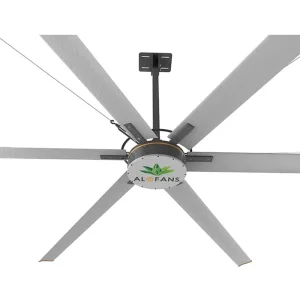
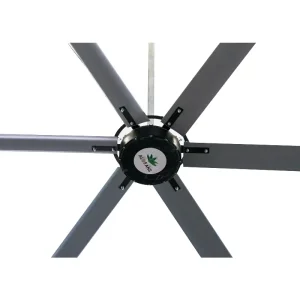
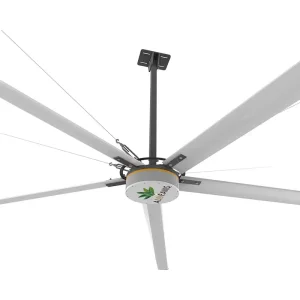
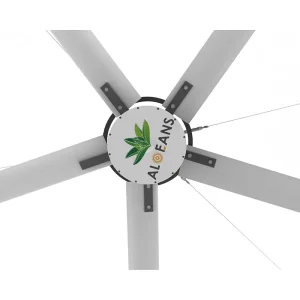
Our Aloe Fans brand utilizes aviation-grade aluminum alloys with unique winglet designs to minimize turbulence and maximize "horizontal floor jet" air distribution.
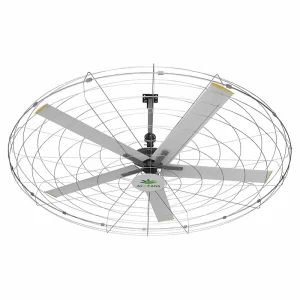
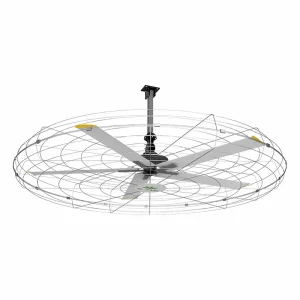
We implement structural safety measures including anti-fall steel cables, motor-axis locking mechanisms, and automatic vibration sensors to ensure 100% operation safety in public spaces.
The HVLS industry is shifting from "simple ventilation" to "intelligent air management." Semantic search data shows a growing intent for ESG-compliant cooling solutions. Future trends include:
High Volume Low Speed fans are no longer limited to warehouses. Our global clients are applying these systems in diverse scenarios:
Preventing "Sweating Slab Syndrome" by balancing air temperatures, protecting both personnel and sensitive cardboard packaging from moisture.
Airports and train stations use our fans to provide a "natural breeze" feeling, improving passenger comfort while significantly lowering HVAC bills.
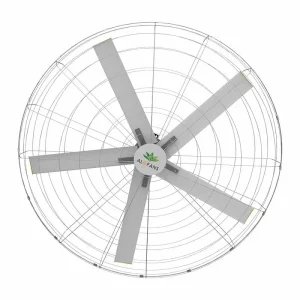
Specific livestock wall fans reduce heat stress in dairy cows, directly correlating to increased milk production and animal welfare.
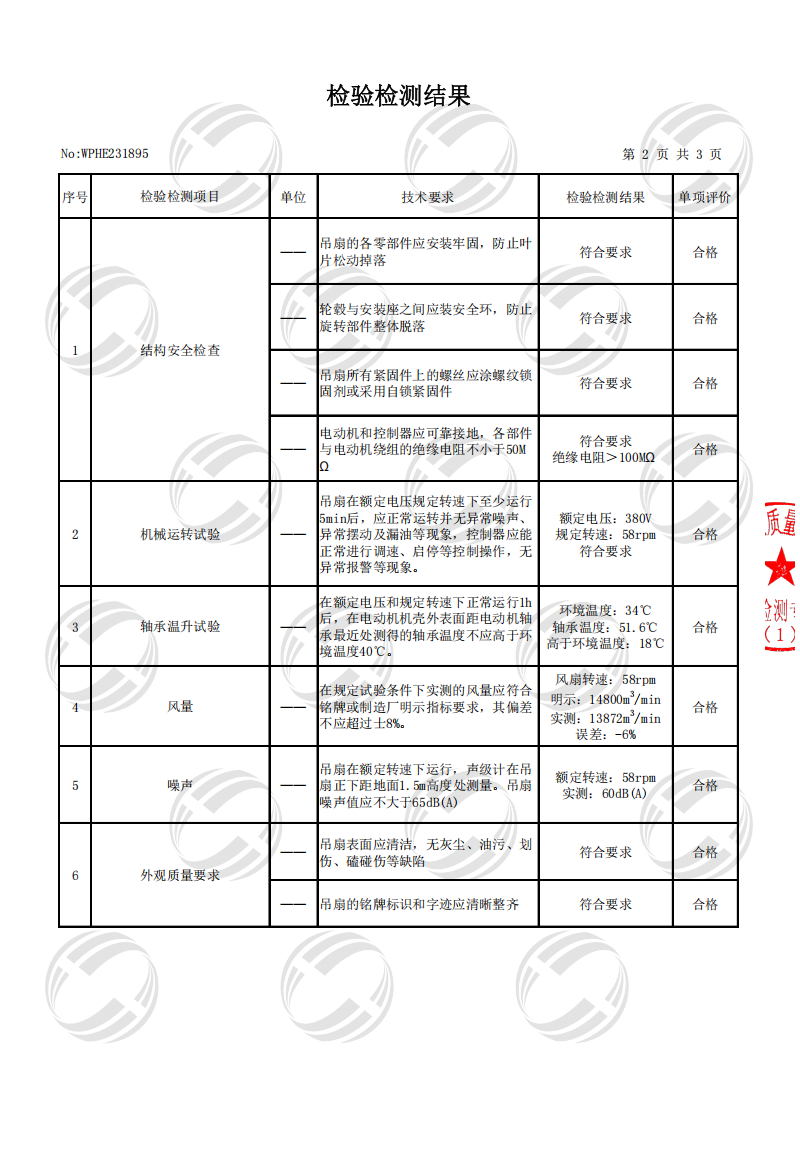
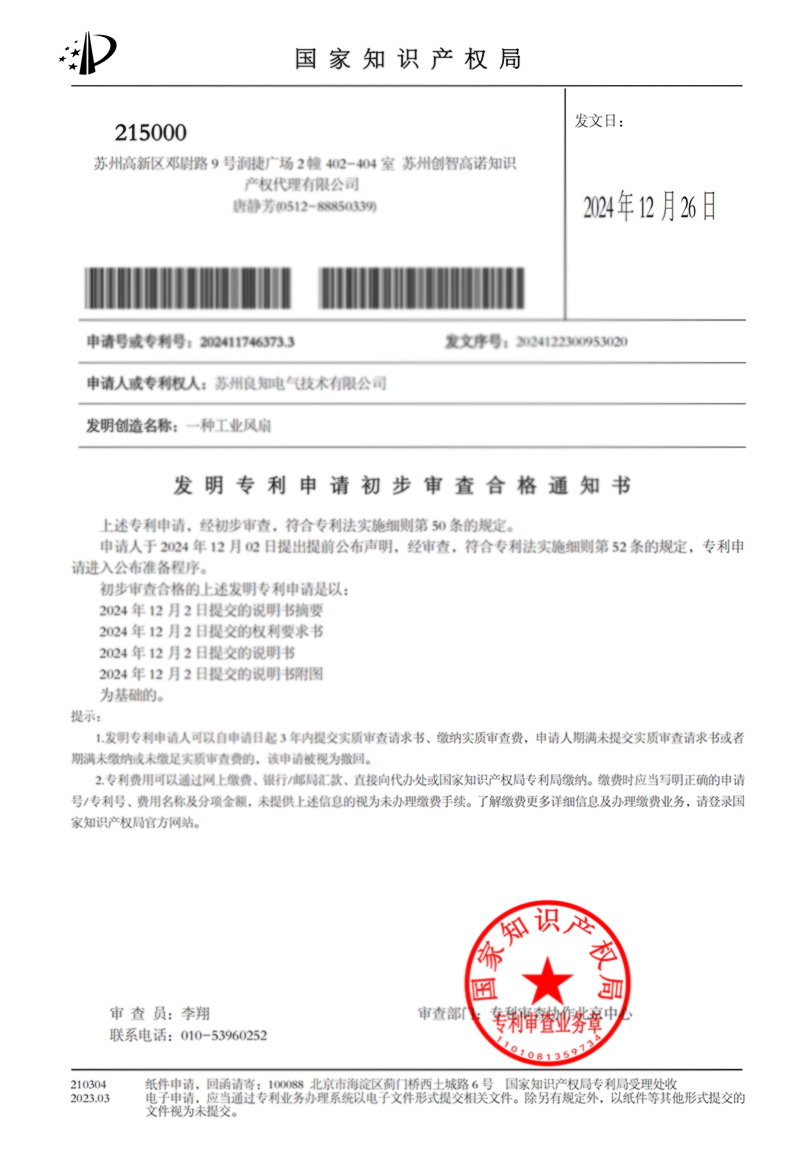
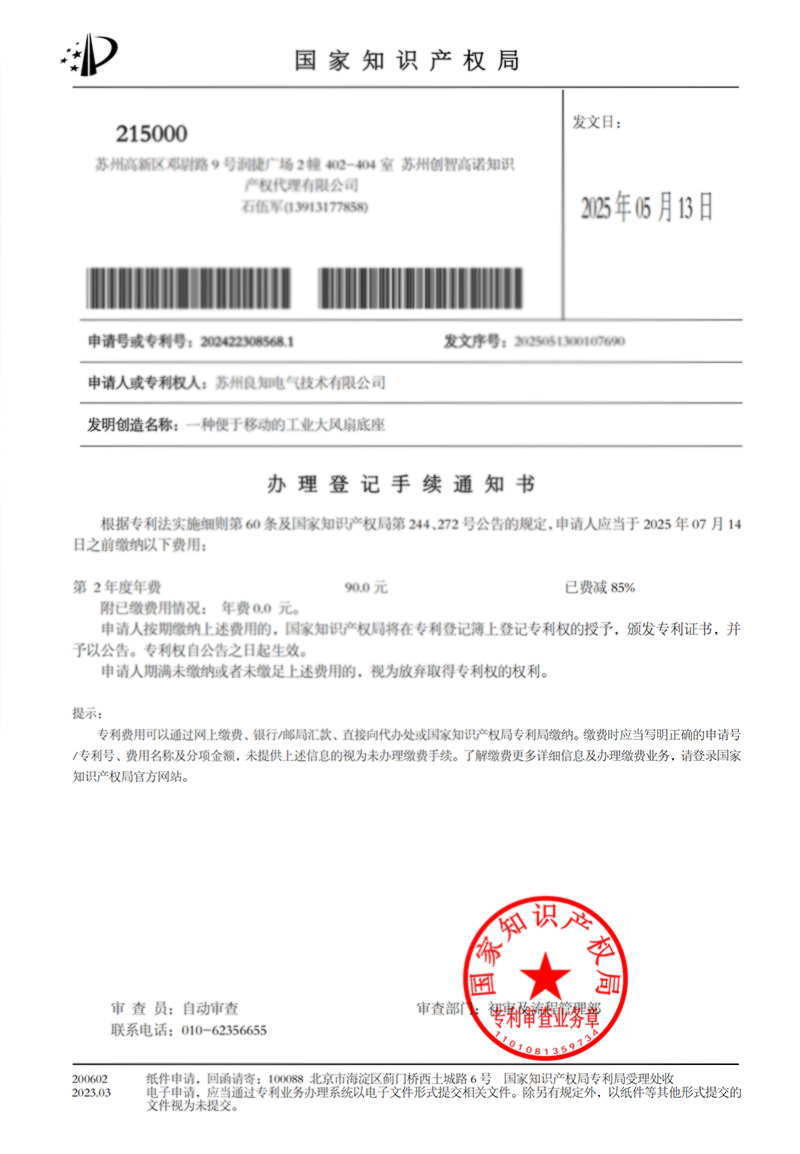
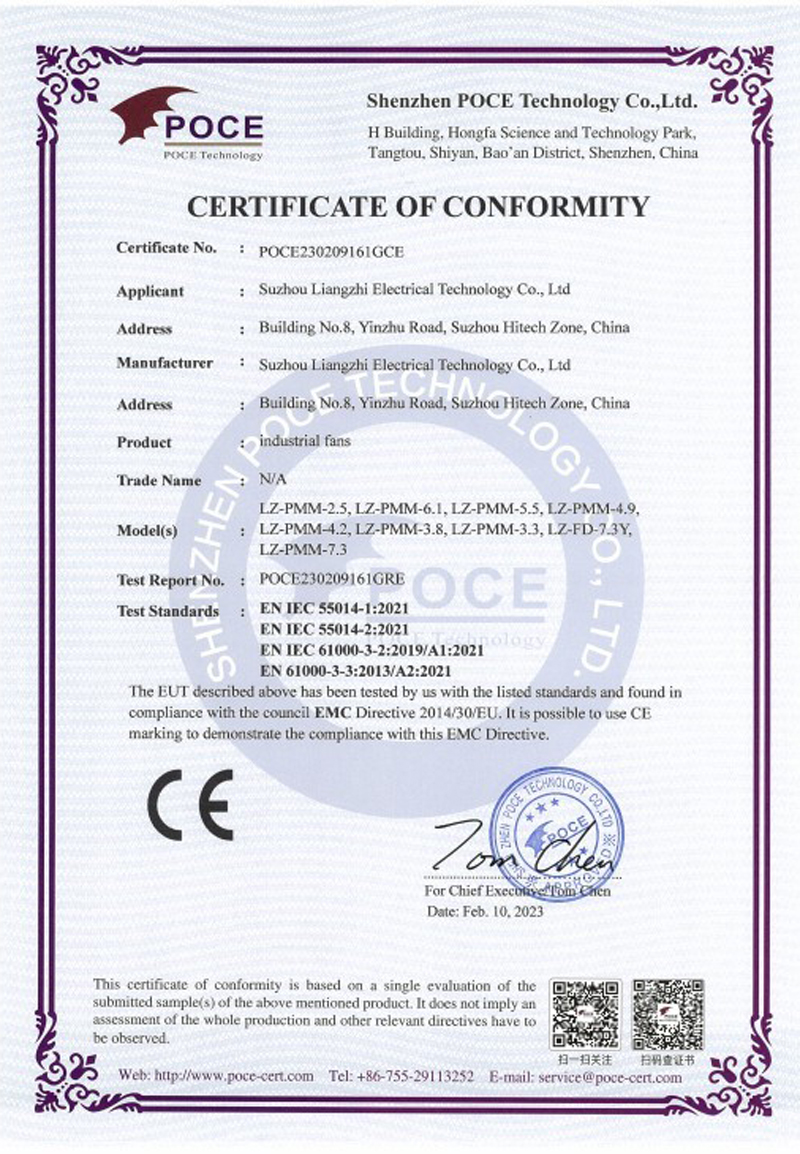
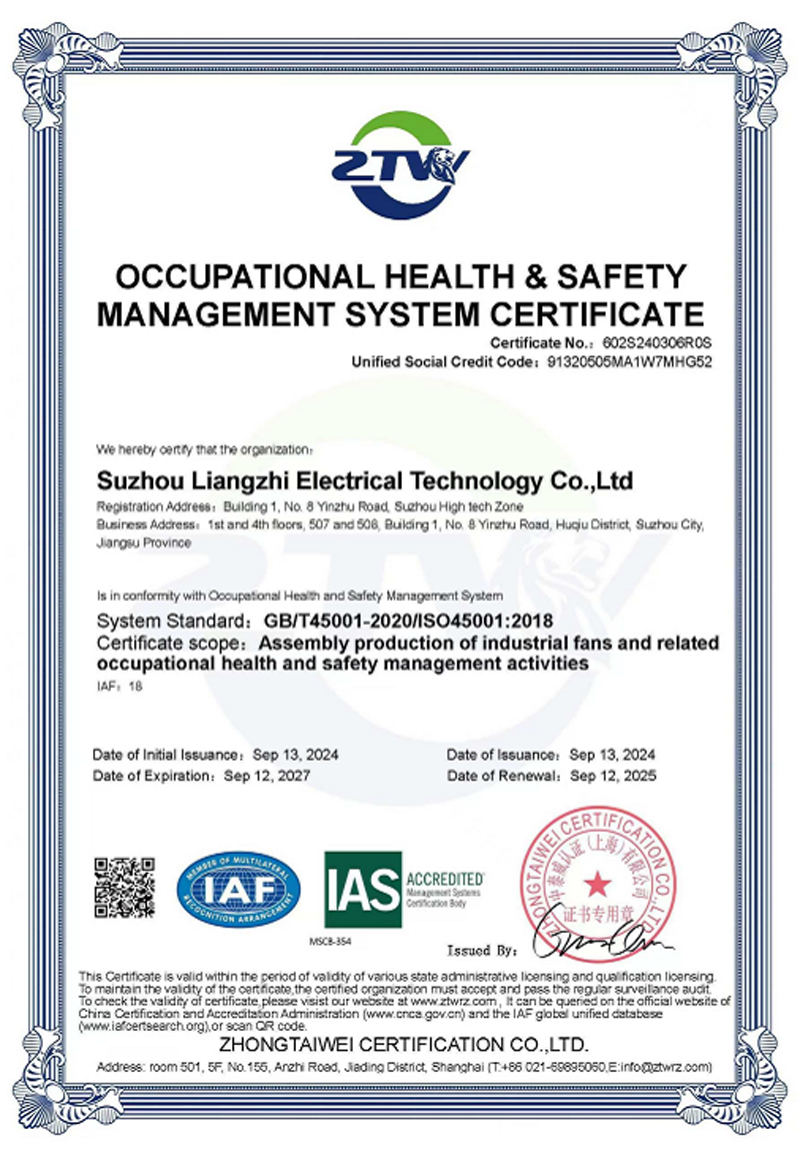
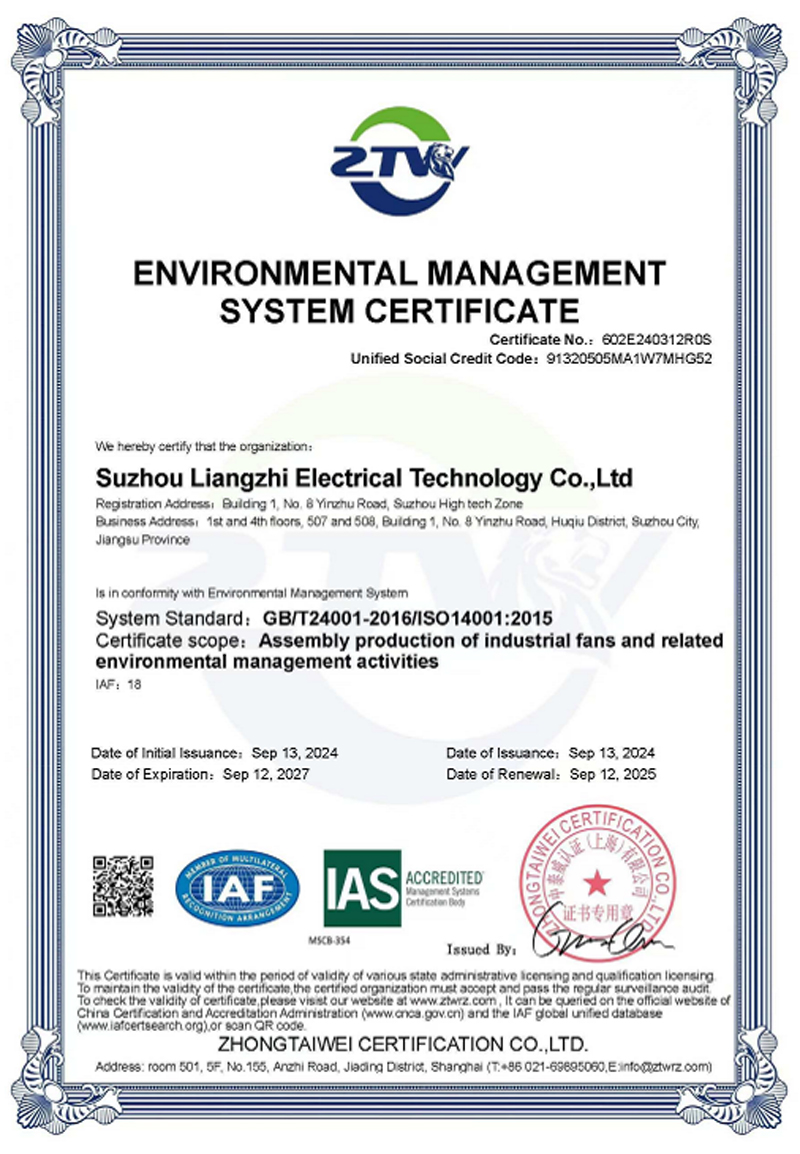
We have technical research and development capabilities in motor structure, fluid, thermal, electromagnetic and other technologies to produce advanced motors for our HVLS fans. Our motor quality is at the forefront of the industry and we have certifications such as ISO9001, CE, EMC and so on.
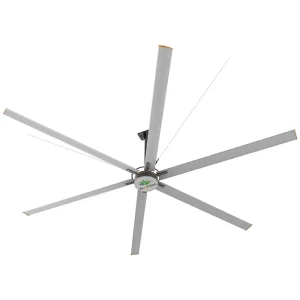
Ideal energy-saving ventilation for high and open spaces. Supported by high-performance motors.
PMSM core tech, fluid design, and safety solutions for warehouses and logistic centers.
Our own brand focused on healthy and natural breezes with CE/EMC certifications.
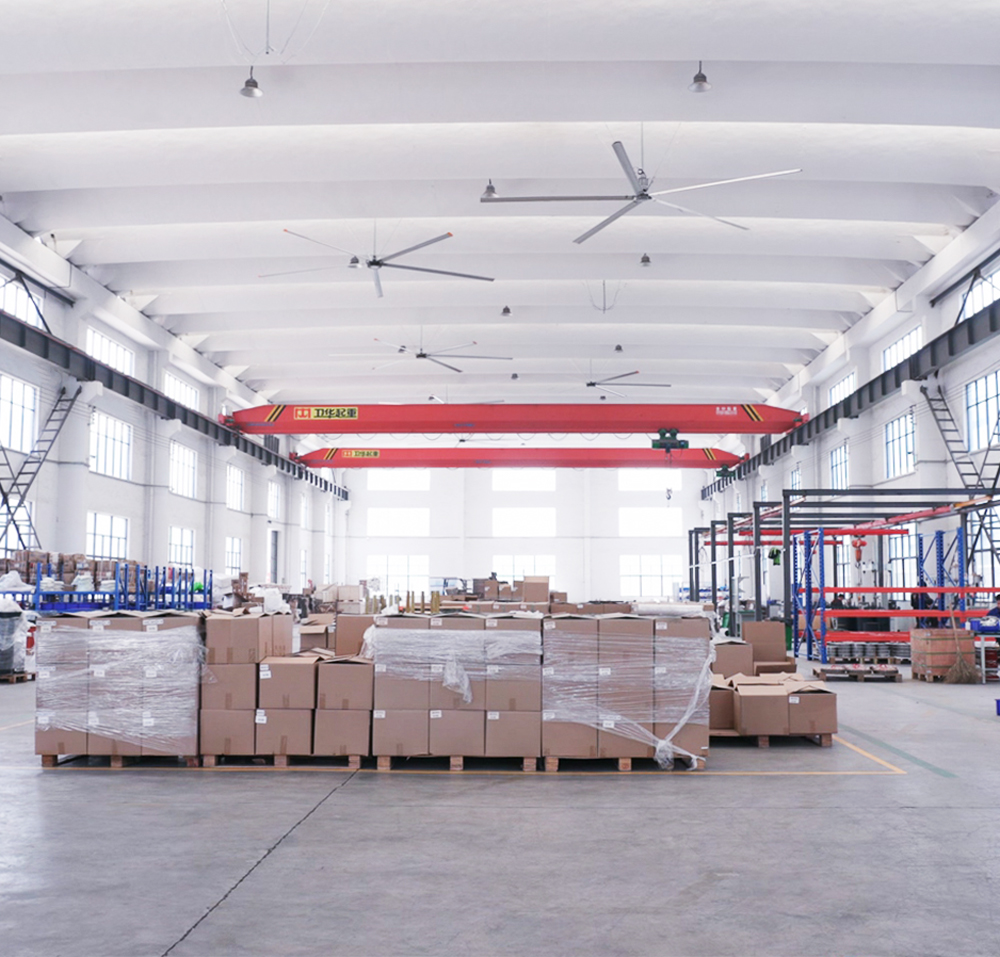
From factory tours to post-installation technical support, we ensure your airflow investment is protected.

Online video tour of factory production line and product details

Provide comprehensive free services to customers visiting before sales

Full air cooling solutions and technical support provided

Fan samples are provided for testing.

Professional OEM & ODM services for global brands

24-hour online video guide for fan installation

Three years' warranty, free accessories for non-human damage

Regular dealer technical knowledge and case study training
Everything you need to know about implementing large-scale ventilation solutions.
PMSM (Permanent Magnet Synchronous Motors) provide higher torque at lower speeds without the energy loss associated with gearboxes. This leads to higher reliability, zero maintenance (no oil changes), and significantly lower operational costs over the fan's lifespan.
During winter, warm air rises to the ceiling (stratification). HVLS fans run at low speeds in reverse or forward to gently push that trapped heat back down to the floor level, reducing heating costs by up to 25% through a process called destratification.
Safety is paramount. High-quality factories should provide 10-level safety measures, including safety ropes, blade anti-fall rings, motor overheat protection, and frequency inverter safety protocols. All Suzhou Liangzhi fans meet CE and EMC international standards.
Yes, but the fan must be built with moisture-resistant components. Our Livestock Wall Fans are specifically designed with sealed motors and corrosion-resistant materials to withstand the ammonia and high humidity found in animal stables.
Most commercial and industrial facilities see a full ROI within 12 to 24 months, depending on local energy costs and the reduction in previous cooling/heating usage.
Explore our full range of high-efficiency fan solutions.
 Liangzhi Electrical