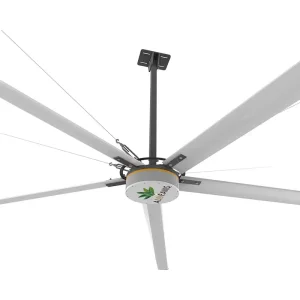
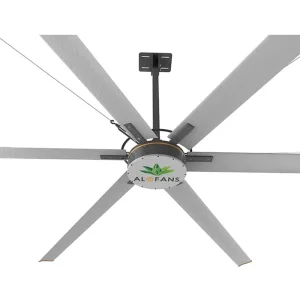
In the global industrial landscape, thermal management has shifted from simple cooling to comprehensive year-round climate control. The concept of Winter Fan Direction (or de-stratification) has become a cornerstone of energy-efficient building management. In large-scale facilities, heat naturally rises, creating a temperature differential where the ceiling can be 20°F warmer than the floor. This "thermal stratification" leads to massive energy waste as heating systems work overtime to keep the floor-level comfortable.
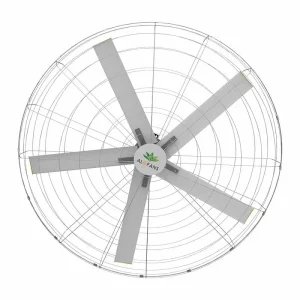
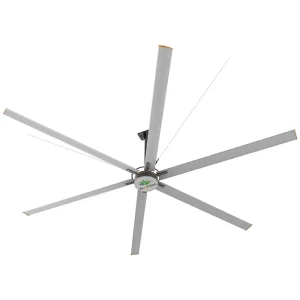
As a professional manufacturer, Suzhou Liangzhi Electrical Technology Co., Ltd. addresses this through advanced HVLS (High Volume, Low Speed) technology. By reversing the fan direction in winter, the blades push trapped warm air from the ceiling down along the walls and back to the floor—without creating a draft. This process can reduce heating costs by up to 30%.
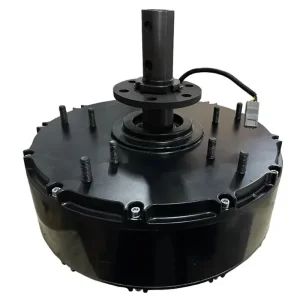
Globally, the HVLS fan market is projected to grow significantly as carbon neutrality targets become mandatory. Regions like North America and Europe are leading the adoption of PMSM (Permanent Magnet Synchronous Motor) technology due to its superior efficiency in low-speed winter modes.
The trend is moving toward "Smart HVAC Integration," where fans automatically adjust their direction and speed based on real-time temperature sensors at different heights, a feature our latest controllers fully support.
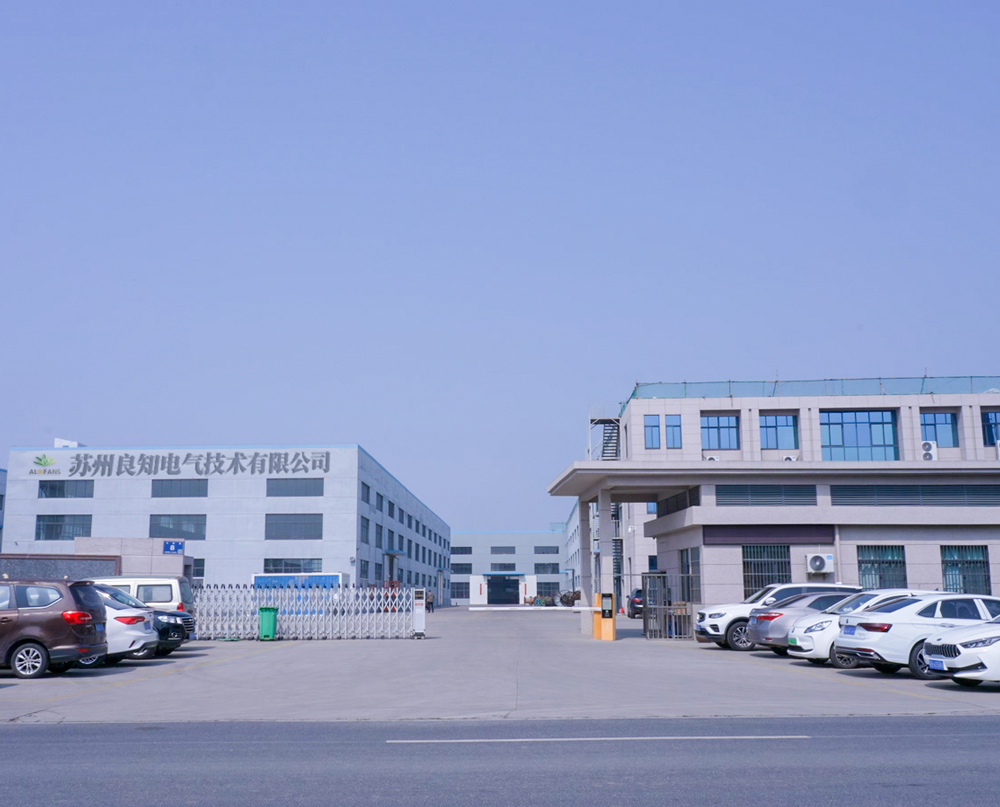
Suzhou Liangzhi Electrical Technology Co., Ltd. was established in March 2018. We specialize in the production of PMSM motors and HVLS fans, accumulating over 6 years of deep industry expertise.
Our company vision is to provide reliable and affordable HVLS fans for every large space, utilizing core technologies that lead the industry in safety and efficiency.
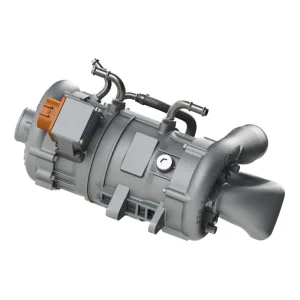
The shift from traditional induction motors to Permanent Magnet Synchronous Motors (PMSM) has revolutionized the "Winter Mode" application. Unlike gear-driven fans, PMSM fans operate silently and offer precise control over rotation at extremely low speeds, which is critical for preventing cold drafts while facilitating air mixing.
We provide systemic solutions for Logistics Hubs, Manufacturing Plants, and Agricultural Stables. In agricultural settings, controlling the winter fan direction prevents livestock from respiratory stress caused by ammonia buildup while maintaining a stable core temperature.
In humid tropical regions, the focus is on moisture control; in cold northern climates, the focus is on "Heat Recovery." Our systems are programmed with localized presets to handle these diverse climatic demands.
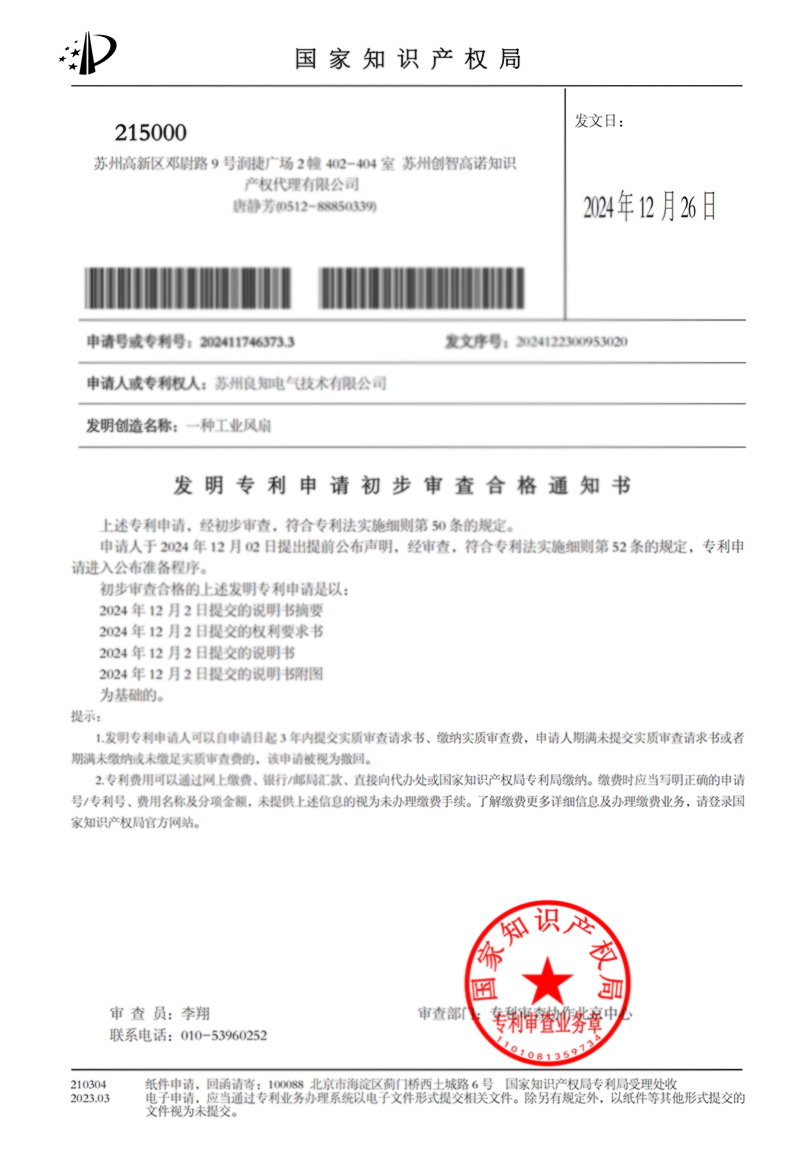
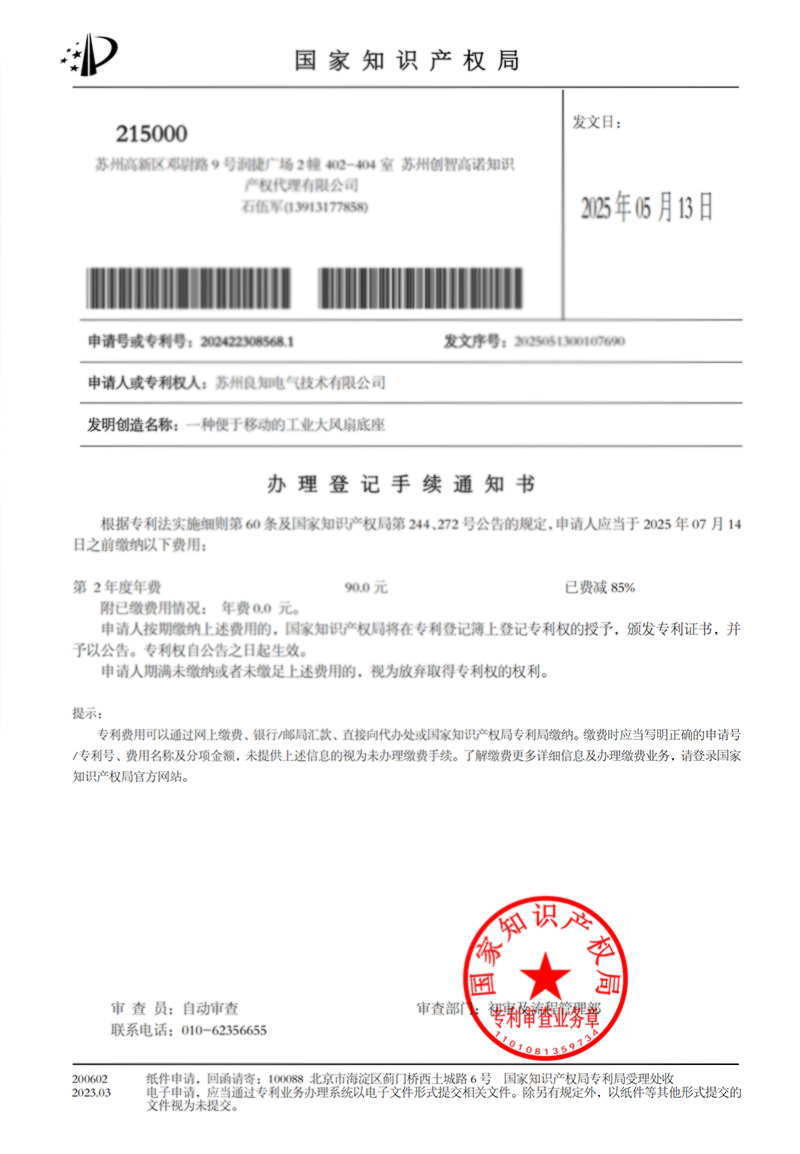
Suzhou Liangzhi Electrical Technology Co., Ltd. is a high-tech enterprise dedicated to the R&D and manufacturing of permanent magnet synchronous motors and high-speed motors. We master core technology in motor structure, fluid dynamics, and electromagnetic thermal management.
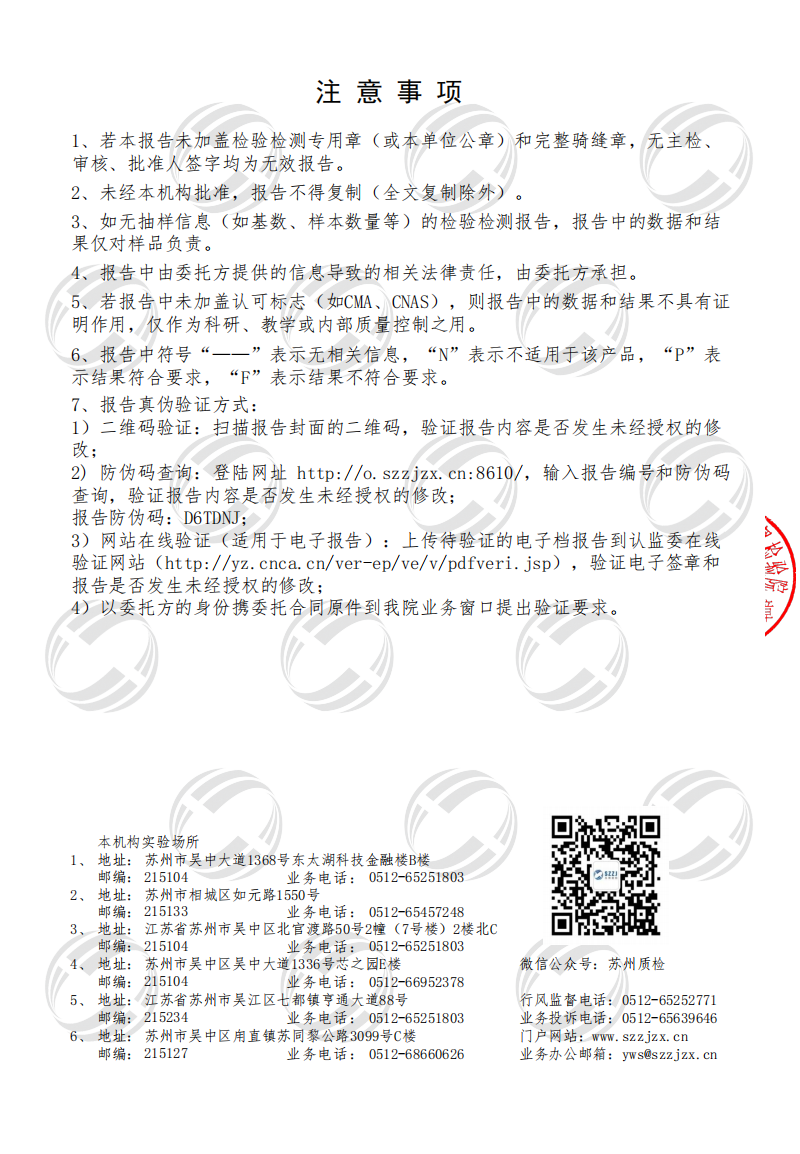
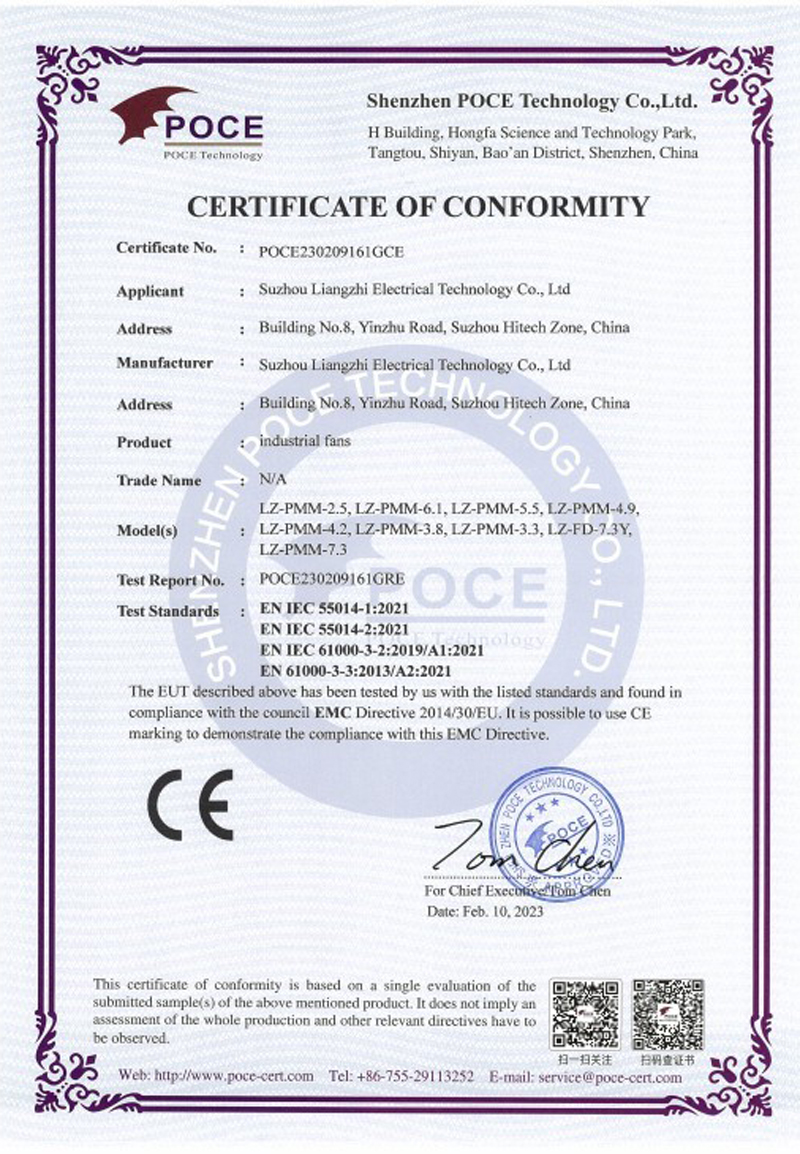
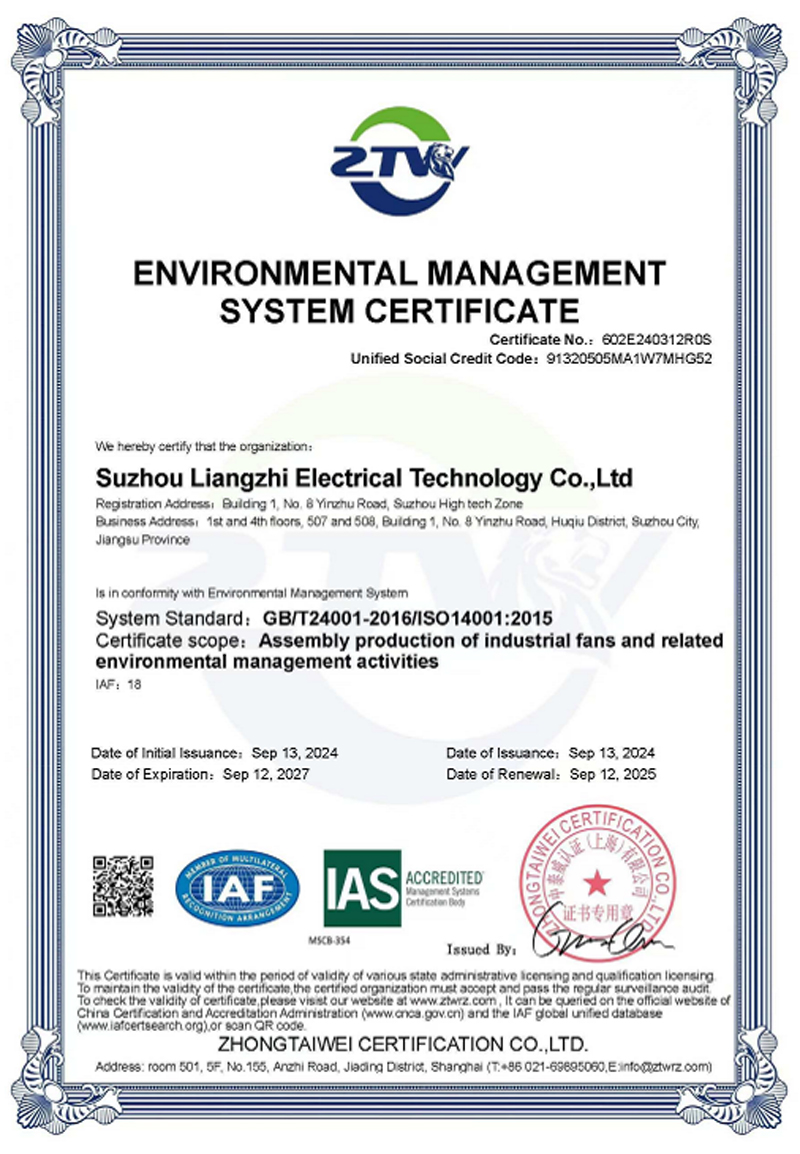
Aloe Fans is our own brand, aiming to create a healthy and natural breeze for every environment. It has passed CE, EMC, and LVD international certifications.
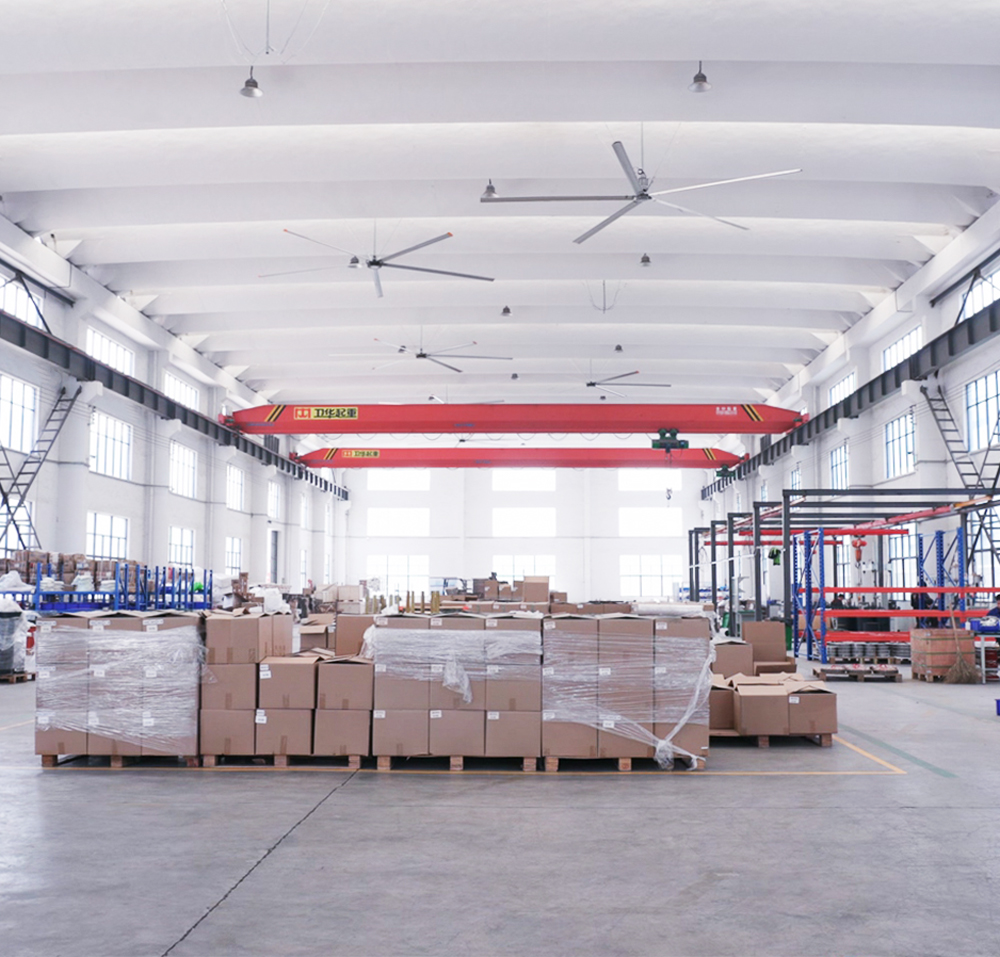
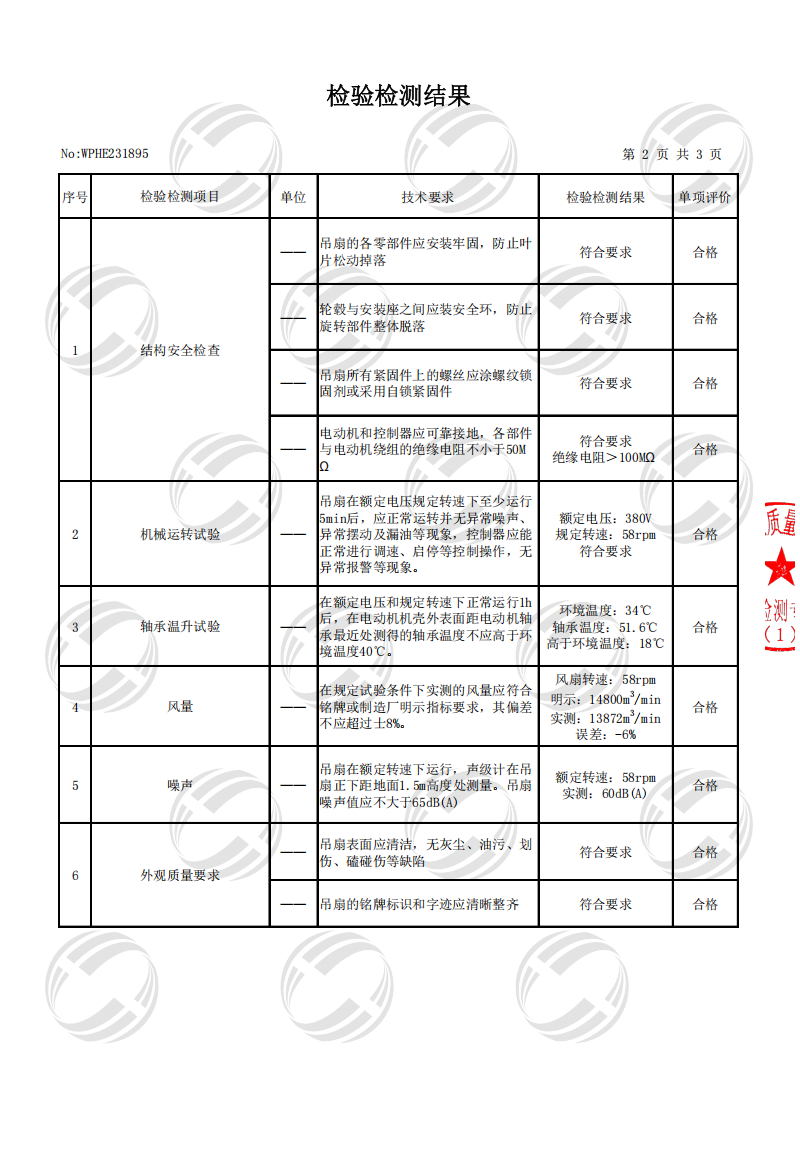
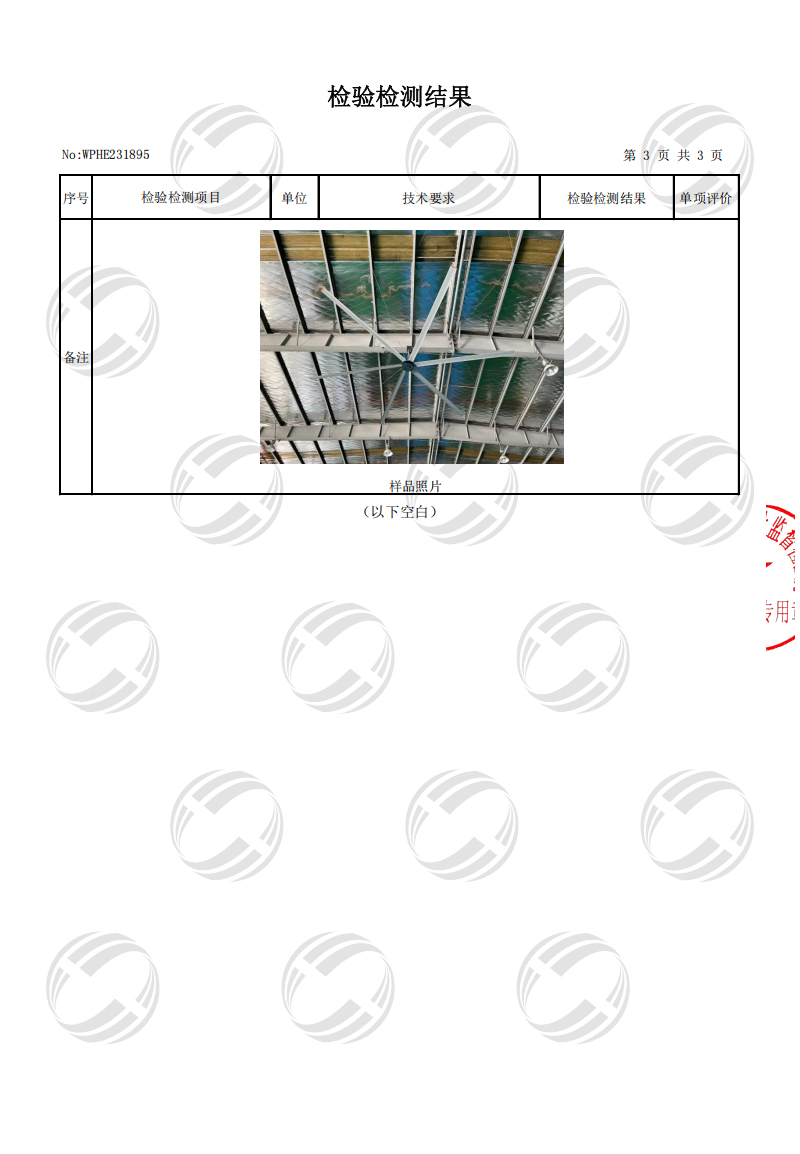

Online video tours of factory production lines and product details.

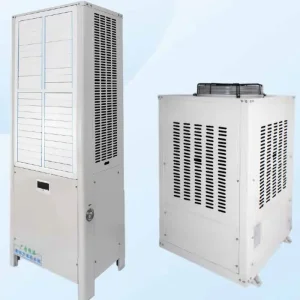
Full air cooling and ventilation solutions based on customer site structure.

Custom manufacturing tailored to your specific industrial requirements.

New accessories sent free of charge for any non-human damage.
A: Running a fan in reverse (clockwise) at a low speed creates an updraft. This pulls cool air up and pushes the warm air trapped at the ceiling down to the floor. This process, called de-stratification, makes the room feel warmer without the direct wind-chill of a downward breeze.
A: Most industrial facilities see a 20% to 30% reduction in heating costs. By mixing the air layers, your thermostat triggers less frequently because the temperature at the ground level remains stable for longer periods.
A: Yes. PMSM motors are significantly more efficient at the low RPMs required for winter mode. Traditional AC motors lose efficiency and can generate heat or hum when run at low speeds, whereas PMSM remains cool and silent.
A: For maximum effectiveness, HVLS fans should be mounted between 15 to 40 feet. This allows sufficient space for the air column to circulate without creating turbulence that could disturb occupants.
 Liangzhi Electrical