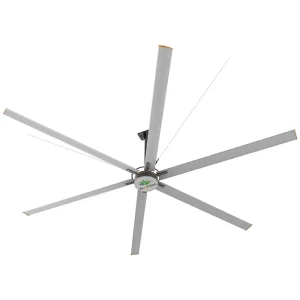
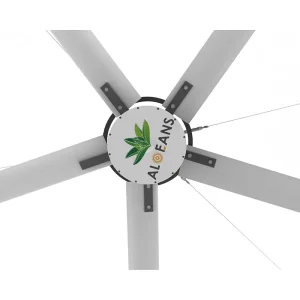
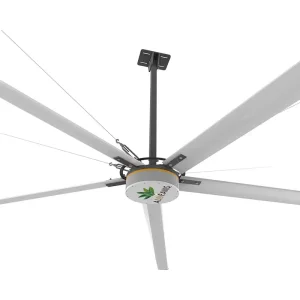
In the era of carbon neutrality and global energy paradigm shifts, modern manufacturing sites, distribution hubs, and agricultural infrastructure face unprecedented thermal challenges. High-ceilinged properties present significant spatial design difficulties, commonly plagued by hot pockets, heavy thermal load accumulation, and high humidity levels. The adoption of High Volume, Low Speed (HVLS) fans is now recognized as a key technological response. Unlike traditional high-velocity exhaust systems, HVLS configurations operate on aerodynamic displacement, delivering large, gentle masses of air that cover massive expanses with minimal kinetic input.
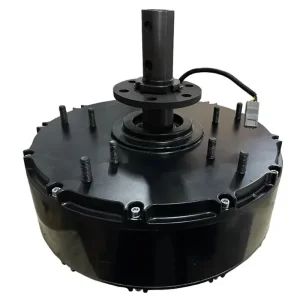
The commercial and industrial sector is moving away from high-maintenance gearbox-driven fans toward direct-drive system engineering. This evolution centers on the replacement of conventional mechanical configurations with Permanent Magnet Synchronous Motors (PMSM). When combined with advanced Variable Frequency Drives (VFD) and intelligent building management systems (BMS), modern HVLS air distribution delivers higher cooling efficiency and lower acoustic interference. This setup supports compliance with strict international carbon footprint guidelines (like the EU Green Deal and US ESG directives), making it a key component of modern architectural design.
The industry is shifting from traditional gearbox setups to direct-drive PMSM technology. This shift eliminates issues like transmission wear, oil leaks, and mechanical friction loss, resulting in quiet, maintenance-free operation.
With energy costs rising globally, the low operating costs of HVLS fans allow facilities to recoup their initial investment within 12 to 18 months, especially when run alongside HVAC units.
Modern installations are increasingly integrated into smart building architectures, utilizing real-time temperature, humidity, and occupancy data to adjust airflow dynamically.
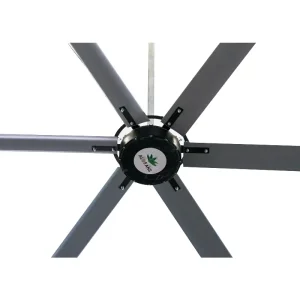
The core performance of an HVLS fan depends on its motor. Traditional AC induction motors rely on external excitation currents to generate magnetic fields, which creates inherent electromagnetic energy loss and rotor heat generation. In contrast, Permanent Magnet Synchronous Motors (PMSM) utilize high-coercivity NdFeB (Neodymium Iron Boron) rare-earth magnets to deliver constant magnetic flux density without drawing extra current.
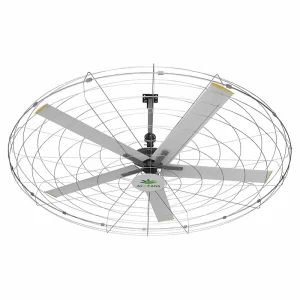
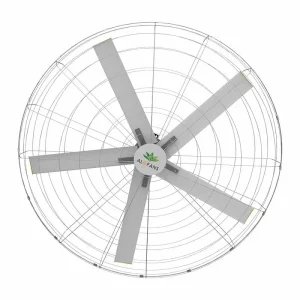
This design yields clear advantages for large industrial spaces. First, PMSM systems generate exceptional torque density. They can spin wide, heavy structural aluminum blades (ranging from 12 to 24 feet) at low RPMs (typically 50-80 RPM) without needing a gear reduction box. This direct connection reduces transmission losses by 15% to 20%. In terms of acoustics, eliminating the gearbox removes high-frequency gear mesh noise, allowing PMSM fans to operate quietly at less than 38-43 dB(A). This makes them suitable for commercial settings like retail centers, fitness hubs, and educational environments.
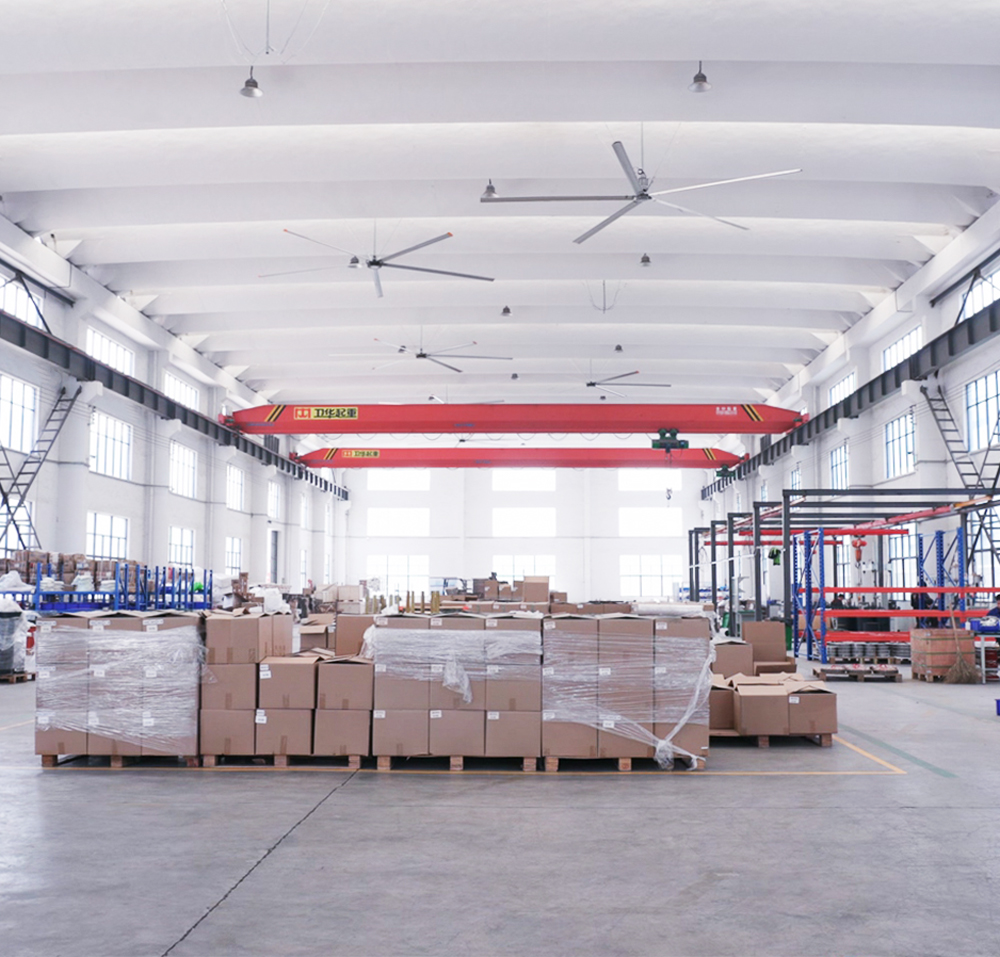
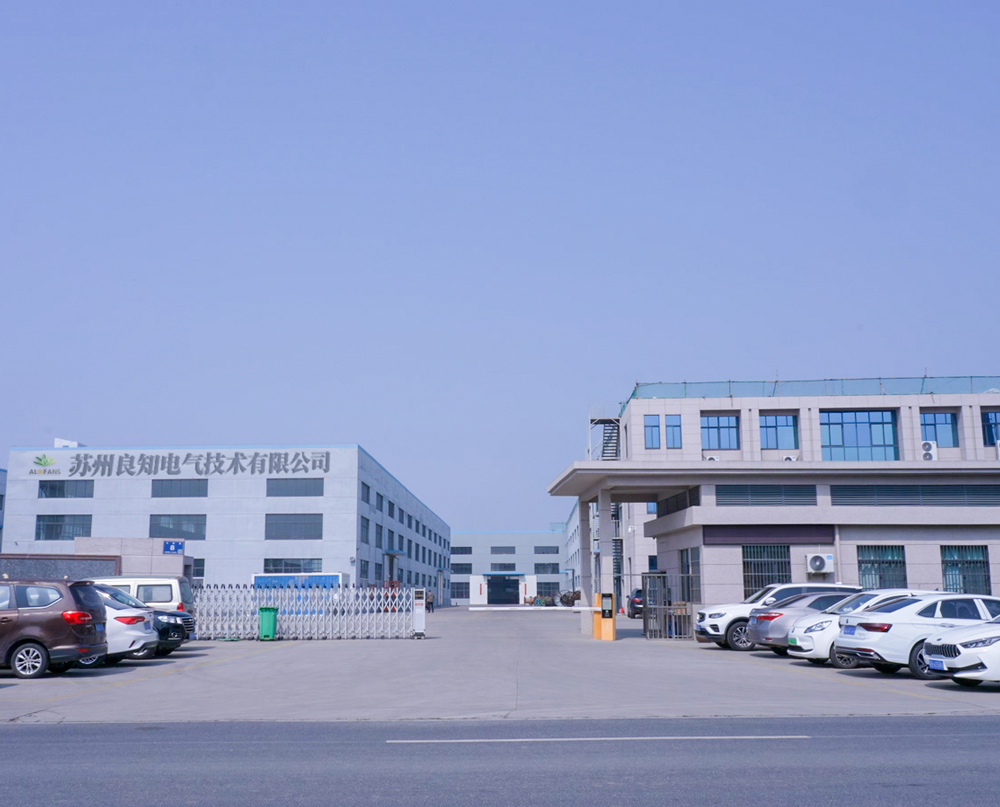
The global demand for reliable cooling equipment requires suppliers with robust manufacturing infrastructure, reliable quality assurance, and stable raw material sourcing. Based in Suzhou, China, Suzhou Liangzhi Electrical Technology Co., Ltd. utilizes an advanced manufacturing ecosystem to deliver these benefits. This includes direct access to rare-earth magnet deposits, local high-precision motor winding shops, and specialized structural extrusion suppliers.
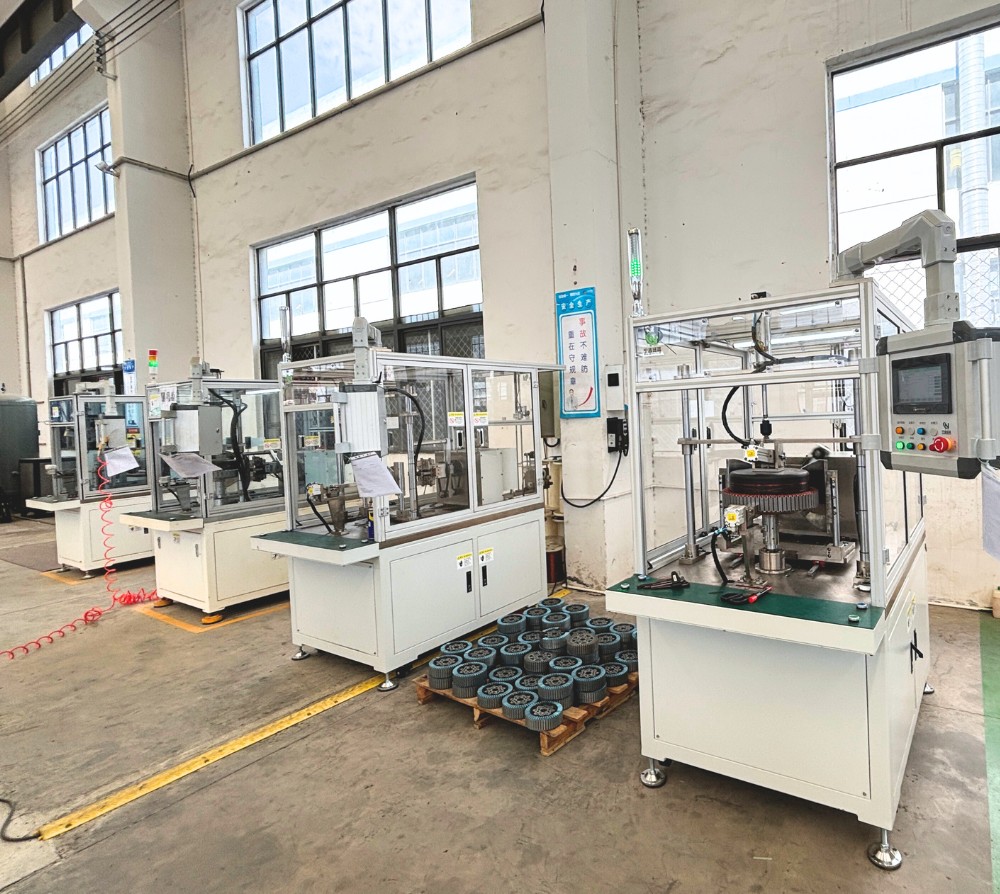
Our facility integrates design, prototyping, electrical winding, controller programming, dynamic balancing, and lifecycle stress testing. By handling motor, structural safety, and drive controller development in-house, we eliminate external markups and ensure quality control at every stage. This vertical integration allows us to customize voltage, mounting arrays, controllers, and blade lengths for OEM projects while maintaining competitive lead times.
The impact of a high-volume, low-speed fan goes beyond basic air circulation. Airflow performance is engineered to match the requirements of specific building layouts and applications.
In high-ceilinged logistics hubs, humidity can damage packaging and compromise inventory. HVLS fans balance air temperatures to eliminate condensation risk, keeping floors dry and stabilizing stored goods.
Machinery-heavy environments suffer from severe thermal load build-up. The gentle breeze of an HVLS fan lowers effective skin temperature by 3°C to 5°C, improving worker safety and productivity.
High metabolic rates in fitness centers demand constant air exchange. Quiet PMSM motors provide high ventilation volumes without loud mechanical noise, maintaining a comfortable workout space.
Heat stress in dairy cows and livestock can lower milk yields and affect overall herd health. Continuous airflow sweeps away ammonia gas and heat build-up, maintaining healthy, comfortable conditions.
Providing high-quality hardware is only part of the equation. Suzhou Liangzhi Electrical Technology Co., Ltd. supports global customers with structured, professional service processes. We provide clear support from initial site evaluation to long-term post-installation operations.
Our engineering team designs complete ventilation plans using CFD models to match your structural layout. For international dealers, we offer technical training, installation guides, and components designed for simple field integration.


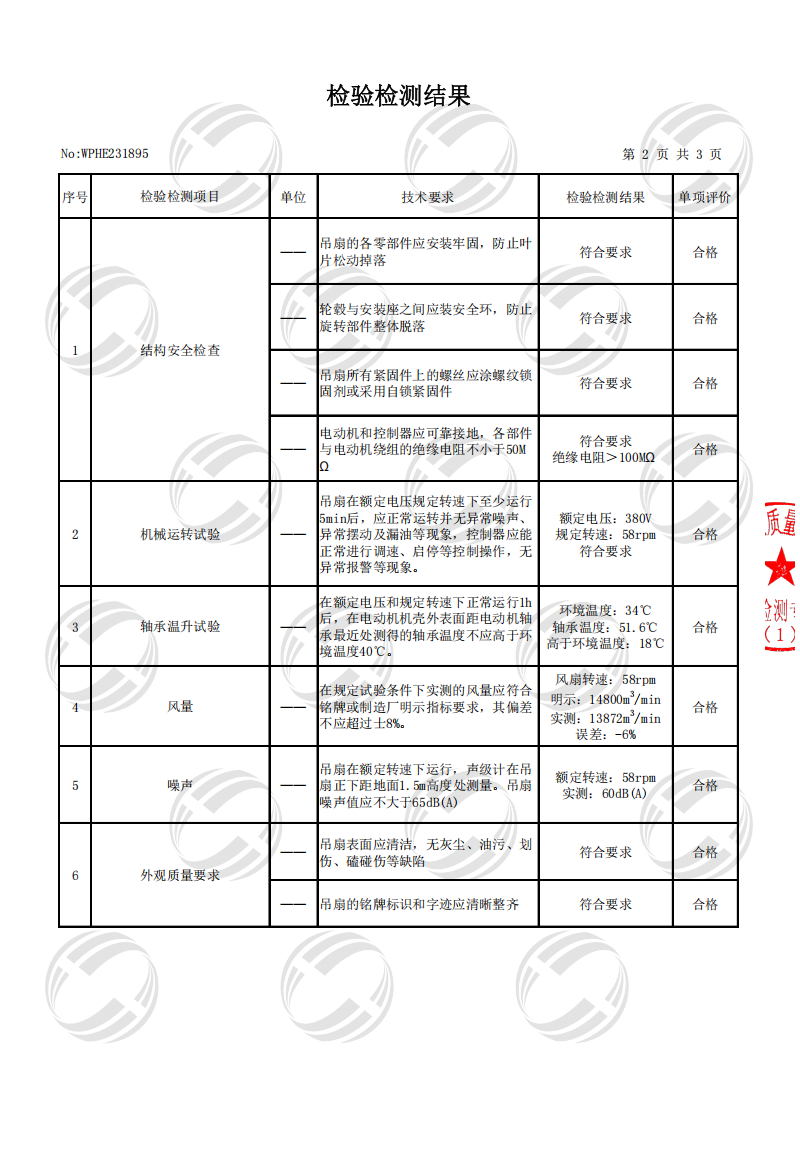
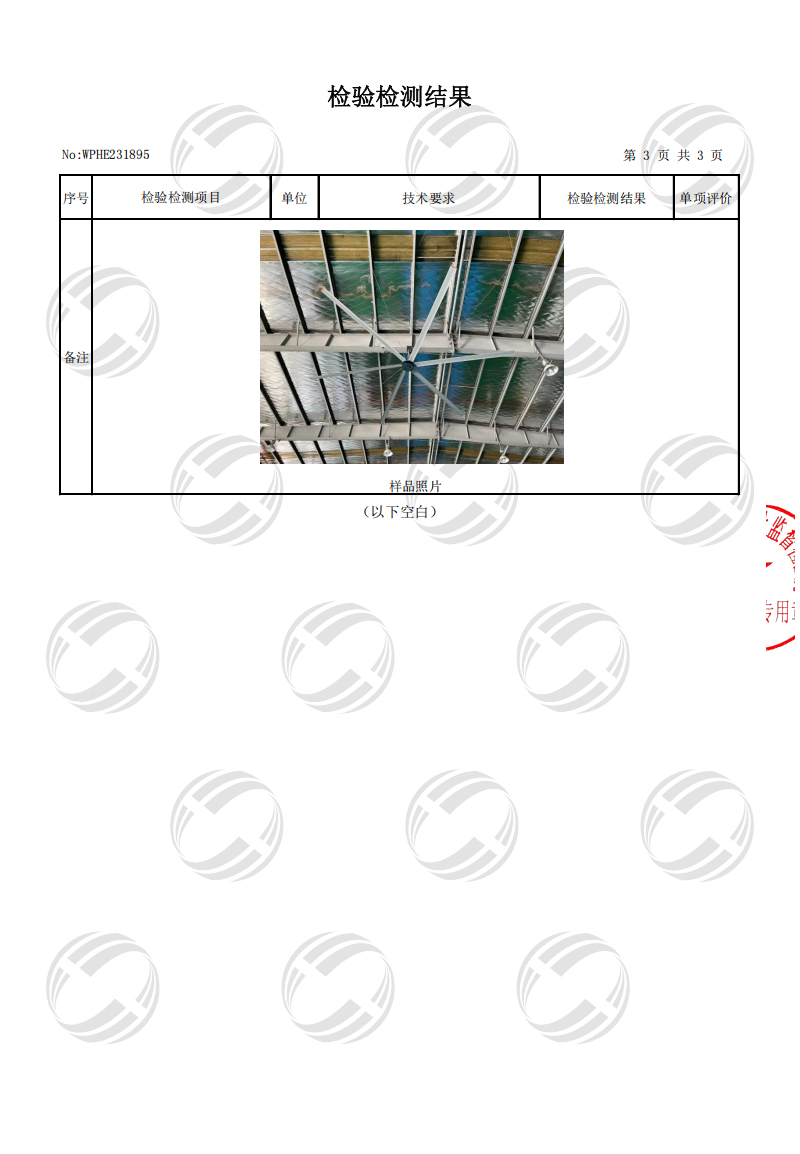
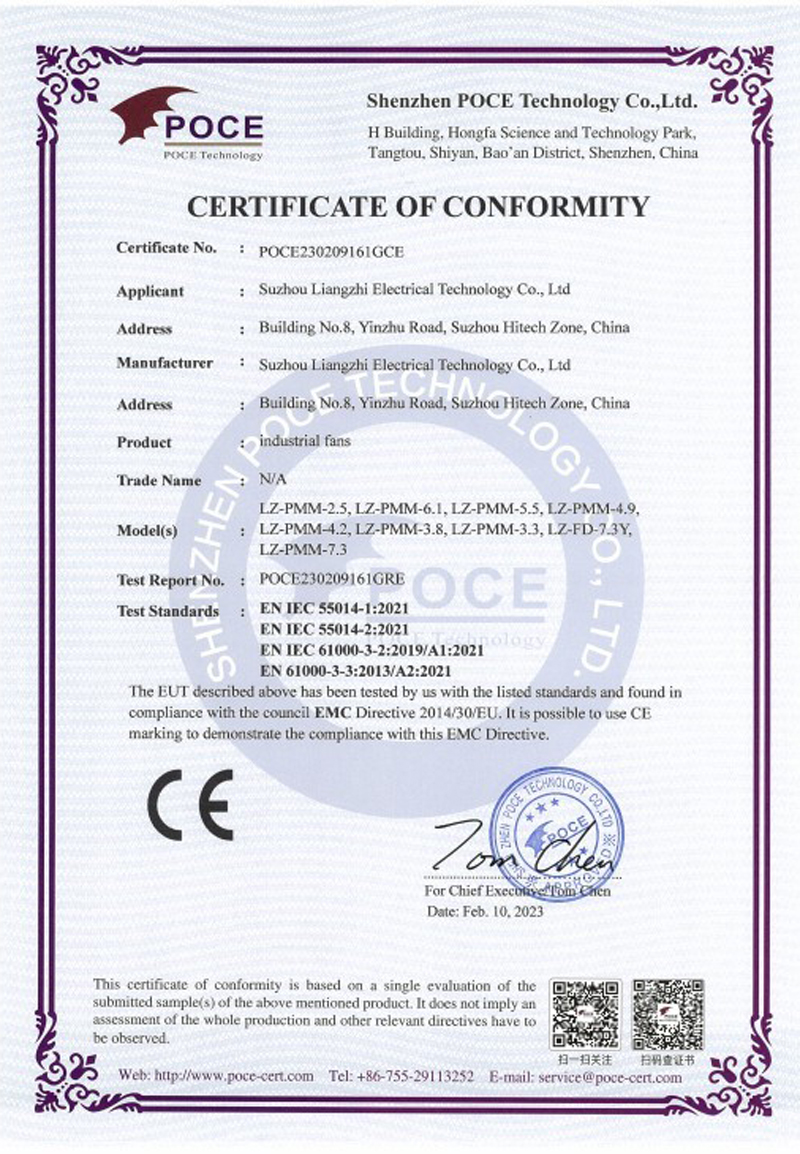
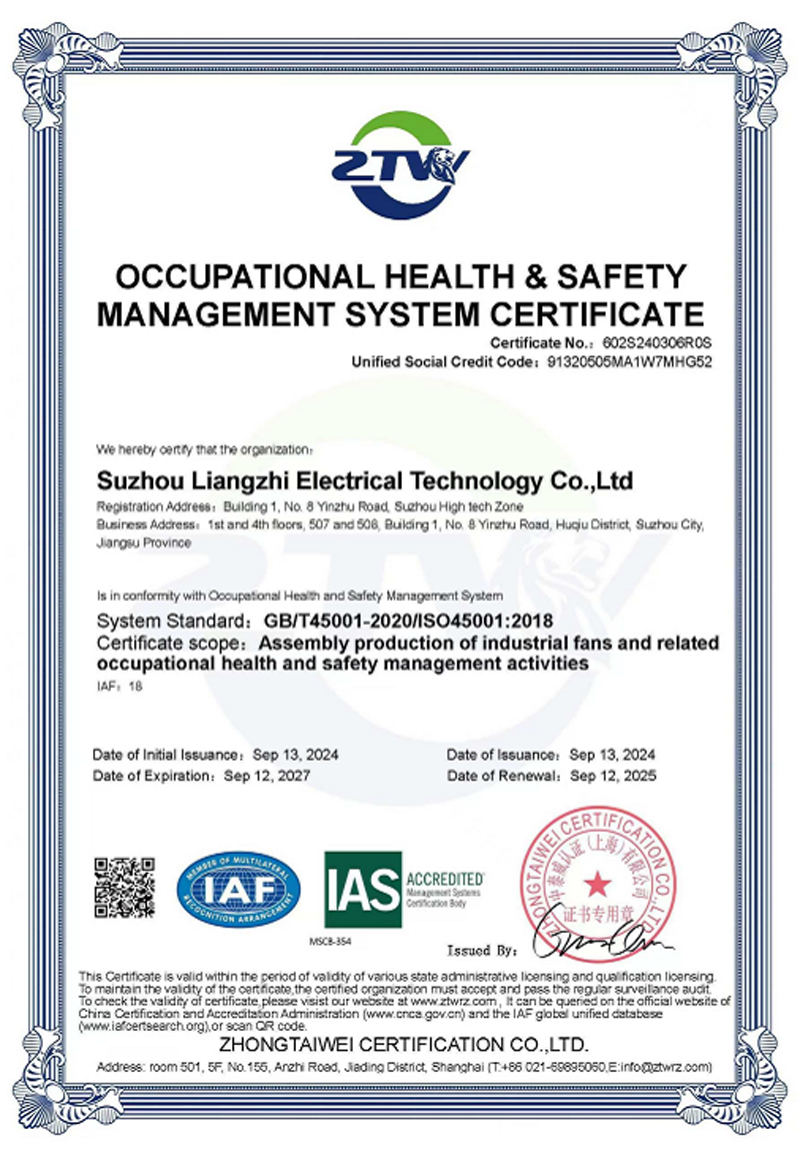
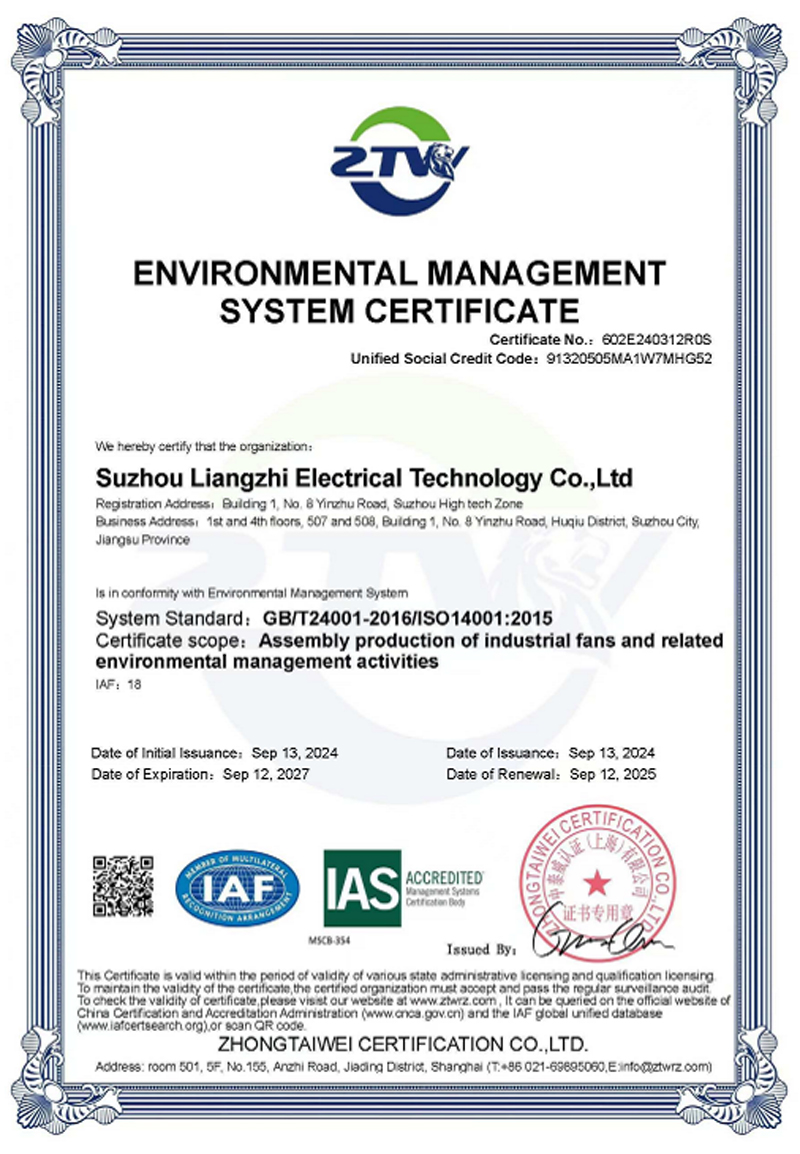
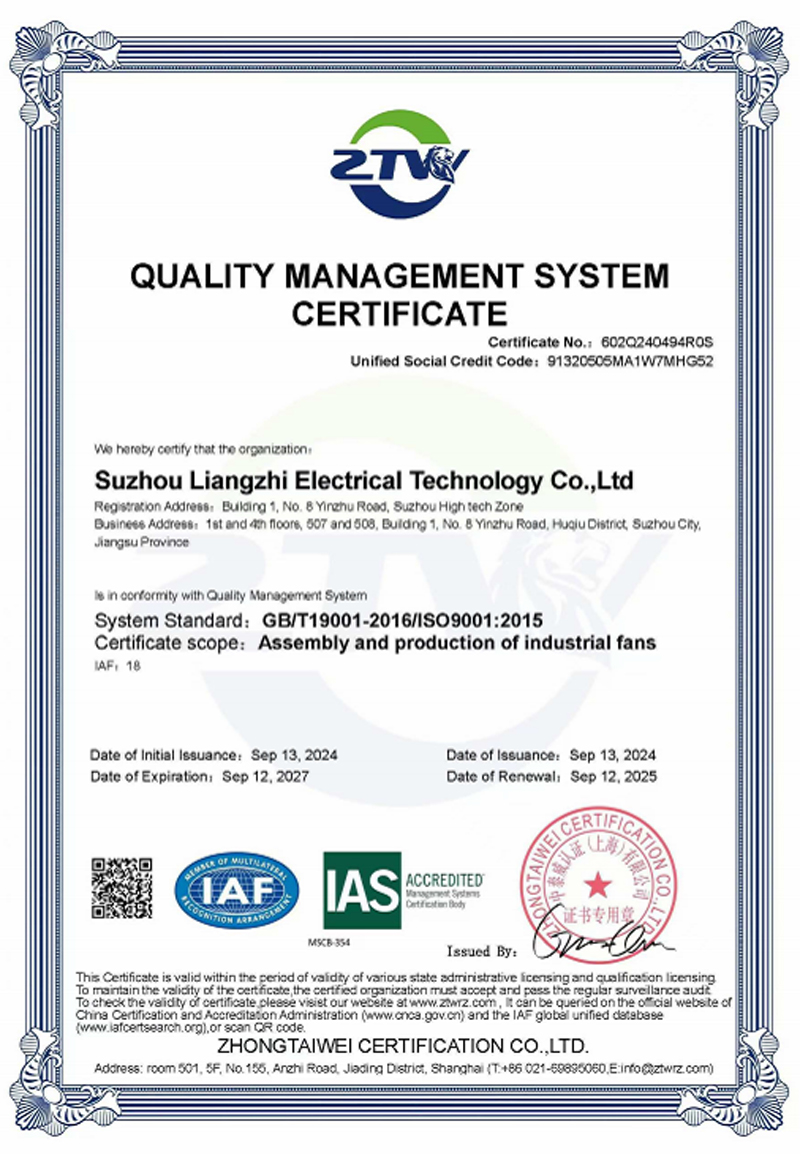
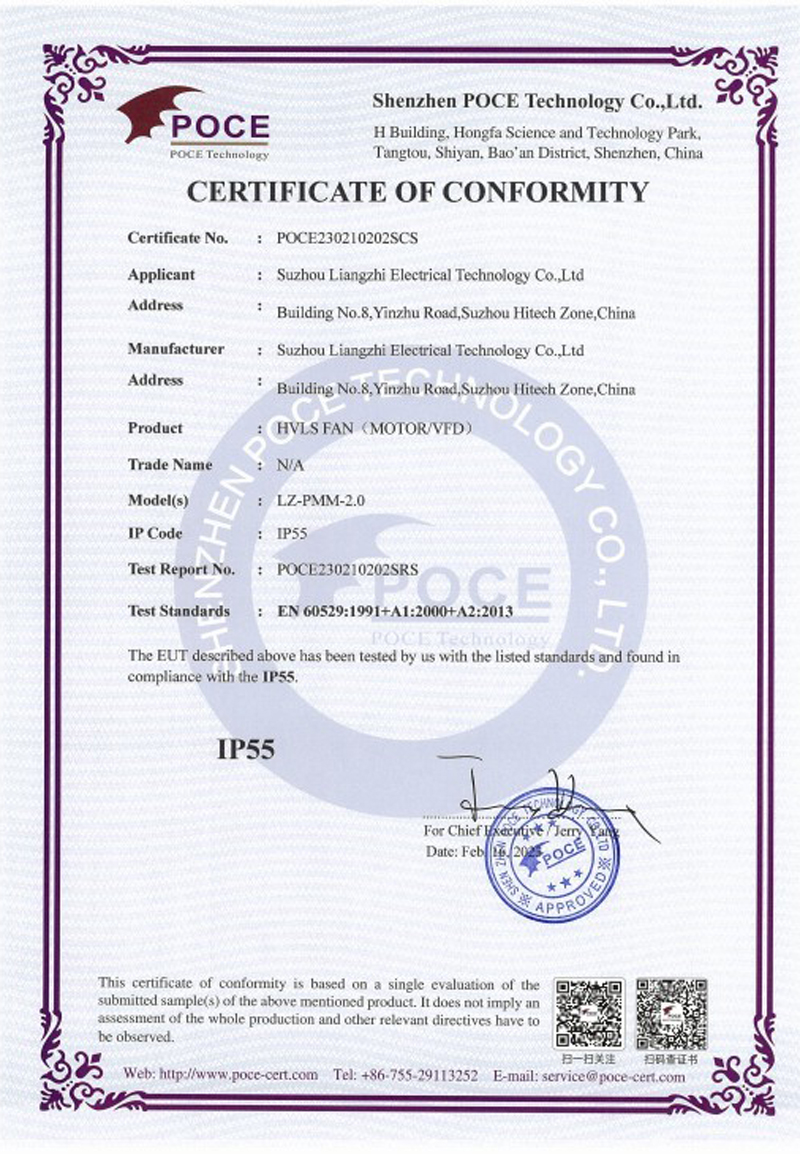
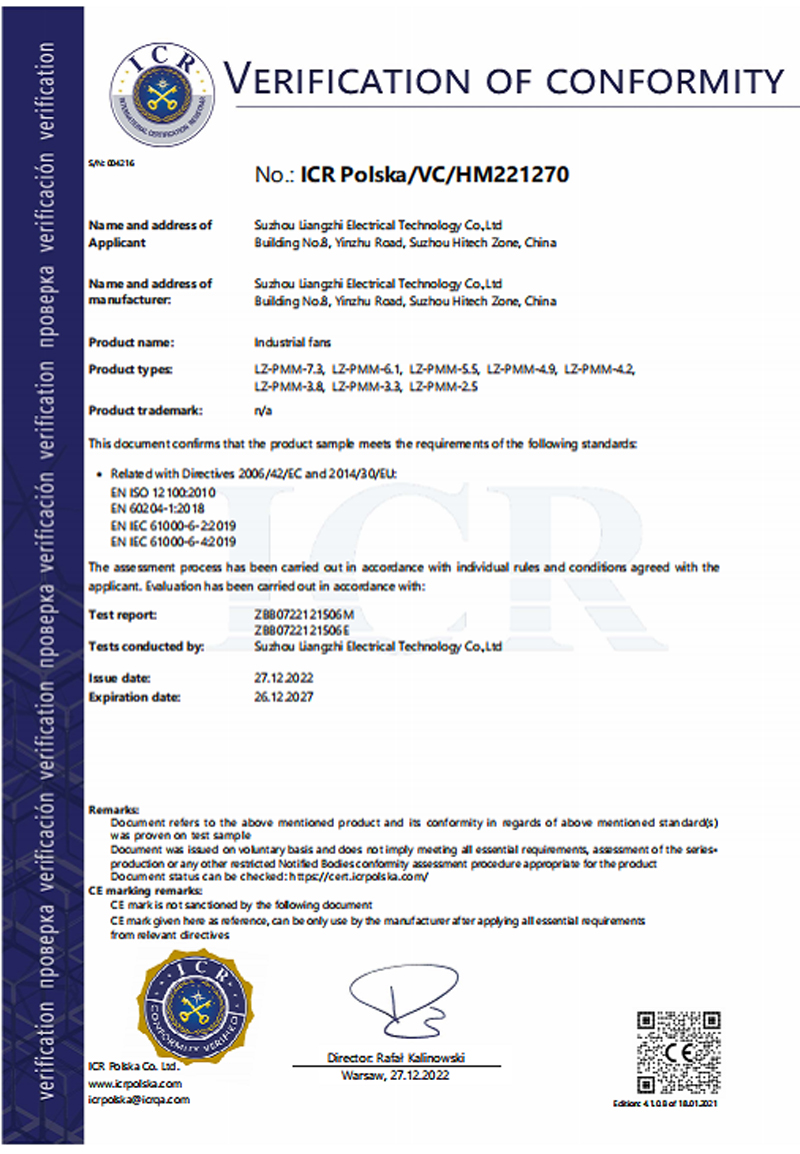
Our engineering designs, electrical systems, and fan structures comply with international safety regulations, including ISO9001, CE, EMC, and LVD.
 Liangzhi Electrical