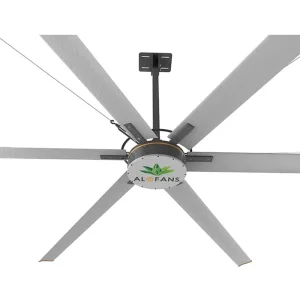
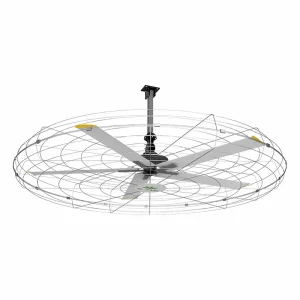
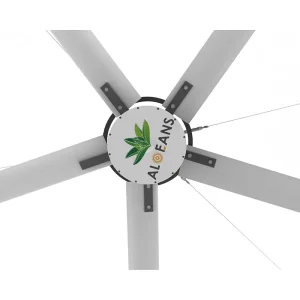
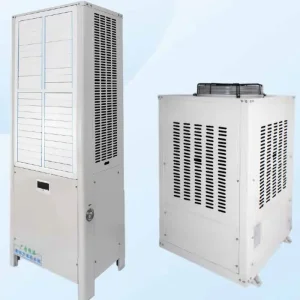
In the modern aviation industry, airplane hangars are more than just storage facilities; they are complex Maintenance, Repair, and Overhaul (MRO) hubs where safety and precision are paramount. Large-scale ventilation, specifically through High Volume Low Speed (HVLS) fans, has become a global standard for managing the microclimate of these massive structures.
From the arid deserts of the Middle East to the humid coastal regions of Southeast Asia, hangar managers face the constant challenge of "Thermal Stratification" and "Sweating Slab Syndrome." Our research indicates that improper airflow can lead to a 15% decrease in technician productivity due to heat stress and a significant increase in the corrosion rates of sensitive avionics.
Reduction in cooling energy costs when HVLS fans are integrated with traditional HVAC systems in aviation facilities.
Early industrial fans relied on mechanical gearboxes. While powerful, they were prone to oil leaks (a hazard in hangars) and required high maintenance.
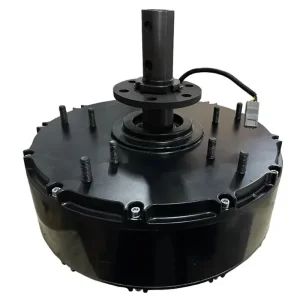
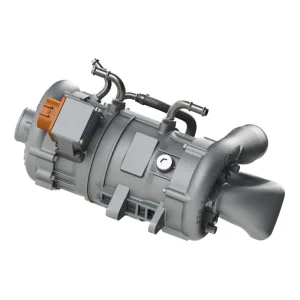
Suzhou Liangzhi Electrical Technology pioneered the use of Permanent Magnet Synchronous Motors (PMSM). This eliminated the gearbox, offering silent operation and 90%+ energy efficiency.
The future involves "Smart Airflow." Fans equipped with sensors that detect humidity and temperature, automatically adjusting speed to prevent condensation on aircraft wings.
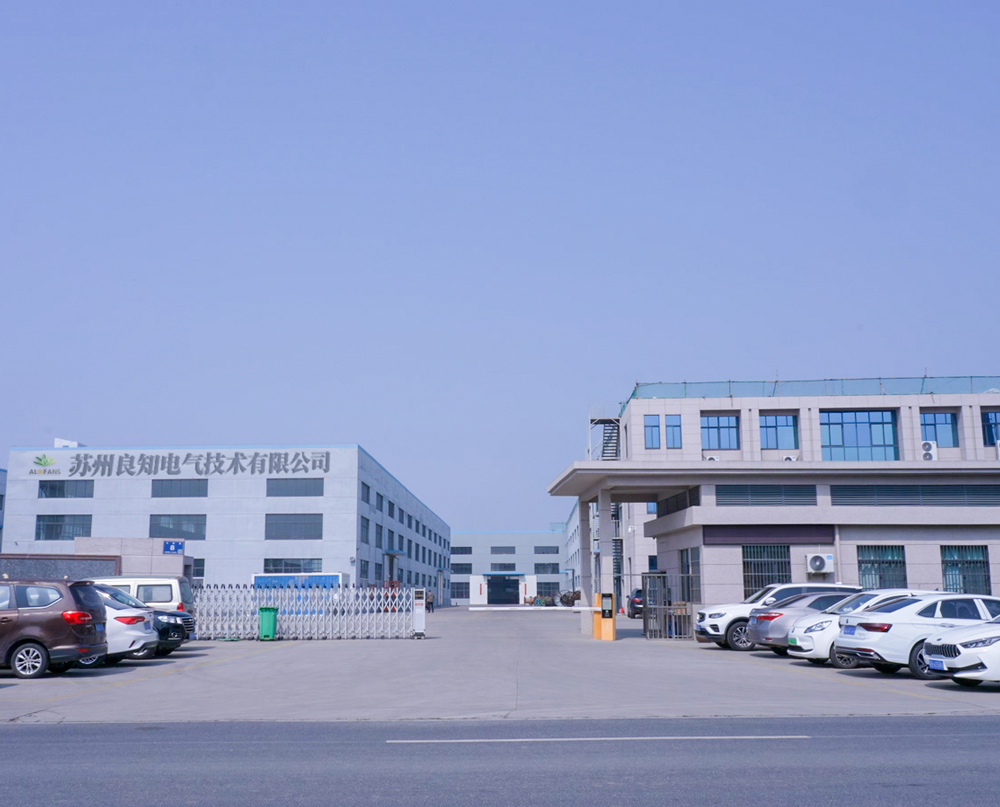
Suzhou Liangzhi Electrical Technology Co., Ltd. was established in March 2018. We specialize in the R&D and manufacturing of permanent magnet synchronous motors and HVLS fans.
With over 6 years of accumulated industry experience, our independently developed motors and controllers represent the cutting edge of industrial ventilation. Our vision is to provide reliable and affordable HVLS fans for every large space globally.
Founded & Innovation Start
Years of R&D Mastery
As a high-tech enterprise, we possess deep technical capabilities in motor structure, fluid dynamics, thermal management, and electromagnetics. This allows us to produce advanced motors specifically for HVLS fans used in electric vehicles and aerospace sectors.
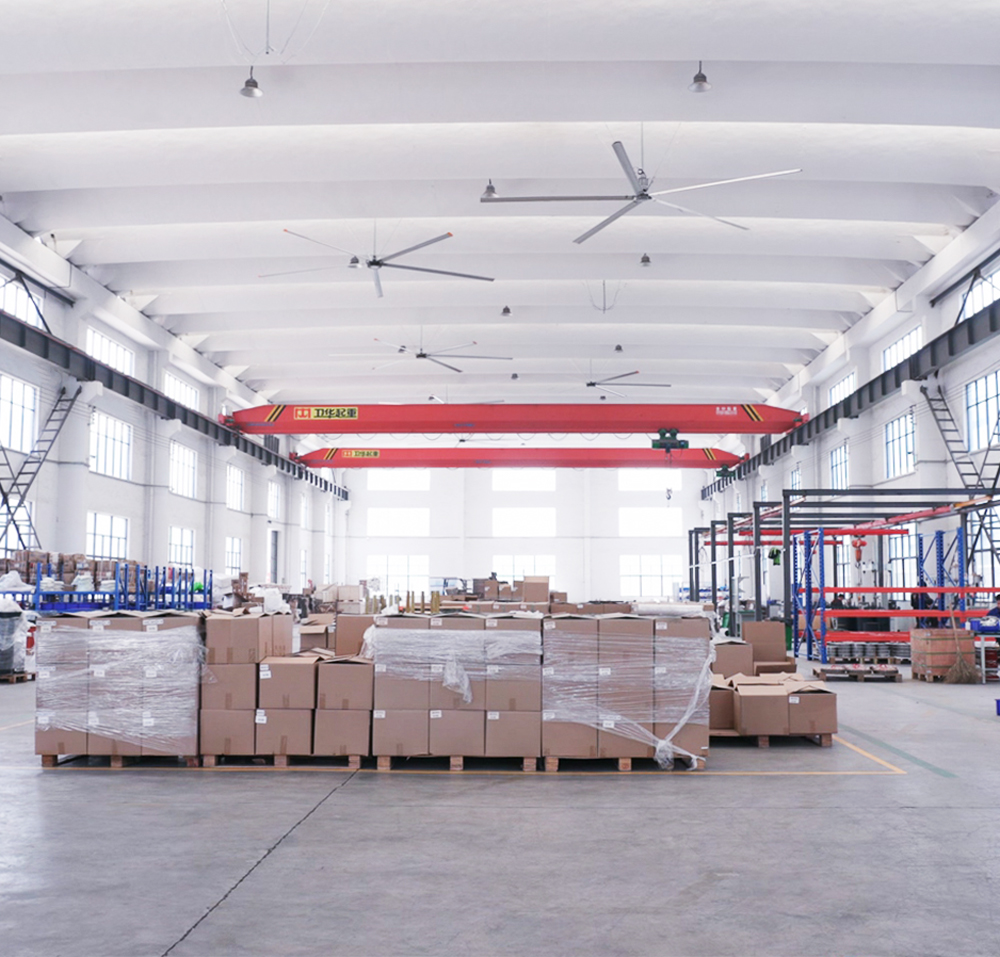
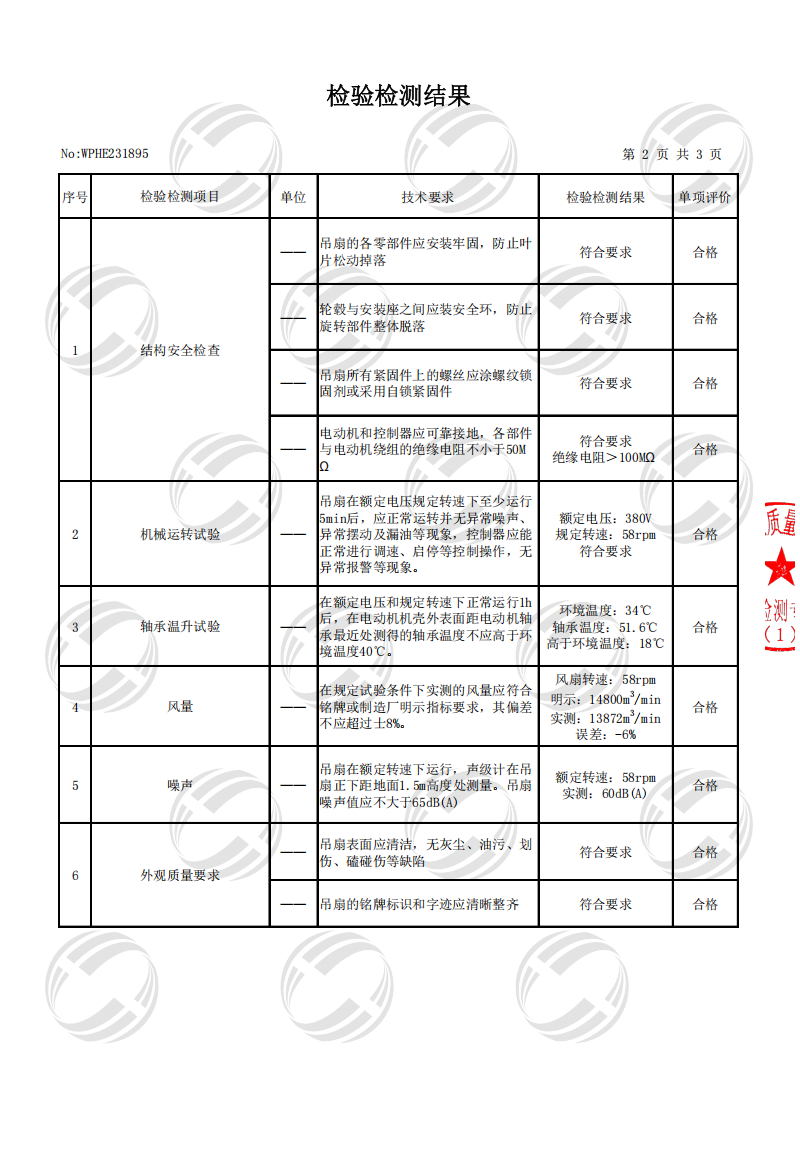
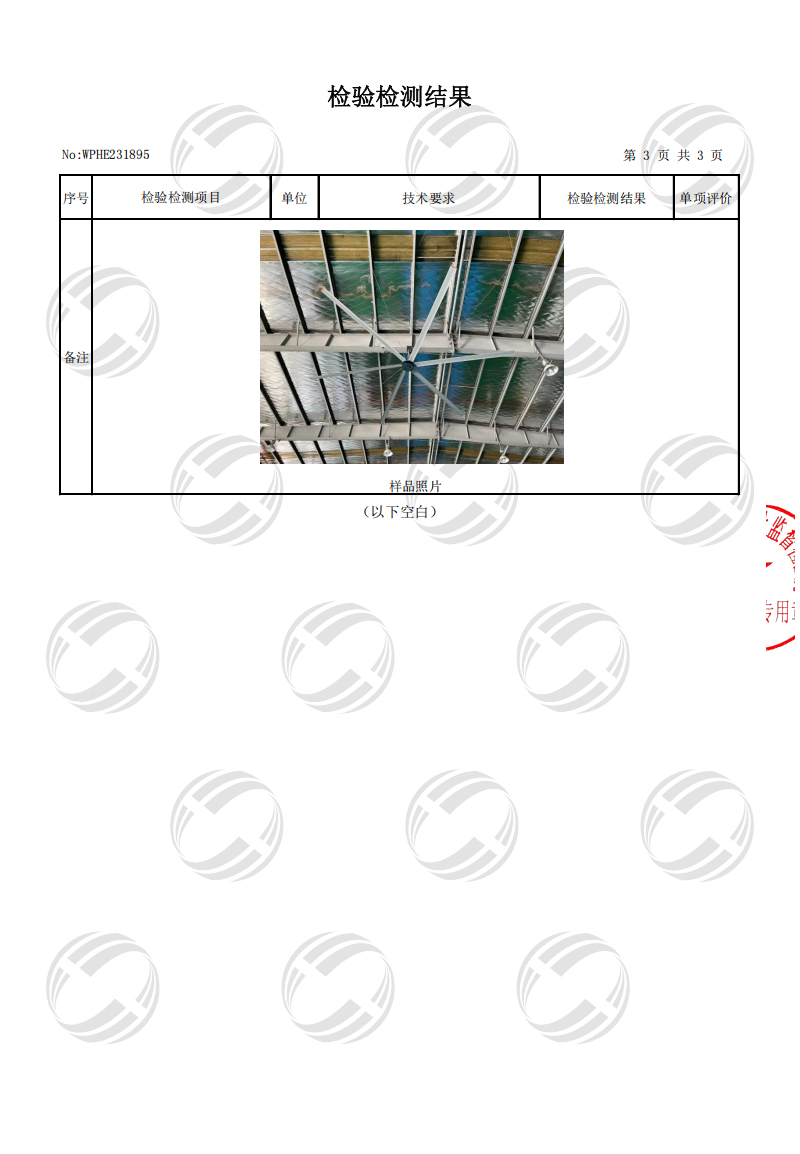
Our quality is at the forefront of the industry, backed by international standards.
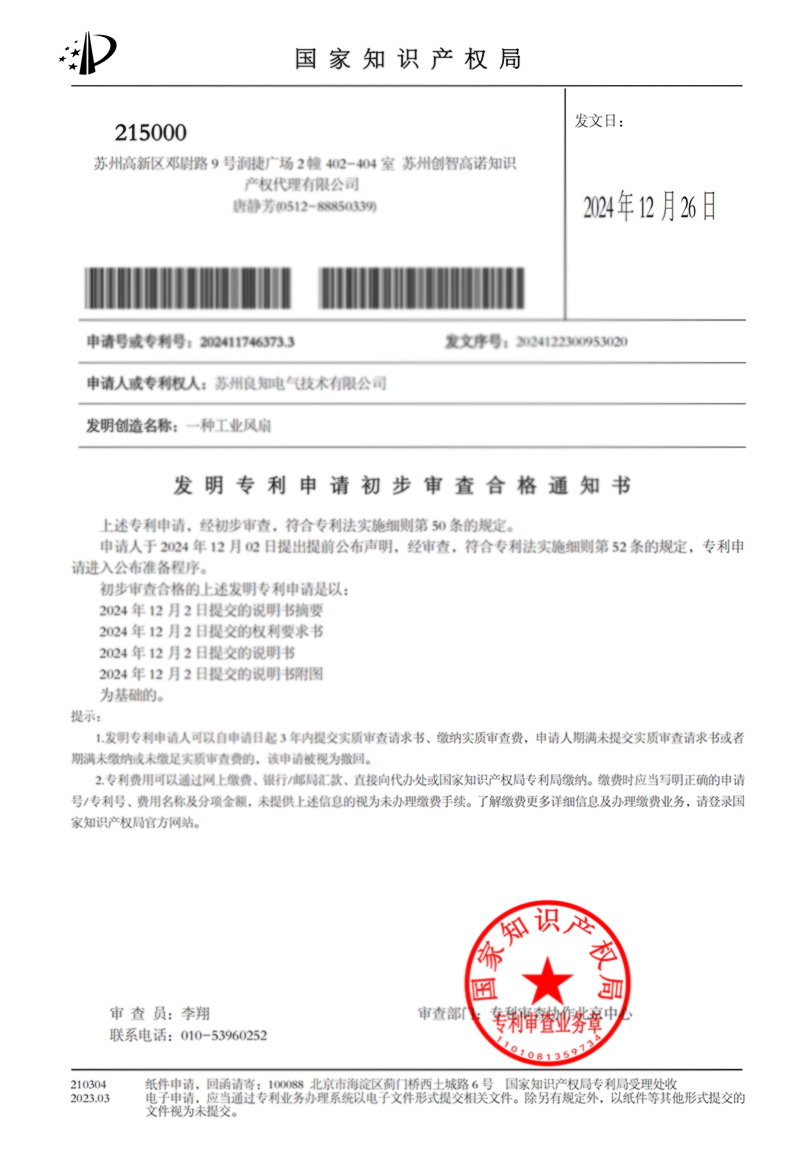
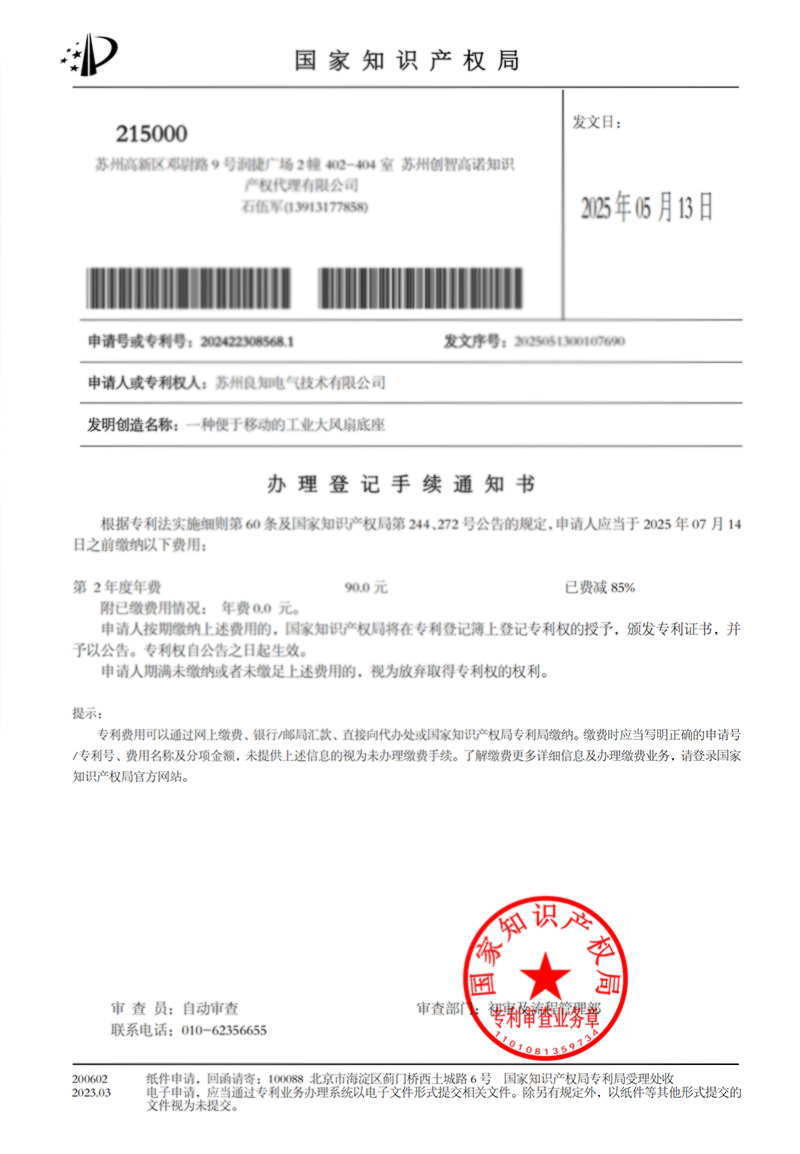

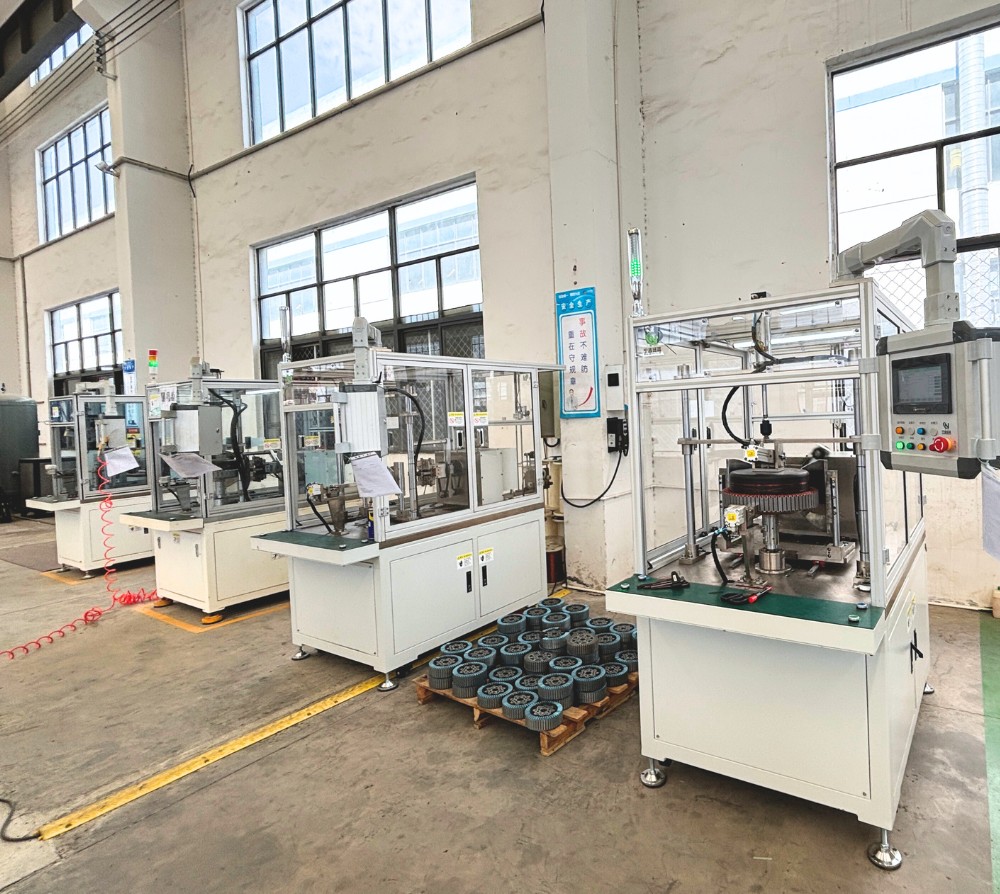
Online video tour of factory production lines and product details for global buyers.

Comprehensive free services to customers visiting the factory before placing orders.

Custom air cooling and ventilation solutions based on your specific on-site structure.

Fan samples are provided for rigorous testing in your specific hangar environment.

Bespoke manufacturing for specialized aviation requirements and branding.

Free accessories and components sent immediately for any non-human factor issues.
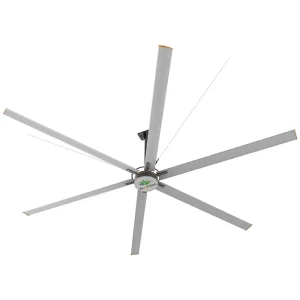
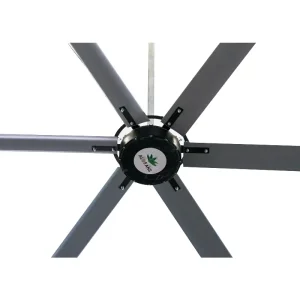
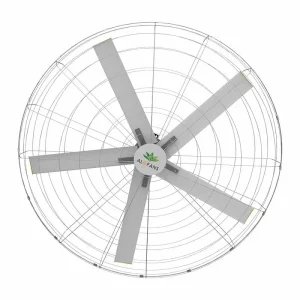
Airplane hangars have high ceilings and massive volumes. Traditional fans simply move air in small pockets. HVLS fans create a massive, slow-moving column of air that reaches the floor and spreads 360 degrees, eliminating hot spots and preventing moisture buildup on expensive aircraft surfaces.
PMSM (Permanent Magnet Synchronous Motor) is brushless and gearless. It is much quieter, requires nearly zero maintenance, and does not have the risk of oil leaks, which is a critical safety factor in aerospace environments where flammable fluids are present.
Yes. Our fans are designed with high-grade electromagnetic and fluid designs to operate efficiently in both high-humidity tropical regions and extremely hot desert climates, ensuring technician comfort and equipment safety.
All our products, including the Aloe Fans brand, pass international quality certifications such as CE, EMC, and LVD, ensuring they meet the highest safety standards for industrial use.
As the aviation industry moves toward "Net Zero," the energy footprint of MRO facilities is under scrutiny. Airplane Hangar Fans are at the forefront of this transition. By reducing the reliance on massive air conditioning units, our HVLS fans help facilities reduce their carbon footprint by up to 30%.
Our future tech roadmap includes integration with building management systems (BMS) and the development of even lighter, carbon-fiber reinforced blades for maximum air displacement with minimum energy input.
 Liangzhi Electrical