Ultimate Guide to Ultra High Speed Motors Tips for Buyers?

Time:2026-08-04 Author:Madeline
0%

In the rapidly evolving landscape of engineering, the importance of "Ultra-high-speed Motors" cannot be understated. These motors are vital for applications demanding exceptional speed and efficiency. Dr. James Hollis, a leading expert in the motor industry, once stated, "The future of high-speed applications lies in the innovative design of ultra-high-speed motors." His insight captures the essence of this transformative technology.

Choosing the right ultra-high-speed motor demands careful consideration. Factors like thermal management, power density, and operational stability are essential for optimal performance. Buyers must weigh the benefits against the complexities that come with ultra-high-speed designs. High speeds often lead to challenges such as increased heat generation and potential instability in operation.

The ultra-high-speed motor market is filled with options, each offering distinct advantages. However, potential buyers should reflect on their specific needs. What works for one application may not fit another. Understanding the intricate requirements of each project is crucial for making an informed decision. Moreover, investing in quality and reliability can significantly impact long-term outcomes.
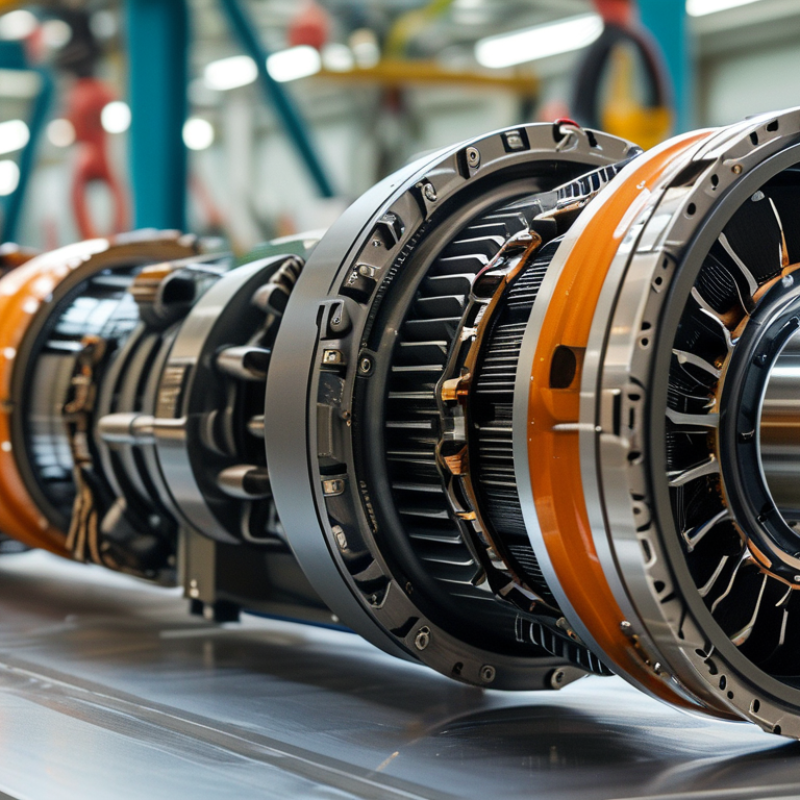
Ultimate Guide to Ultra High Speed Motors Tips for Buyers?

Understanding Ultra High Speed Motors: Key Features and Benefits

Understanding ultra high speed motors involves recognizing their key features and benefits. These motors operate at speeds exceeding 10,000 RPM, offering remarkable efficiency and power in compact designs. They excel in applications like aerospace, automotive, and medical devices. The lightweight and high-torque output are major advantages. Their design reduces energy loss, enhancing performance.

Tips for buyers include evaluating the motor's specifications carefully. Look for the required speed, power output, and torque characteristics relevant to your application. Pay attention to the cooling methods used, as these motors can generate significant heat. Additionally, consider the reliability of the manufacturer and their track record. It’s essential to choose a motor that aligns with your operational needs while ensuring longevity and durability.

Not all ultra high speed motors are created equal. Some may not perform as advertised. Issues like vibration and noise can arise if not properly managed. It’s worth spending time on research and reviews to avoid pitfalls. A solid understanding of these components can lead to better investment decisions.

Ultimate Guide to Ultra High Speed Motors: Key Features and Benefits

Feature Description Benefits
High RPM Operates at very high revolutions per minute (RPM). Enables faster production and reduced operational time.
Compact Design Smaller physical footprint compared to traditional motors. Ideal for limited space applications and lightweight machinery.
Energy Efficiency Designed to maximize energy consumption and minimize waste. Reduces electricity costs and ecological footprint.
Superb Cooling Advanced cooling mechanisms to prevent overheating. Enhances motor longevity and performance reliability.
Precision Control Equipped with advanced control electronics for accurate speed management. Facilitates high precision tasks and improves process quality.

Types of Ultra High Speed Motors: Selecting the Right Model for Your Needs

Choosing the right ultra high-speed motor can be daunting. There are various types available, each suited for specific applications. High-speed brushless motors shine in robotics and precision machining. They excel in durability and efficiency. If your project requires low maintenance, these are ideal.

Induction motors, while less common, are reliable for steady operations. However, they may lack the speed of brushless variants. It’s important to assess your performance needs. For applications that demand quick response times, direct drive motors are a game changer. They reduce lag and maintain control in dynamic environments.

Consider your power supply and cooling requirements too. Some motors generate significant heat. This can lead to performance issues if not managed. Don’t overlook these factors in your selection process. Balancing speed, efficiency, and thermal management is crucial. Reflect on your operational goals and limitations. Making informed decisions will yield better results in the long run.

Factors to Consider When Buying Ultra High Speed Motors

When considering the purchase of ultra high-speed motors, several factors play a crucial role. The motor's design is fundamental. Consider the rotor type and the winding arrangement. These elements significantly influence efficiency and performance. Data from the International Electrotechnical Commission shows that rotor design directly affects the torque and speed characteristics.

Temperature management is another key factor. High-speed motors generate heat, which can lead to failure if not properly managed. Research indicates that motors operating above 30,000 RPM can produce considerable thermal stress. Assess the cooling systems available for the motor. Liquid cooling may be needed for optimal performance.

Noise and vibration levels are often overlooked but are vital considerations. High-speed operation can lead to increased noise and vibration, impacting the overall system. Over 70% of operators reported that minimizing vibration improved equipment longevity. Evaluate how the motor's mounting affects these factors. Hence, while selecting ultra high-speed motors, pay attention to these details for a reliable and efficient operation.

Ultra High Speed Motors Performance Comparison

Maintenance Tips for Optimal Performance of Ultra High Speed Motors

Ultra high-speed motors require proper maintenance to ensure they perform optimally. Regular inspection is crucial. Look for signs of wear, such as unusual noise or vibration. These indicators can signal underlying issues that need immediate attention.

One tip is to maintain a clean environment around the motor. Dust and debris can affect performance over time. Keeping the area clean helps to prevent overheating. Additionally, lubrication is vital. Ensure that all moving parts are well-lubricated. Over time, lubrication can break down. Regular checks on lubrication levels can make a huge difference.

Another important aspect is monitoring the temperature. High-speed motors generate heat. Implement a system to monitor temperature closely. If it consistently runs hot, it may need further assessment. Ignoring this can lead to catastrophic failure. Always remember, proactive maintenance is the key to extending the lifespan of ultra high-speed motors.

Common Applications of Ultra High Speed Motors in Various Industries

Ultra high speed motors are gaining traction across various industries. In the aerospace sector, these motors are crucial for applications like jet engines and UAVs. According to a recent report by the International Air Transport Association, the aerospace market is expected to grow by 4.5% annually, driving the demand for efficient propulsion systems. Ultra high speed motors enhance performance while reducing weight, a critical factor in aviation.

In the automotive industry, ultra high speed motors contribute to electric vehicles (EVs) and hybrid systems. The global electric vehicle market is projected to reach $802.81 billion by 2027, as per Allied Market Research. This surge is fueled by the need for faster charging and improved energy efficiency. However, the transition to ultra high speed systems brings challenges in thermal management and electromagnetic interference. These must be addressed for optimal performance.

Medical devices also utilize ultra high speed motors in applications like MRI machines and surgical robots. The market for medical robotics is expected to reach $29.9 billion by 2025, according to a study by MarketsandMarkets. High-speed motors provide precision and reliability. Yet, developers must remain cautious about the trade-offs between speed and stability. Balancing these factors is vital for patient safety and device functionality.

FAQS

: What defines ultra high speed motors?

: They operate above 10,000 RPM, delivering high efficiency and power in compact designs.

What are common applications for these motors?

They are often used in aerospace, automotive, and medical devices.

Why is the motor's design important?

The rotor type and winding arrangement significantly affect efficiency and performance.

How does temperature affect ultra high speed motors?

They generate heat. Improper management can lead to motor failure and reduced lifespan.

What cooling methods should be considered?

Liquid cooling may be necessary for optimal performance at high speeds.

What issues can arise with ultra high speed motors?

Vibration and noise can occur, impacting both performance and equipment longevity.

How can buyers ensure they choose the right motor?

Evaluating specifications like speed, power output, and torque is crucial for alignment with needs.

What factors contribute to noise and vibration?

The motor's design and mounting significantly influence noise levels during operation.

How should buyers approach research before purchasing?

Read reviews and understand common issues to make an informed investment decision.

Are all ultra high speed motors equally reliable?

No, some may not perform as advertised, necessitating careful selection and research.

Conclusion

The "Ultimate Guide to Ultra High Speed Motors Tips for Buyers" provides an in-depth overview of ultra-high-speed motors, highlighting their key features and benefits. These motors are characterized by their capability to operate at exceptionally high RPMs, making them ideal for applications requiring precision and speed. The guide categorizes various types of ultra-high-speed motors, allowing buyers to select the right model that aligns with their specific requirements.

When considering the purchase of an ultra-high-speed motor, several factors come into play, including power output, efficiency, and compatibility with existing systems. The article also emphasizes the importance of regular maintenance to ensure optimal performance and longevity of these motors. Finally, it explores common applications across various industries, demonstrating the versatility and significance of ultra-high-speed motors in modern engineering and technology.


Madeline

Madeline

Madeline is a dedicated marketing professional with a wealth of expertise in our company's core offerings. With a keen understanding of the industry, she brings a unique perspective to her role, consistently delivering high-quality content that highlights the superior aspects of our products. As......