In the fast-paced world of warehousing and industrial operations, maintaining an optimal climate is essential. Industrial warehouse ceiling fans play a vital role in ensuring that work environments stay cool and comfortable. A well-cooled warehouse not only enhances worker productivity but also reduces potential heat-related issues. Choosing the right fan can be challenging due to the many options available.
These fans are designed specifically for large spaces. They move a significant amount of air, providing effective cooling without consuming excessive energy. With different styles, sizes, and features, it’s important to evaluate your warehouse's unique needs. Factors like ceiling height, air circulation, and existing ventilation systems must be considered for the best results.
Selecting high-quality industrial warehouse ceiling fans also contributes to a sustainable environment. By reducing reliance on air conditioning, businesses can lower their energy bills. Unfortunately, not all fans on the market deliver the advertised performance. It's crucial to invest in reliable options that come from reputable manufacturers. In an industry where every detail matters, making an informed choice can lead to significant improvements in efficiency and comfort.
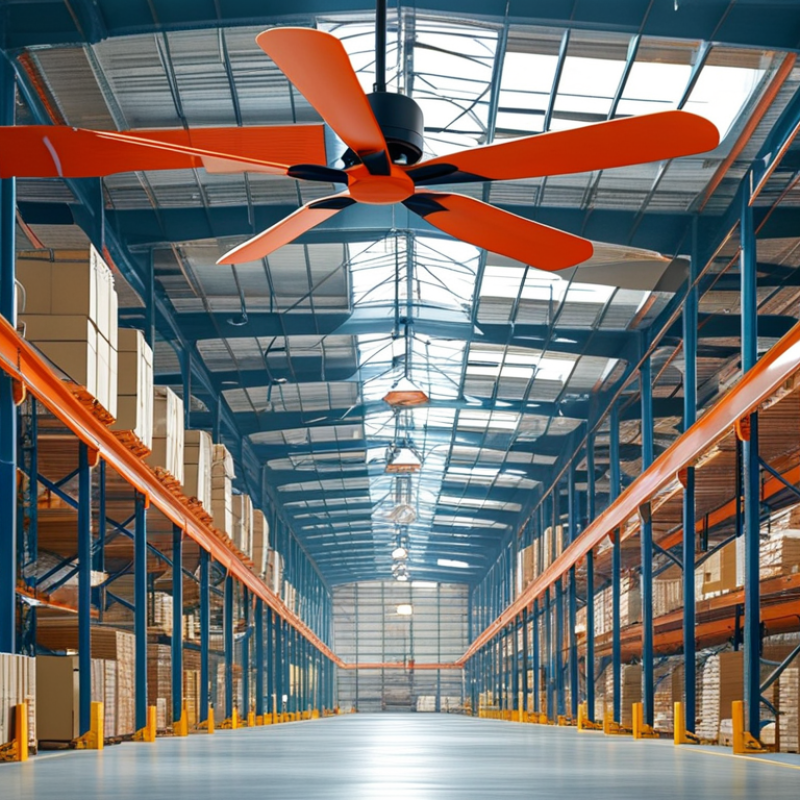
Types of Industrial Warehouse Ceiling Fans Available on the Market
When choosing industrial warehouse ceiling fans, it's crucial to understand the various types available. Generally, these fans can be categorized into three main types: direct drive, belt drive, and high-velocity fans. Direct drive fans are known for their energy efficiency and lower maintenance requirements. According to recent industry data, these fans can save up to 30% on energy costs compared to traditional models.
Belt drive fans, on the other hand, provide higher airflow and are often more durable. They are suitable for larger spaces. However, they require more upkeep and can be noisier. High-velocity fans are portable and best for spot cooling. They excel in situations that require immediate and adjustable airflow. Yet, their use may be limited in larger warehouses due to their smaller coverage area.
It's noteworthy that many industries are moving towards energy-efficient options. Reports indicate that implementing these fans can reduce temperature by 10 to 15 degrees Fahrenheit in large facilities. However, businesses must assess their unique needs and spaces. Improper fan choice can lead to inadequate cooling and increased operational costs. Decision-makers should weigh these factors carefully.
Key Features to Consider When Choosing Industrial Ceiling Fans
When choosing an industrial ceiling fan, several key features should be considered. The size of the fan is crucial. A large fan may not fit in a smaller warehouse, creating a safety hazard. Likewise, a small fan in a vast space may struggle to circulate air effectively. It's vital to measure the area before selection.
Another important factor is the fan's motor power. Stronger motors lift blades efficiently, ensuring optimal airflow. Look for a fan with a variable speed control. This feature allows you to adjust airflow based on the season or specific needs. Noise levels are also significant. Noisy fans can be disruptive in work environments, affecting productivity.
Material quality impacts durability. Fans made from metal or high-grade plastic last longer in demanding environments. Also, consider energy efficiency. A fan that consumes less electricity saves money over time. Finally, maintenance requirements may vary. Some fans need regular lubricating, while others are designed for minimal upkeep. Balancing these factors can lead to better decision-making, though it requires time and consideration.
Benefits of Using Ceiling Fans for Optimal Cooling in Warehouses
Ceiling fans play a crucial role in maintaining optimal cooling within industrial warehouses. They circulate air efficiently, preventing hot spots and creating a more uniform temperature throughout the space. This circulation helps in reducing the reliance on air conditioning, ultimately saving energy costs. Employees can experience improved comfort when air movement is consistent, leading to enhanced productivity.
Moreover, using ceiling fans offers several other benefits. They can help manage humidity and improve air quality by keeping the air fresh. Implementation of fans can potentially reduce dust and airborne particles. However, it is essential to note that fan placement and size matter significantly. Not all fans fit all warehouse sizes.
Regular maintenance is needed to ensure fans operate effectively. Wear and tear can diminish performance, leading to an underwhelming impact on cooling. A thoughtful approach is necessary to evaluate the design and airflow in a facility. Careful consideration can lead to better cooling solutions while addressing potential challenges in fan performance and energy utilization.
Top 10 Industrial Warehouse Ceiling Fans for Optimal Cooling
This bar chart illustrates the airflow (measured in cubic feet per minute, CFM) of the top 10 industrial warehouse ceiling fans, highlighting their efficiency in cooling large spaces. Higher airflow rates contribute to better cooling and comfort in warehouses.
Top Brands and Models of Industrial Warehouse Ceiling Fans
Industrial warehouse ceiling fans play a vital role in maintaining comfort and productivity. Proper cooling is essential in large spaces filled with equipment and personnel. Different models provide unique features. Some fans focus on energy efficiency, while others prioritize airflow displacement.
When selecting a ceiling fan, consider the fan size. Larger warehouses may require fans with longer blades for maximum coverage. The efficiency rating is crucial, as energy consumption impacts operational costs. Look for models that offer variable speed options. This allows you to adjust airflow according to seasonal needs.
Tips for installation include placing fans at least 10 feet above the floor. This height enhances airflow and safety. Regular maintenance helps sustain fan performance. Dust and debris can accumulate over time, affecting efficiency. Some fans have user-friendly designs that simplify cleaning.
Remember, it’s not just about the initial investment. Assess the long-term benefits. An energy-efficient fan can significantly lower utility bills. With proper selection and maintenance, industrial fans can significantly enhance comfort and boost productivity levels in warehouses.
Top 10 Industrial Warehouse Ceiling Fans for Optimal Cooling
| Fan Model |
Airflow (CFM) |
Blade Span (Inches) |
Speed Settings |
Energy Efficiency (Watts) |
Price Range |
| Model A |
20,000 |
72 |
3 |
95 |
$300 - $400 |
| Model B |
18,000 |
60 |
4 |
80 |
$250 - $350 |
| Model C |
22,000 |
96 |
3 |
90 |
$350 - $450 |
| Model D |
19,500 |
84 |
5 |
85 |
$280 - $380 |
| Model E |
21,000 |
92 |
6 |
75 |
$400 - $500 |
| Model F |
17,000 |
56 |
3 |
70 |
$230 - $330 |
| Model G |
23,500 |
100 |
4 |
100 |
$450 - $550 |
| Model H |
20,500 |
78 |
3 |
88 |
$340 - $440 |
| Model I |
18,500 |
66 |
4 |
78 |
$260 - $360 |
| Model J |
22,500 |
90 |
3 |
95 |
$370 - $470 |
Installation and Maintenance Tips for Warehouse Ceiling Fans
When installing warehouse ceiling fans, proper placement is essential. Fans should be mounted at least 10 feet above the ground. This height ensures optimal airflow while minimizing safety hazards. According to a report by the American Society of Heating, Refrigerating and Air-Conditioning Engineers, efficient fan placement can reduce cooling costs by up to 30%.
Maintenance cannot be overlooked. Dust and debris can accumulate on fan blades. This buildup can reduce efficiency and lead to potential breakdowns. Regular cleaning is crucial. Experts recommend checking the fans monthly and scheduling a professional inspection every six months. Neglecting maintenance may lead to unexpected costs. A study from the National Association of Wholesaler-Distributors highlights that regular upkeep can extend the lifespan of equipment by 25%.
Warehouse managers should consider the energy efficiency of their ceiling fans. Some models use significantly less energy than others. However, not all fans are created equal. It's important to research performance ratings before installation. This ensures that the chosen fans will deliver the desired cooling effect. Ignoring this aspect might result in higher electricity bills and inadequate cooling during peak hours.
Conclusion
Industrial warehouse ceiling fans are essential for maintaining optimal cooling in large spaces. This article outlines various types of industrial warehouse ceiling fans available in the market, helping readers understand their functions and benefits. When selecting ceiling fans, it's crucial to consider key features such as size, energy efficiency, noise levels, and airflow capacity to ensure they meet the specific needs of the warehouse environment.
Additionally, the article highlights the numerous benefits of using ceiling fans, such as improved air circulation and temperature control, leading to enhanced comfort for employees and protection for stored goods. It also offers valuable installation and maintenance tips to keep these fans operating efficiently. Overall, choosing the right industrial warehouse ceiling fans can greatly enhance the cooling efficiency and productivity in warehouses.

 Liangzhi Electrical