In today's competitive warehousing environment, maintaining a comfortable climate is crucial. Efficient cooling can enhance employee productivity and protect valuable inventory. HVLS fans for warehouse settings offer a unique solution. These fans provide a cost-effective method to improve airflow and reduce energy costs.
Selecting the right HVLS fans requires careful consideration. Not all options deliver the same performance or efficiency. Factors such as size, design, and placement play important roles. Each fan can differ in air movement capabilities and noise levels. Thus, understanding these elements is key to making an informed choice.
With numerous HVLS fans on the market, it can be overwhelming to determine the best fit. Evaluating features and benefits is essential. Some fans may not deliver the expected cooling power. This guide aims to simplify that process, presenting the top ten HVLS fans for warehouse applications. Choosing wisely can lead to long-term savings and a more pleasant working environment.
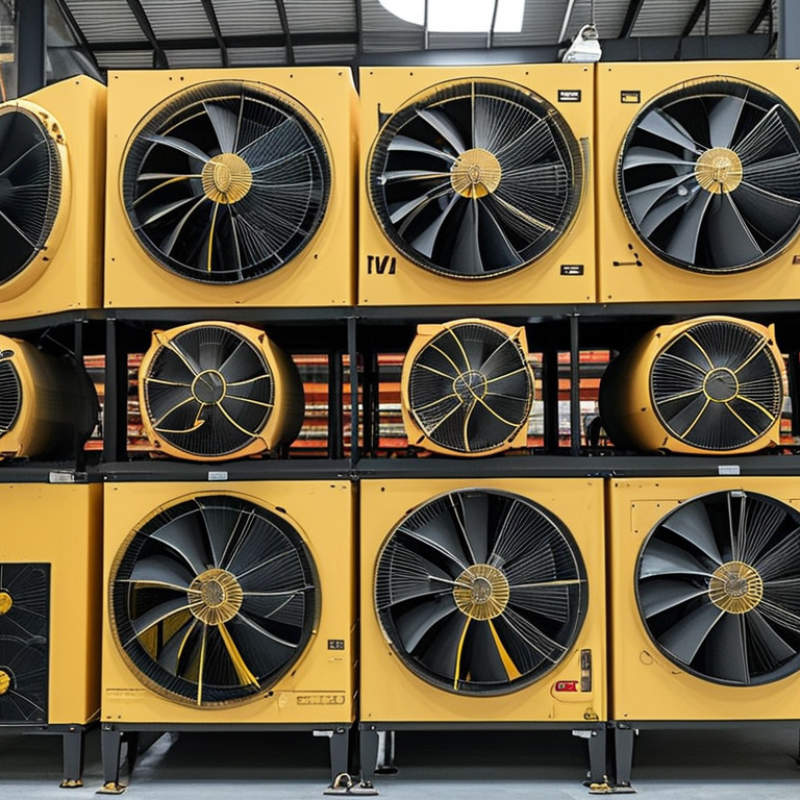
HVLS fans are a game changer for warehouses. Their large blades can move massive amounts of air, covering vast spaces. This efficiency helps maintain a comfortable temperature for workers and stored products. Unlike traditional fans, HVLS fans create a gentle breeze consistent throughout the facility. This improves air circulation, promoting a cooler environment in hot conditions.
The benefits of HVLS fans extend beyond just cooling. They help reduce humidity buildup that can lead to mold and mildew. In turn, this improves the quality of stored goods. Implementing these fans can lead to energy savings, as they circulate air effectively without consuming much power. However, they require thoughtful placement to maximize effectiveness. Some warehouses might find their investment a challenge if not installed correctly.
While the adjustments needed for setup can be daunting, the payoff is worth it. Employees enjoy a fresher atmosphere, leading to enhanced productivity. Warehouse managers should assess their specific needs and conditions. A comprehensive evaluation will ensure these fans provide the desired cooling and air circulation benefits.
When selecting HVLS fans for warehouse cooling efficiency, several key features must be evaluated. Consider fan size carefully. Larger fans create more airflow but need adequate ceiling height. Blade design is crucial for effective air distribution. Wider blades can push air longer distances, creating a comfortable environment. Noise levels also matter; quieter fans minimize distractions in busy workspaces.
Energy efficiency is another essential factor. Fans should help reduce overall energy costs. Look for models with adjustable speeds. This allows tailoring airflow to current needs, enhancing comfort without wasting energy. Additionally, ease of installation and maintenance should not be overlooked. A fan that is difficult to install can lead to higher costs and longer downtime.
A reliable warranty and support from the manufacturer provide peace of mind. These can indicate the quality and durability of the fans. Despite the importance of these factors, user feedback often reveals unforeseen issues. Sometimes, even the best fans struggle to cool every corner of a large space, requiring supplemental systems. Balancing these considerations can be challenging but is essential for creating a productive working environment.
When choosing HVLS fans for warehouse cooling, performance ratings matter significantly. These fans are designed to increase air circulation efficiently. A well-designed HVLS fan delivers airflow consistently across large spaces. This can result in a noticeable reduction in energy costs when compared to traditional cooling solutions. However, it's essential to evaluate different fans' capabilities.
Energy efficiency is another critical aspect. Many fans have unique designs that claim to optimize energy use. Some perform well in small areas but struggle in larger settings. Considering the warehouse layout is vital in making the right choice. A fan that works well in one type of environment may not meet expectations in another.
Reliability is paramount when investing in HVLS fans. Buyers should research customer experiences. Reviews and ratings provide insights but can sometimes be misleading. It’s essential to consider data from multiple sources to make an informed decision. Understanding the nuances of airflow patterns helps in selecting the best option for your needs.
HVLS fans (High-Volume, Low-Speed fans) significantly enhance warehouse working conditions. By improving air circulation, these fans can lower the perceived temperature. Studies indicate that an effective cooling system can increase worker productivity by up to 25%. This is crucial in warehouses, where employees face long hours in hot environments.
Comfortable working conditions lead to higher job satisfaction. According to research, when employees are comfortable, they show increased focus and lower absenteeism. Enhanced airflow can reduce humidity and heat stress. This results in fewer workplace injuries related to heat. Proper ventilation also minimizes odors that may occur in large spaces.
Tip: Consider placing HVLS fans strategically. Position them to cover maximum floor area for optimal cooling. Regular maintenance ensures fans operate efficiently. Check for dust buildup and mechanical wear. Investing time in upkeep can boost performance and longevity.
Remember, worker comfort is not just about temperature. It includes minimizing fatigue. Employees need an environment that supports their well-being for peak productivity. Consider conducting regular surveys to gauge comfort levels and adjust systems accordingly. Such practices create a more engaged and productive workforce.
When considering cooling solutions for warehouses, the cost-benefit analysis reveals significant insights. High Volume Low Speed (HVLS) fans are emerging as effective alternatives to traditional cooling methods. HVLS fans circulate large volumes of air slowly, promoting even airflow. This feature is crucial in vast spaces like warehouses, where temperature control is vital for both comfort and product preservation.
Compared to traditional air conditioning, HVLS fans consume less energy. They operate efficiently, leading to lower electricity bills. In contrast, traditional systems often rely on high energy consumption to achieve desired temperatures. Moreover, HVLS fans require minimal maintenance, which can save on long-term operational costs. This efficiency makes them attractive for warehouse operations looking to optimize cooling without exponentially increasing expenditures.
Tips: Regularly evaluate your cooling needs to determine the most efficient solution. Think about the size of your space and calculate how many fans you'd need. Consider unique factors like the height of your ceiling. Each warehouse has different requirements. Consulting with cooling experts can provide tailored solutions for your situation.
| Model | Diameter (ft) | Airflow (CFM) | Power Consumption (W) | Initial Cost ($) | Annual Savings ($) | Payback Period (years) |
|---|---|---|---|---|---|---|
| Model A | 8 | 30,000 | 350 | 1,500 | 200 | 7.5 |
| Model B | 10 | 40,000 | 450 | 2,000 | 300 | 6.7 |
| Model C | 12 | 50,000 | 550 | 2,500 | 400 | 6.3 |
| Model D | 14 | 60,000 | 650 | 3,000 | 500 | 6.0 |
| Model E | 16 | 70,000 | 750 | 3,500 | 600 | 5.8 |
: Choose a fan size that creates sufficient airflow while considering your ceiling height.
Wider blades can push air over longer distances, enhancing comfort in large spaces.
Efficient fans reduce overall energy costs and allow for adjustable speeds to match airflow needs.
Fans that are hard to install can lead to higher costs and longer downtime.
Research customer experiences, as reviews may not always provide a complete picture.
Improved air circulation can increase productivity by up to 25%, enhancing comfort levels.
Regular checks for dust buildup and mechanical wear can improve performance and longevity.
Strategic placement helps cover maximum floor area for optimal airflow and cooling.
Consider supplemental cooling systems; one fan may not suffice for large areas.
Conduct regular surveys to assess comfort levels and make necessary adjustments.
HVLS fans for warehouse cooling play a crucial role in enhancing air circulation and maintaining optimal temperatures within large spaces. These high-volume, low-speed fans efficiently distribute air, offering significant benefits such as improved energy efficiency compared to traditional cooling methods. When selecting HVLS fans for warehouses, key features to consider include blade design, motor efficiency, and overall size, as these factors influence performance ratings and energy use.
Moreover, HVLS fans positively impact worker comfort and productivity by creating a more pleasant working environment, which can lead to increased efficiency. A thorough cost-benefit analysis reveals that although the initial investment in HVLS fans may be higher, the long-term savings on energy bills and improved worker output can outweigh the costs, making them an ideal solution for warehouse cooling needs.

Liangzhi Electrical