Top 5 Tips for Choosing High Volume Low Speed Ceiling Fans?

Time:2026-06-22 Author:Liam
0%

When choosing high volume low speed ceiling fans, it's essential to consider various factors that impact performance and aesthetics. These fans are not just about moving air; they can enhance the comfort of your space while creating a stylish ambiance. They are known for their energy efficiency and quiet operation, making them ideal for both residential and commercial settings.

However, selecting the right fan can be overwhelming. Many options exist, each with different features and designs. You might find yourself questioning which size, style, or brand suits your needs best. Research is crucial, as not every fan delivers the promised benefits.

Understanding your specific needs is vital. Factors like ceiling height, room size, and airflow needs should guide your decision. Recommendations from experts can also help navigate this process. Keep in mind that the right high volume low speed ceiling fan can transform your space.
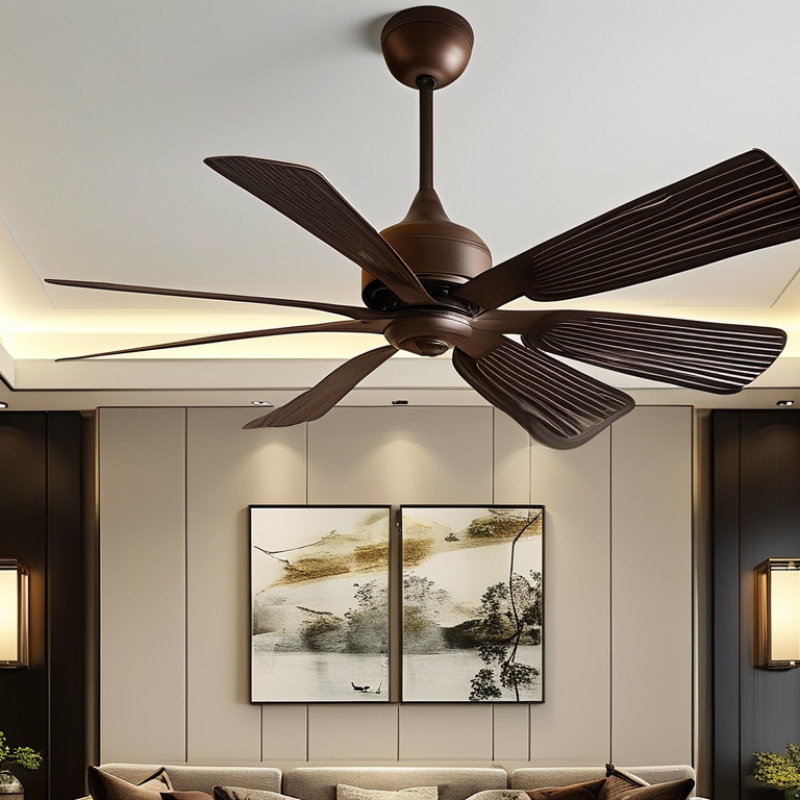
Top 5 Tips for Choosing High Volume Low Speed Ceiling Fans?

Understanding High Volume Low Speed Ceiling Fans

High Volume Low Speed (HVLS) ceiling fans are designed to move large volumes of air gently. They can create a comfortable atmosphere in spaces like warehouses and gyms. The slower blade rotation provides a cooling effect without the discomfort of a strong breeze. Understanding this concept is crucial for making effective choices.

When selecting an HVLS fan, think about the space size. A fan that is too small may not provide enough airflow. Conversely, a fan that is too large could be overwhelming. Blade length and pitch also influence performance. High-quality materials ensure durability. Look for fans with robust construction for long-term use.

Noise levels are another aspect to consider. While HVLS fans are generally quieter than traditional fans, some may produce unwanted sounds. Researching user reviews can provide insights into noise levels. It's also vital to consider installation requirements. A complex setup can lead to frustration. Take the time to evaluate your needs carefully to find the right fit.

Understanding High Volume Low Speed Ceiling Fans

Key Features to Consider for Optimal Performance

When selecting a high volume low speed ceiling fan, it’s vital to consider several features for optimal performance. Blade size plays a crucial role. Larger blades can move more air but require adequate space. Opt for a fan with a blade span that fits your room dimensions. This ensures effective airflow without overwhelming the area.

Motor quality matters too. A well-constructed motor ensures longevity and efficiency. Look for fans with a durable, energy-efficient motor. It may cost more upfront but saves on energy bills and repairs. Also, consider the fan's speed settings. Having multiple speeds gives you control over airflow, adapting to your comfort and the specific room needs.

Finally, consider design elements. The fan's style should complement your space but should not sacrifice functionality. Balance aesthetic appeal with performance. Review user feedback on various models. Sometimes, even highly-rated fans might not suit particular room layouts. Gathering insights from multiple sources enhances your decision-making process.

Assessing Room Size and Fan Placement for Efficiency

When selecting high volume low speed (HVLS) ceiling fans, understanding room size and placement is crucial for efficiency. The American Society of Heating, Refrigerating and Air-Conditioning Engineers (ASHRAE) confirms that correct fan placement can improve air circulation by up to 30%. This improvement not only enhances comfort but also reduces energy costs.

Consider the room's dimensions. For spaces over 1,500 square feet, larger fans with a diameter of at least 7 feet are recommended. Additionally, place fans at a height of 10 to 12 feet for optimal performance. This height makes airflow more effective and avoids disturbing occupants directly. Ensure the fan is centered in the room for even air distribution. This simple adjustment can lead to a more comfortable atmosphere.

Another aspect to factor in is the ceiling height. Fans operate best when there is sufficient space between the blades and the ceiling. A distance of 18 to 24 inches is ideal. Keep in mind, room shape also matters. In irregularly shaped areas, multiple fans might be necessary for adequate airflow. This requires thoughtful planning for a functional and aesthetically pleasing setup.

Material and Design Choices for Aesthetic Integration

When selecting high volume low speed (HVLS) ceiling fans, material and design play a crucial role in aesthetic integration. The fan's construction materials, such as wood and metal, significantly affect both style and performance. For instance, a study by the American Society of Heating, Refrigerating and Air-Conditioning Engineers (ASHRAE) shows that wood blades can create a warmer ambiance, suitable for residential settings, while metal blades often deliver a sleek, modern look that fits industrial spaces. Choosing the right material can enhance the overall visual appeal while providing optimal airflow.

In terms of design, size and style are key considerations. Large fans with a minimalist design can create dramatic focal points in any room. According to the International Ceiling Fan Association, modern fans vary dramatically in style, from rustic to contemporary. A fan with an intricate design can complement traditional decor, while a simple profile meshes well with modern aesthetics. However, some designs might not blend seamlessly with every setting. A poorly chosen fan can disrupt the visual harmony of a room, reminding us that thoughtful integration is essential.

Additionally, colors can heavily influence the perception of space. Light colors may make a room appear larger, while darker hues can provide depth. The trend towards customizable color options continues to rise, enabling homeowners to select fans that truly resonate with their interior design vision. Yet, the availability of such options can lead to overchoice, making thoughtful selection critical.

Top 5 Tips for Choosing High Volume Low Speed Ceiling Fans

Tip Material Choices Design Options Aesthetic Integration
1. Consider Room Size Aluminum or wood for appropriate scale Aerodynamic blade shapes Blend with existing decor
2. Noise Level Composite materials for quieter operation Smooth, sleek designs Harmony with sound-absorbing elements
3. Energy Efficiency Eco-friendly materials like bamboo Modern minimalist styles Coordinating with energy-efficient fixtures
4. Blade Number and Length Strong plastic or metal for durability Unique blade configurations Complements your room's proportions
5. Control Options Quality components for remote and wall controls Smart home integration capabilities Fit seamlessly with your existing tech

Energy Efficiency Ratings and Noise Levels Explained

When selecting a high volume low speed ceiling fan, energy efficiency and noise levels are key factors. Fans are typically assigned energy efficiency ratings, indicating how much airflow they produce for each watt consumed. Look for fans with high ratings to ensure lower energy bills. A well-rated fan moves more air for less electricity, which benefits both your wallet and the environment.

Noise levels can vary significantly among different fans. Opt for fans that operate quietly, especially if they will be used in bedrooms or quiet spaces. Some models are designed to reduce noise, but not all claim this prominently. It's important to test the fan or check reviews from other users about noise. The ideal choice often balances performance with minimal sound, providing comfort without disturbance.

While it’s essential to focus on energy savings, remember that real-world usage can differ. Factors such as room size and ceiling height influence performance. A fan that performs well in one setting might underperform in another. Always reflect on these specific conditions before making a decision. Selecting the right ceiling fan requires careful consideration of these elements to ensure satisfaction and efficiency.

FAQS

: How does room size affect fan efficiency?

: Larger rooms need bigger fans. For areas over 1,500 square feet, use fans with a diameter of at least 7 feet.

What is the best height to install ceiling fans?

Install fans at a height of 10 to 12 feet. This height improves airflow and avoids disturbing occupants directly.

How should fans be positioned for optimal air distribution?

Centering the fan in the room promotes even air distribution. This simple step significantly enhances comfort levels.

What space should be maintained between fan blades and the ceiling?

Maintain an 18 to 24-inch gap. This distance allows optimal airflow and performance from the fan.

Are energy efficiency ratings important when selecting a fan?

Yes, choose fans with high energy efficiency ratings. They move more air while consuming less electricity, saving costs.

How do noise levels impact fan choice?

Select fans that operate quietly. Testing or checking reviews is crucial, especially for bedrooms or quiet spaces.

Can room shape influence fan performance?

Yes, irregularly shaped rooms may require multiple fans for adequate airflow. Plan carefully for both function and aesthetics.

Do real-world conditions affect fan performance?

Absolutely. Factors like room size and ceiling height can impact how well a fan works in a specific space.

Should I consider anything else when choosing a ceiling fan?

Reflect on local environmental factors and personal comfort needs. These can influence your overall satisfaction and efficiency.

Is it common to make mistakes when selecting fans?

Yes, many overlook specific dimensions or conditions. Reflection on these details can lead to better choices in the future.

Conclusion

When selecting high volume low speed ceiling fans, it's essential to understand their unique capabilities and features. These fans are designed to circulate large amounts of air at low speeds, creating a comfortable atmosphere without the disruptive noise of traditional fans. Key features to consider include motor efficiency, blade design, and the overall build quality, which contribute significantly to their performance and durability.

Furthermore, assessing room size and proper fan placement is crucial for maximizing airflow and enhancing efficiency. The aesthetic aspect should not be overlooked; choosing the right materials and designs can ensure that the fan integrates seamlessly with your interior decor. Lastly, paying attention to energy efficiency ratings and noise levels will help you select a fan that meets your environmental and comfort needs while operating quietly. By keeping these factors in mind, you can find the ideal high volume low speed ceiling fans for your space.


Liam

Liam

Liam is a dedicated marketing professional with a profound expertise in the industry, where he excels at highlighting the unique advantages of our core products. With a keen understanding of market trends and consumer needs, Liam frequently updates our company’s professional blog, providing......