Why Choose Low-speed External Rotor Motors for Your Applications?

Time:2026-08-19 Author:Liam
0%

Low-speed External Rotor Motors are gaining attention in various applications due to their unique advantages. Expert John Reynolds, a leader in motor technology, notes, "These motors provide excellent efficiency at reduced speeds." This insight reflects the growing demand in multiple industries for energy-efficient solutions.

The design of Low-speed External Rotor Motors offers significant benefits. With external rotor designs, these motors can reduce overall size and weight, making them ideal for compact applications. Many users appreciate their quiet operation and reliability. However, challenges remain, such as their limited availability and potential complexity in integration.

As industries seek sustainable advantages, Low-speed External Rotor Motors stand out. Their performance in demanding applications often leads to better energy consumption. It’s essential for businesses to evaluate both the benefits and limitations in adopting these motors. With continuous advancements, the future looks promising for this technology.
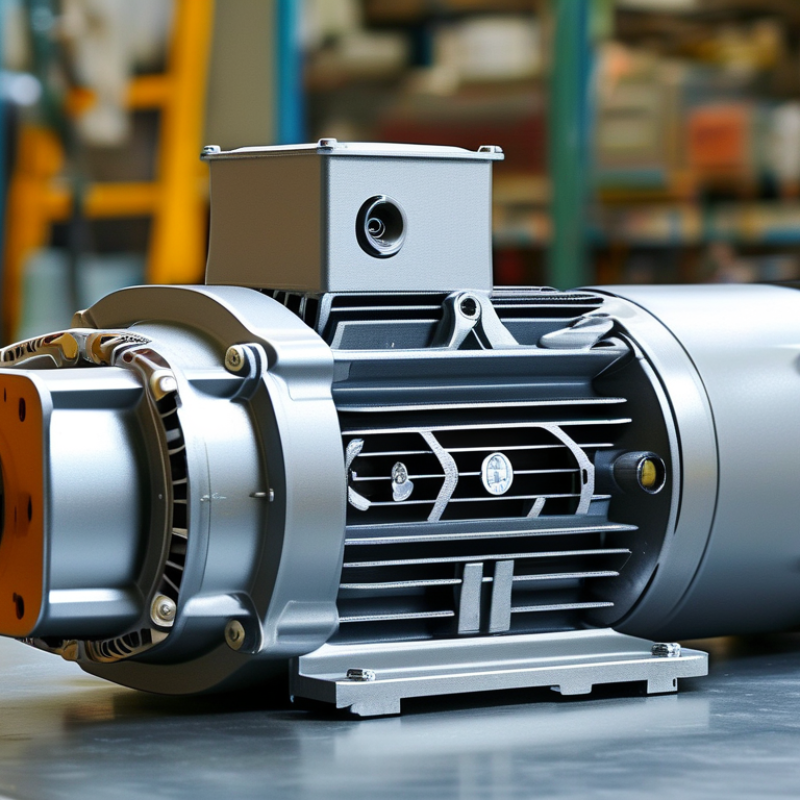
Why Choose Low-speed External Rotor Motors for Your Applications?

Advantages of Low-speed External Rotor Motors in Various Applications

Low-speed external rotor motors offer unique advantages for various applications. Their design allows for smoother operation and enhanced cooling. This makes them particularly suitable for industrial fans and blowers. The external rotor configuration contributes to improved efficiency by reducing energy loss. These motors are often favored in heating, ventilation, and air conditioning (HVAC) systems.

When selecting a low-speed external rotor motor, consider the specific application requirements. Focus on torque, speed, and efficiency. These factors influence overall performance. A well-chosen motor can enhance system reliability. It is also essential to evaluate the noise levels. Though many motors operate quietly, some may produce unwanted sounds at low speeds.

Tips: Ensure proper mounting for optimal performance. Overheating issues can arise from improper alignment. Regular maintenance is crucial for long-term use. Inspect the motor for wear and tear periodically. A proactive approach can save costs and improve efficiency. Always be aware of the possible trade-offs. Sometimes, a more straightforward motor may suit your needs better than a high-performance option.

Why Choose Low-speed External Rotor Motors for Your Applications? - Advantages of Low-speed External Rotor Motors in Various Applications

Application Area Advantages Efficiency (%) Typical Speed (RPM) Noise Level (dB)
HVAC Systems High efficiency, low noise, compact design 85 600 45
Pumps Reliable torque at low speeds, energy saving 90 400 50
Industrial Fans High airflow, low energy consumption 88 500 55
Medical Equipment Silent operation, precision control 92 300 40
Electric Vehicles Enhanced torque, space-saving design 95 800 60

Key Features of Low-speed External Rotor Motors Compared to Conventional Motors

Low-speed external rotor motors offer distinct advantages over conventional motors in various applications. These motors feature an outer rotor, which provides more torque at lower speeds. This design allows for efficient heat dissipation. With reduced vibration and noise, they are ideal for quiet operations in sensitive environments.

A critical aspect is their compact form. The external rotor design makes these motors smaller, which is valuable in tight spaces. They are also lighter than traditional designs, enhancing portability. Low-speed external rotor motors require less maintenance, thanks to fewer moving parts.

While they shine in specific scenarios, these motors do have limitations. Their performance can decrease under heavy loads. Users should carefully assess the application's demands. Not all settings benefit equally from low-speed external rotor motors. Balancing efficiency and performance is crucial for optimal results.

Energy Efficiency and Cost Savings of Using Low-speed External Rotor Motors

Low-speed external rotor motors stand out for their energy efficiency. These motors operate at lower RPMs, reducing energy consumption significantly. Reports indicate that they can achieve up to 90% efficiency under optimal conditions. This high efficiency translates directly into cost savings for businesses. Industries using these motors often see reductions in their energy bills, contributing to a more sustainable operation.

Cost savings extend beyond just energy consumption. Maintenance costs are lower, as these motors often have fewer parts that wear out. The external rotor design can enhance cooling, which reduces the risk of overheating. According to industry reports, businesses can save up to 30% on maintenance compared to traditional motor designs. While the initial investment might seem high, the total cost of ownership declines significantly over time.

However, it is essential to consider the application needs carefully. Not all operations benefit equally from low-speed external rotor motors. Factors such as load demands and operational context matter. Some users may find they require more power or speed than these motors can provide. Choosing the right motor type should involve a thorough evaluation of both current and future needs. Ensuring the right match can optimize performance and efficiency.

Common Applications for Low-speed External Rotor Motors in Industry

Low-speed external rotor motors have gained traction in various industrial applications. Their design offers unique advantages. These motors are commonly used in HVAC systems for efficient airflow. Their external rotor allows for better heat dissipation, making them reliable in hot environments. They are often found in large exhaust fans or ventilation systems.

In addition to HVAC, these motors serve in conveyor systems. Their low-speed operation ensures smooth movement of products. They deal with heavy loads without overheating. This makes them ideal for manufacturing and assembly lines. Furthermore, they find applications in industrial mixers. The robust torque delivery allows for thorough mixing of materials.

While low-speed external rotor motors are effective, they also present challenges. Users may encounter issues with installation if not carefully planned. Maintenance can be tricky due to their design. Regular checks are essential to ensure peak performance. Understanding these nuances helps in making informed decisions.

Technical Considerations When Choosing Low-speed External Rotor Motors

When selecting low-speed external rotor motors, consider various technical aspects. One key factor is the motor's efficiency. These motors tend to have better thermal management. Improved thermal performance often leads to prolonged lifespan and reduced operational costs. Efficiency ratings can vary, so careful evaluation is necessary.

Another aspect is the torque output. Low-speed external rotor motors provide high torque at low speeds. This characteristic is ideal for applications requiring precision and power. However, it's essential to match the motor’s specifications to the application. Misalignment can lead to operational challenges.

Noise levels are also crucial. Many applications need quieter operation, especially in residential or sensitive environments. While external rotor motors generally operate smoothly, variations exist across designs. Evaluating noise reduction technologies can help inform your choice. Overall, understanding these technical considerations can make a significant difference in performance and reliability.

FAQS

: What are the primary benefits of low-speed external rotor motors?

: They provide smoother operation and better cooling. This is ideal for applications like industrial fans.

Which systems commonly use low-speed external rotor motors?

They are widely used in heating, ventilation, and air conditioning systems for efficient airflow.

What should I consider when selecting a low-speed external rotor motor?

Focus on torque, speed, and efficiency. These factors greatly impact overall performance and reliability.

Can low-speed external rotor motors be noisy?

Yes, while many operate quietly, some may produce unwanted sounds at lower speeds.

How can I ensure optimal performance of these motors?

Proper mounting is essential. Misalignment can lead to overheating issues, affecting functionality.

Is regular maintenance important for low-speed external rotor motors?

Yes, periodic inspections for wear and tear are crucial for longevity and cost-saving.

What applications benefit from low-speed external rotor motors?

They are effective in conveyor systems, ensuring smooth movement under heavy loads without overheating.

Are there challenges associated with using these motors?

Yes, installation can be tricky, and regular maintenance may be complicated due to their design.

How does the external rotor design enhance performance?

It improves heat dissipation, making them reliable in hot environments like large exhaust fans.

Should I always choose a high-performance motor?

Not necessarily. Sometimes, a simpler motor might better meet your needs than a high-performance option.

Conclusion

Low-speed External Rotor Motors offer numerous advantages for various applications, particularly in environments where energy efficiency and operational cost savings are critical. These motors are designed with the rotor on the outside, which allows for a more compact design and improved thermal management, resulting in better performance and longevity compared to conventional motors. The unique construction not only enhances the torque output but also reduces vibration and noise levels, making them suitable for sensitive applications.

In addition to their technical benefits, Low-speed External Rotor Motors can significantly contribute to energy efficiency, driving down operating costs in the long run. Commonly employed in industries such as HVAC, automotive, and manufacturing, these motors are becoming increasingly popular due to their reliability and adaptability. When selecting a Low-speed External Rotor Motor, it is essential to consider factors such as load requirements, environmental conditions, and integration with existing systems to ensure optimal performance.


Liam

Liam

Liam is a dedicated marketing professional with a profound expertise in the industry, where he excels at highlighting the unique advantages of our core products. With a keen understanding of market trends and consumer needs, Liam frequently updates our company’s professional blog, providing......