Choosing the right commercial HVLS fan can transform large spaces. These fans are designed to circulate air efficiently and reduce energy costs. According to the American Society of Heating, Refrigerating and Air-Conditioning Engineers (ASHRAE), proper airflow can lead to a 30% decrease in cooling costs. This makes the selection process critical for any business.
Expert Mark Johnson, a renowned HVAC consultant, states, "The impact of a well-chosen commercial HVLS fan is profound in reducing overhead." His insights reinforce the importance of understanding the unique needs of your space. Factors like ceiling height, room layout, and airflow requirements play a significant role in your decision.
Selecting an HVLS fan isn't merely about brands or price. It's about finding the right match for your environment. This process can be daunting. Businesses may struggle to analyze their options effectively. However, investing time in research is worth it. A well-installed commercial HVLS fan can lead to long-term savings and improve comfort levels.
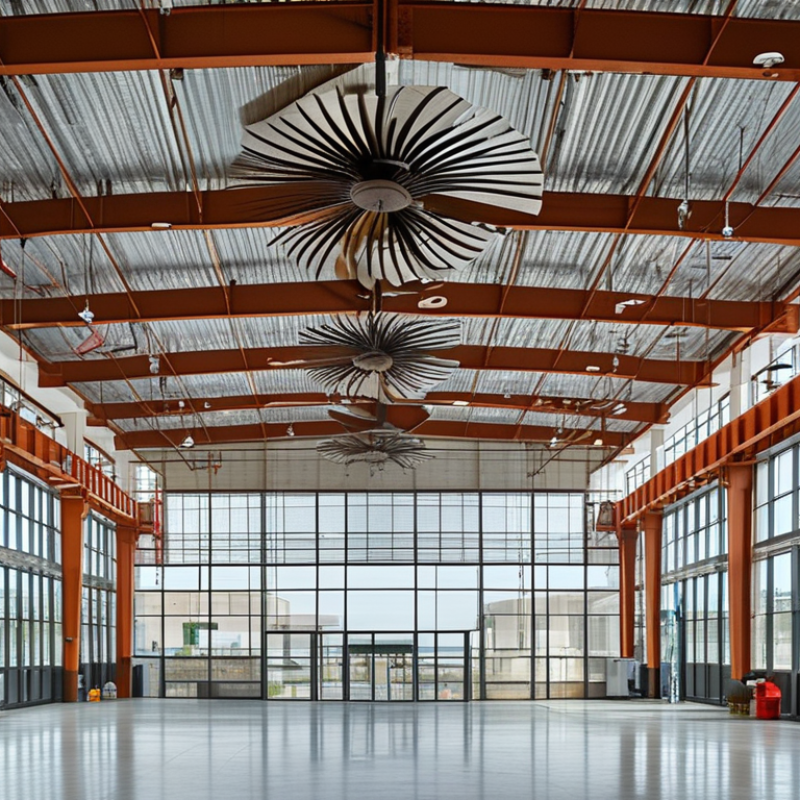
HVLS fans, or High Volume Low Speed fans, are an innovative solution designed to optimize airflow in large spaces. They operate on the principle of moving a significant volume of air at low speeds, providing efficient cooling without the chill of high-velocity fans. Unlike traditional fans, HVLS fans create a gentle breeze that can evenly distribute air, leading to improved comfort and reduced energy costs. This makes them particularly suitable for warehouses, gyms, and large retail spaces.
When choosing an HVLS fan, consider the ceiling height and the fan diameter. A fan that is too small won’t circulate air effectively, while one that is too large may be counterproductive. Pay attention to the blade design and materials as well. Efficient blade shapes generate better airflow with minimal energy consumption.
Tips: Always check the air delivery rate before making a purchase. Install your fan at the right height; it should be 10 to 15 feet off the floor. This positioning enhances airflow and avoids excessive noise. Don't forget to assess the intensity of use in your space. If noise levels are a concern, quieter motors may be necessary. Remember, choosing the right fan requires a balance between your specific needs and the fan's capabilities.
: Consider space size, airflow efficiency, noise levels, installation complexity, and cost analysis.
Larger fans work best in big areas like warehouses. Smaller fans suit compact spaces.
Airflow is measured in cubic feet per minute (CFM). Higher CFM equals better air circulation.
Some fans require frequent maintenance, which can increase overall costs. Assess this before buying.
Energy-efficient fans consume less power and save on utility bills. Look for quality materials and designs.
Proper positioning maximizes airflow efficiency. Consider the layout of your space for the best results.
Yes, higher costs may lead to long-term energy savings. Cheaper fans often bring higher operating expenses.
Features like variable speed settings allow airflow adjustment, enhancing energy usage optimization.
Some fans are quieter than others. Choose based on your tolerance for sound in your environment.
Longer warranties provide peace of mind. Evaluate support options as they can affect long-term satisfaction.
When selecting the best commercial HVLS fan for your space, it's essential to understand what makes these fans unique. HVLS stands for High-Volume Low-Speed, which allows for large amounts of air to be moved efficiently at low speeds, creating a comfortable environment in large areas. Key factors to consider include the fan size, the height of the ceiling, and the specific airflow needs depending on the usage of the space.
Calculating the required airflow is crucial for ensuring optimal comfort, while also assessing energy efficiency and operating costs can help in making a cost-effective choice. Moreover, understanding installation requirements and maintenance tips is vital for ensuring the long-lasting performance of the chosen commercial HVLS fan. By taking these elements into account, you can make an informed decision that meets your specific needs.

 Liangzhi Electrical