In the realm of industrial efficiency, selecting the right large warehouse fans is crucial for optimizing airflow. As noted by industry expert John Anderson, "Proper ventilation is the backbone of any efficient warehouse." Large warehouse fans not only enhance air circulation but also improve working conditions, making them essential for productivity.
These fans come in various sizes and designs, tailored for specific warehouse layouts. They mitigate hotspots, ensuring that workers remain comfortable throughout their shifts. However, not all large warehouse fans are created equal. Factors such as energy consumption and noise levels can significantly impact their effectiveness.
In considering the best options, one must reflect on the particular needs of a space. Are the fans easily adjustable? Do they fit the warehouse's size and height? A mindful choice can lead to remarkable improvements in air quality and worker satisfaction, making the investment in large warehouse fans both practical and essential.
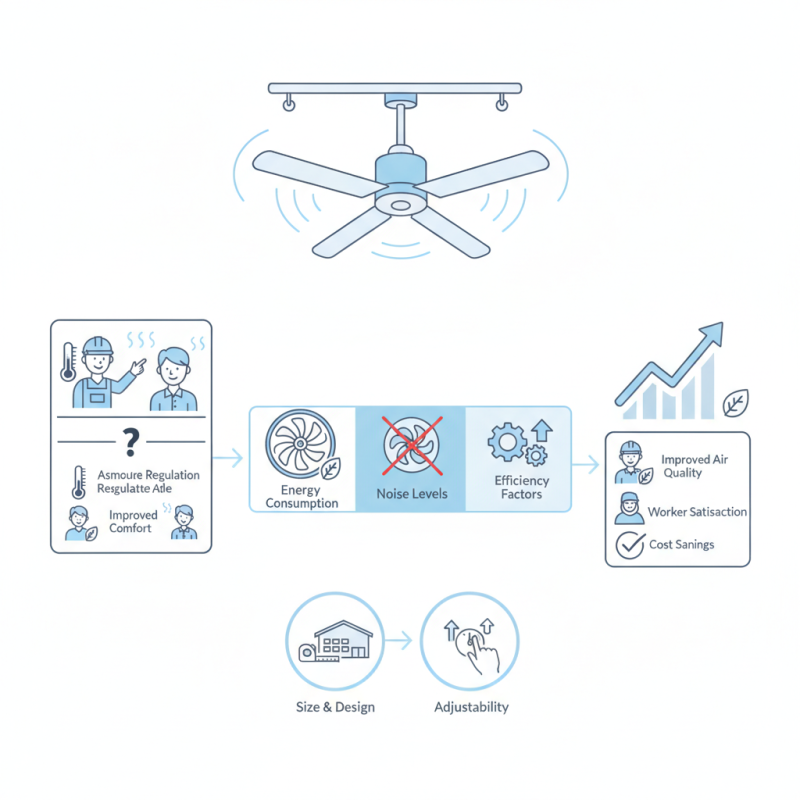
In large warehouses, adequate airflow is crucial for maintaining a productive environment. Poor air circulation can lead to discomfort, reduced productivity, and potential damage to stored goods. Efficient airflow reduces humidity and keeps temperatures stable, leading to happier workers and lower energy costs. Understanding airflow dynamics helps optimize the use of large warehouse fans.
To enhance airflow, consider the layout of your warehouse. Tall shelves and machinery may block air movements. Positioning fans strategically can help overcome these obstacles. Aim for a balance of airflow throughout the space. Monitor temperature variations at different points. This will highlight areas needing improvement.
Here are some tips for optimal air circulation: use multiple fans to create a consistent airflow pattern. Adjust fan speeds based on specific seasonal needs. Regular maintenance of fans is essential. Dust and debris can limit their efficiency. Always check fan placements and orientations. Little changes can yield significant results.
When selecting large warehouse fans, consider several key features that enhance efficiency and airflow. First, fan size and blade design significantly affect airflow. Fans with larger diameters can move more air. Reports show that fans with wider blades can increase airflow by up to 40%. This is crucial in large spaces where air circulation is essential for comfort and productivity.
Another vital feature is the motor type. Industrial-grade fans often have variable speed motors, allowing adjustments based on real-time needs. Studies indicate that variable speed settings can save energy by up to 30% compared to fixed-speed motors. Additionally, look for fans with high-efficiency ratings. Fans with an efficiency of over 70% not only provide better airflow but also decrease operational costs over time.
Furthermore, consider installation and noise levels. Fans designed for easy installation can save both time and labor costs. Noise output should also be a factor; quieter fans are more suitable for environments where employees need to focus. A detailed analysis from the Industrial Fan Association highlights that noise levels above 70 decibels can disrupt work. Balancing performance and comfort is key.
This chart displays the airflow capacity (in cubic feet per minute, CFM) of various large warehouse fan models. Choosing the right fan model can significantly improve efficiency and air circulation in large spaces.
Large warehouses require efficient ventilation to maintain a comfortable working environment. The right fan can significantly improve airflow and productivity levels. Many reputable brands offer various models designed to cater to these needs. Employees benefit from constant air circulation, which reduces heat buildup and enhances comfort.
When selecting a fan, consider the size of your warehouse and specific airflow requirements. Some fans promote cooling through high-velocity airflow, while others provide broader coverage for expansive spaces. It's vital to assess the features that matter most, such as noise levels and energy efficiency. A quieter fan is often preferable for workplaces to avoid distractions.
Not all warehouse fans perform equally. Some might not meet the efficiency expectations set by customers. It’s essential to check reviews and seek insights from other users. Over time, maintaining optimal airflow is critical. Regular cleaning and inspections help prevent efficiency losses. Choosing a fan shouldn't be rushed; understanding your needs and evaluating options is crucial for achieving the best results.
When selecting large warehouse fans, understanding the differences between direct drive and belt drive fans is crucial. Direct drive fans use a motor directly connected to the fan blade. This design minimizes maintenance needs and provides high efficiency. They generate less noise and have fewer moving parts, which appeals to many users. However, they might face challenges in high-load settings.
On the other hand, belt drive fans have a motor that spins a belt, which in turn drives the blades. This setup allows for adjustable speeds and higher torque. It can be more effective in situations requiring substantial airflow. Maintenance is a consideration, though; belts may need replacement over time. While users might appreciate the flexibility, the noise level can be a drawback.
Both options have their merits and drawbacks. Direct drive fans excel in low-maintenance environments, while belt drive fans offer adaptability in performance. Evaluating workload, noise tolerance, and airflow needs can help in decision-making. Each fan type comes with inherent trade-offs that users must weigh for optimal efficiency and airflow.
| Feature | Direct Drive Fans | Belt Drive Fans |
|---|---|---|
| Initial Cost | Lower | Higher |
| Maintenance Frequency | Less frequent | More frequent |
| Energy Efficiency | Moderate | High |
| Noise Level | Lower | Higher |
| Airflow Capacity | High | Very High |
| Installation Complexity | Simpler | More Complex |
| Lifespan | Longer | Shorter |
Maintaining large warehouse fans is vital for optimal performance and airflow. A clean fan ensures better efficiency. Dust and debris can accumulate over time. Regularly wiping down blades and grills improves air circulation. Check filters monthly, too. If they’re dirty, replace or clean them. This simple habit can greatly extend the fan's lifespan.
It's also crucial to inspect the motor and wiring. Look for signs of wear. Tighten any loose screws or connections. This not only helps the fan run smoothly but also prevents unexpected breakdowns. Schedule professional maintenance annually. Their expertise can catch issues you might overlook. Using these maintenance tips can ensure your fans operate at peak efficiency.
: Adequate airflow keeps temperatures stable and reduces humidity. This creates a more comfortable working environment.
Poor air circulation leads to discomfort and can lower overall productivity. Workers may feel fatigued and less motivated.
Warehouse layout is crucial. Tall shelves and machinery often obstruct airflow patterns, making circulation uneven.
Position fans strategically and use multiple units to create consistent airflow. Balanced air distribution improves conditions.
Regularly clean fan blades and grills. Check and replace filters monthly to maintain optimal performance and efficiency.
Inspect fans monthly for dust buildup. Annual professional maintenance can identify issues that may go unnoticed.
Wiping down blades regularly prevents dust accumulation, improving airflow and extending the life of the fan.
Check for loose screws or damaged wiring. Tighten connections to ensure smooth operation and reduce breakdown risks.
Yes, adjusting speeds according to seasonal needs allows for better temperature control and energy savings in the warehouse.
Monitoring temperature in different areas highlights spots needing airflow improvement. Adjusting fans accordingly leads to better circulation.
In large warehouses, maintaining adequate airflow is crucial for operational efficiency and comfort. Understanding the importance of proper ventilation can significantly enhance productivity and employee well-being. When selecting large warehouse fans, it is essential to consider key features such as airflow capacity, energy efficiency, and durability. A comparative analysis of direct drive versus belt drive fans reveals distinct advantages in performance and maintenance requirements, guiding users in making informed choices.
To ensure the longevity and effectiveness of large warehouse fans, regular maintenance is vital. Implementing proper upkeep can optimize fan performance, reducing energy costs and extending the lifespan of the equipment. By focusing on these considerations, warehouses can achieve maximum airflow and efficiency, ultimately leading to a more productive environment.

Liangzhi Electrical