Finding the right huge industrial fans is crucial for efficient air circulation in large spaces. These fans are designed to move significant volumes of air, enhancing comfort and productivity. Industries like warehouses, manufacturing units, and gyms benefit immensely from proper ventilation.
Huge industrial fans can reduce humidity and improve air quality. However, selecting the appropriate model can be challenging. Different environments require specific features. For instance, some fans may need to be more durable for rugged settings. Others should focus on noise reduction for quieter workspaces.
Understanding your unique needs is vital. It's not just about size; it's about performance and effectiveness. You might face frustration if the chosen fan falls short. Therefore, consider factors such as energy efficiency and maintenance. The right fan can transform an oppressive atmosphere into a pleasant one.
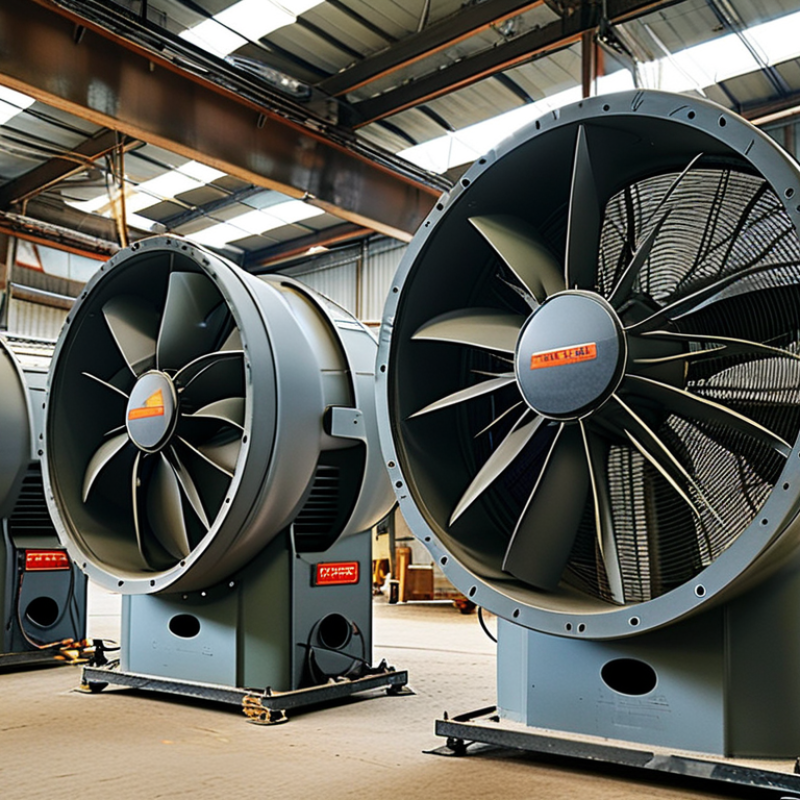
Industrial fans are essential for large spaces. They come in various types, each serving unique applications. Firstly, axial fans are commonly found in warehouses. They create a strong airflow parallel to the fan's axis. This design efficiently circulates air in open areas.
Centrifugal fans, on the other hand, are suitable for enclosed spaces. They draw air into the fan and expel it at right angles. These fans are ideal for ventilation in factories. They help control temperature and humidity levels. High-speed paddle fans also play a crucial role. They offer versatility and can move air effectively in various settings.
However, choosing the right fan is not straightforward. Consider factors like space size and air circulation needs. Improper selection may lead to inefficiencies, wasting energy and resources. It’s essential to balance performance with environmental impact. Understanding specific requirements is vital for optimal efficiency.
| Type of Fan | Description | Applications | Airflow Capacity (CFM) | Energy Efficiency Rating |
|---|---|---|---|---|
| High-Volume Low-Speed (HVLS) Fan | Large fans designed to move large volumes of air at low speeds. | Warehouses, gyms, manufacturing plants | 20,000 - 100,000 CFM | Up to 90% efficiency |
| Portable Industrial Fan | Mobile fans that can be easily relocated to different areas. | Construction sites, outdoor events | 5,000 - 25,000 CFM | 70% - 85% efficiency |
| Exhaust Fan | Designed to remove stale air and pollutants from spaces. | Factories, kitchens, warehouses | 10,000 - 35,000 CFM | 80% efficiency |
| Ceiling Exhaust Fan | Mounted on ceilings for efficient air movement and ventilation. | Commercial kitchens, warehouses | 3,000 - 12,000 CFM | 75% efficiency |
When selecting industrial fans for optimal air circulation, several key features are essential. First, consider the airflow capacity, measured in cubic feet per minute (CFM). According to industry reports, fans with a higher CFM rating can cover larger areas efficiently. For example, a fan with 10,000 CFM can ventilate sizable warehouses or factories effectively.
Blade design also plays a critical role. Fans equipped with aerodynamically designed blades can move air more efficiently. This design reduces energy consumption and enhances air distribution. Additionally, look for fans with adjustable speeds. Reports indicate that fans with variable speed settings save up to 30% on energy costs compared to models with fixed speeds.
Tips: Ensure your fan supports your facility's layout. Focusing on airflow patterns can decrease heating and cooling costs. Regular maintenance is also crucial. Dust and debris can accumulate on blades, reducing efficiency. Even a slight drop in performance can lead to significant energy waste over time. Understanding your space and needs will lead to better air circulation solutions.
This chart illustrates the efficiency ratings of various huge industrial fans based on their airflow (CFM - Cubic Feet per Minute) and energy consumption (Watt). These values help in understanding which fans provide the best air circulation efficiency.
When selecting industrial fans for optimal air circulation, understanding the key features is essential. Size, airflow capacity, and energy efficiency significantly impact performance. Large fans can move more air, enhancing comfort and ventilation in vast spaces. Pay attention to fan blade design. Blades with wider spans can cover larger areas effectively.
Efficient air circulation can transform workplace environments. However, not all fans are created equal. It's crucial to consider noise levels, especially in quiet operations. Assessing energy consumption can lead to cost-effective solutions over time. Look for models that balance power with efficiency.
Each brand offers unique products, often tailored for specific industrial needs. Some models excel in high-temperature environments, while others focus on durability. User reviews and expert insights can guide informed decisions. Remember that maintaining your fan is vital for long-lasting performance. Regular cleaning and inspections are necessary for optimal airflow.
When choosing huge industrial fans, proper installation and maintenance are crucial for optimal performance. Before installation, assess the space. Consider ceiling height and airflow direction. Ensure the fan is mounted securely to avoid vibrations. Sometimes, improper alignment leads to noise issues. Address this before usage. The spacing of the fan blades is just as important. An improper gap may result in inefficient air circulation.
Regular maintenance is vital for longevity. Clean the blades and motor regularly to prevent dust buildup. Accumulation can hinder airflow. Check connections and bolts to ensure everything is secure. Noise can indicate a problem, so investigate any unusual sounds. It's essential to develop a maintenance schedule tailored to your operation's demands. Failure to do so may lead to unexpected downtime. Regular checks help identify minor issues before they escalate. Remember, an ounce of prevention is worth a pound of cure.
When considering large industrial fans, energy efficiency is paramount. These fans often consume significant electricity, impacting operational costs. According to the U.S. Department of Energy, industrial fans can account for up to 20% of a facility's energy use. Thus, choosing energy-efficient models can yield substantial savings. High-efficiency motors and variable frequency drives can increase efficiency by 20% or more.
Cost considerations also extend to maintenance and longevity. Industrial fans require regular upkeep to remain efficient. Poor maintenance can lead to increased energy consumption. A report from the American Society of Mechanical Engineers indicates that regular maintenance can reduce energy costs by 15-25%. Many businesses overlook this aspect, leading to higher long-term expenses.
Furthermore, the initial investment in high-efficiency models may deter some operators. However, a lifecycle cost analysis often reveals that the savings in energy and maintenance over time can justify the upfront expense. Analyzing the total cost of ownership is crucial for long-term efficiency. Many facilities may need to rethink their approach to fan selection and maintenance strategies to maximize their investments continuously.
: Axial fans, centrifugal fans, and high-speed paddle fans are common types.
Axial fans are found in large spaces like warehouses for strong airflow.
Centrifugal fans draw air in and expel it at right angles, suitable for enclosed spaces.
Higher airflow capacity, measured in CFM, efficiently covers larger areas, like warehouses.
Aerodynamically designed blades move air better and reduce energy consumption.
Variable speed settings can save up to 30% on energy costs compared to fixed speed fans.
Regularly clean blades to prevent dust buildup, which can decrease efficiency.
An improper fan choice can lead to inefficiencies and wasted energy.
Focusing on airflow can reduce heating and cooling costs significantly.
Consider space size and specific air circulation needs for best results.
When selecting huge industrial fans for efficient air circulation, it's important to understand the various types available and their specific applications. These fans come in different designs, including axial and centrifugal, each serving a unique purpose in large spaces like warehouses, factories, and outdoor environments. Key features to consider include airflow capacity, noise levels, and durability, ensuring optimal performance tailored to your needs.
Furthermore, choosing the right brand and model is crucial, as it can significantly impact functionality and reliability. Installation and maintenance recommendations play a vital role in maximizing the lifespan of these fans, while energy efficiency and cost considerations are essential for budget-conscious operations. By focusing on these aspects, businesses can leverage huge industrial fans to enhance air circulation effectively, contributing to a more comfortable and productive environment.

Liangzhi Electrical